News
Durban and Soweto protests: Police on alert after 23 vehicles torched
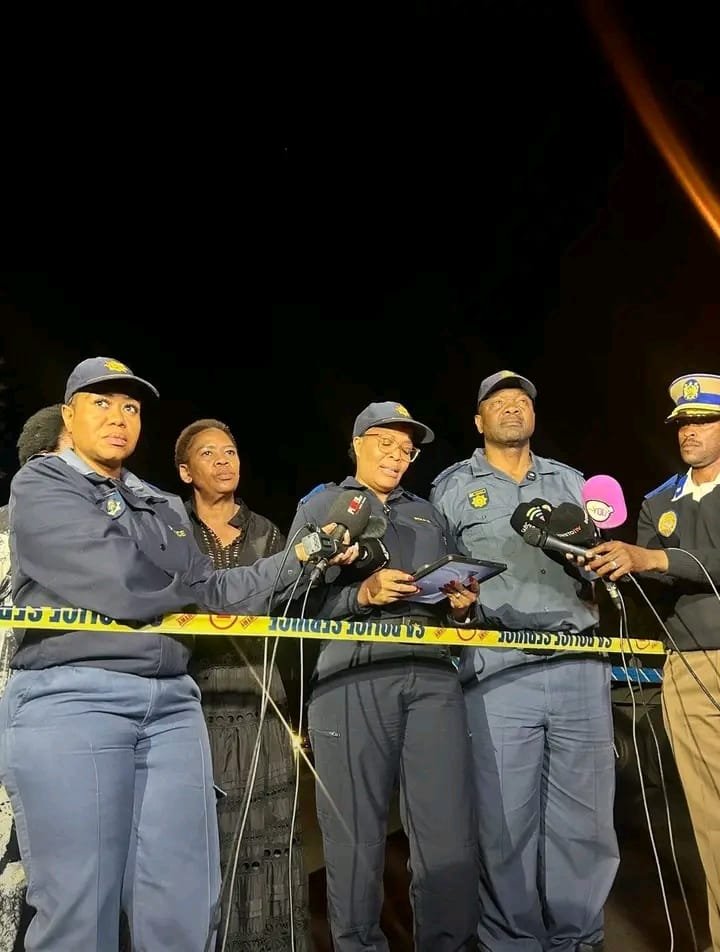
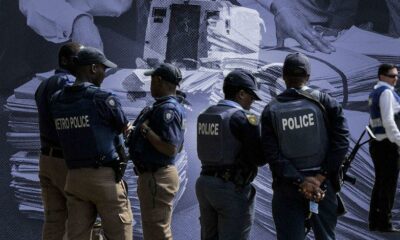
Police have stepped up their presence in Durban and Soweto after 23 vehicles were torched during protests, with authorities remaining on alert for further unrest.
The demonstrations have been linked to tensions surrounding South Africa’s asylum process and a recent Constitutional Court judgment affecting access to the asylum determination system.
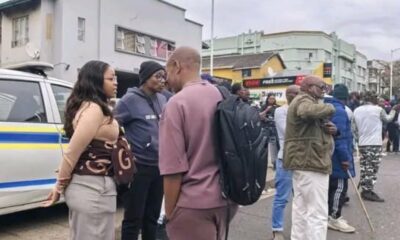
On Friday morning, Dr Pixley kaSeme Street in Durban’s central business district was open to traffic as workers made their way into the city. In Soweto, hundreds of people were reportedly queuing outside the Department of Home Affairs office in Orlando East.
Police have warned that violence, attacks on people and the destruction of property will not be tolerated.
Police warn against further violence
Acting national police commissioner Lieutenant General Puleng Dimpane said officers would continue pursuing those suspected of involvement in the destruction of property.
Dimpane said police would identify and investigate those responsible, with arrests to follow where sufficient evidence exists.
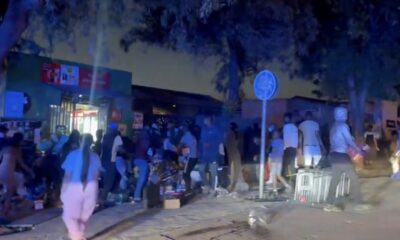
The police response comes after vehicles were set alight in both Durban and Soweto, while buildings in Durban were also reportedly damaged by fire.
Authorities have maintained a visible presence as they monitor the situation and prepare for the possibility of further demonstrations.
What happened during the Durban protests?
KwaZulu-Natal police spokesperson Colonel Robert Netshiunda said Public Order Police and other units were monitoring the Durban CBD alongside metro police and additional law enforcement agencies.
According to Netshiunda, a group that had participated in a march against gender-based violence reportedly moved along Dr Pixley kaSeme Street after the march ended, intending to join another group gathered near the Home Affairs offices.
Police were told that one of the people in the group had allegedly been assaulted by a foreign national and suffered a broken leg. The circumstances surrounding the reported assault were not immediately clear.
Netshiunda said anger following the incident escalated into violence, during which 14 vehicles were set alight.
Three foreign nationals were arrested in connection with the alleged assault, according to police.
A lodge building and a warehouse were also partially burnt, although the fires were reportedly extinguished.
The circumstances surrounding the incident and the full extent of the damage remain subject to investigation.
Nine vehicles torched in Soweto
In Soweto, nine vehicles were reportedly set alight near the Department of Home Affairs offices.
Johannesburg Metropolitan Police Department spokesperson Superintendent Xolani Fihla said clashes between South Africans and foreign nationals had contributed to the unrest.
Authorities were also investigating allegations that shots had been fired at South African protesters before the vehicles were torched.
Fihla reported no injuries at the time of his update, although the situation remained tense.
The incidents in Durban and Soweto bring the reported number of torched vehicles to 23.
ANC condemns violence and warns against xenophobia
The African National Congress in KwaZulu-Natal condemned the violence, saying the protest had been organised in response to dissatisfaction with the Constitutional Court judgment and pressure on refugee reception services.
ANC provincial spokesperson Sifiso Sonjica said the demonstrations had escalated beyond peaceful protest.
He alleged that asylum seekers had been driven from queues using sticks and sjamboks, while shops and buildings were vandalised and people were assaulted because of their perceived nationality or appearance.
Sonjica also said there were reports that at least one person had been shot.
These claims form part of the broader allegations surrounding the unrest and should be distinguished from details independently confirmed by police.
Sonjica argued that disagreement with a court ruling should not be used to direct public anger towards the government or particular communities.
He also urged residents to be cautious about misinformation and misleading interpretations of the Constitutional Court judgment.
Why the asylum ruling has sparked tensions
The protests follow a Constitutional Court judgment that expanded access to the asylum determination process.
The ruling has had operational consequences for refugee reception offices, which have reportedly experienced a significant increase in people seeking to lodge asylum applications.
On Wednesday evening, an Inter-Ministerial Committee on Migration outlined measures aimed at strengthening South Africa’s asylum system and broader migration management following the judgment.
The developments have brought renewed attention to the capacity of refugee reception facilities and the challenges facing the country’s immigration system.
However, political disagreement over asylum policy does not justify violence, attacks on individuals or the destruction of property.
Residents urged to remain vigilant
Sonjica called on people in KwaZulu-Natal to reject efforts to turn communities against one another and warned against the spread of fake news.
Police, meanwhile, have said they will continue monitoring Durban and Soweto as they investigate the incidents and work to prevent further violence.
With tensions still being assessed, residents are urged to rely on verified updates from authorities and avoid spreading unconfirmed claims about the protests.
Follow Joburg ETC on Facebook, Twitter, TikTok and Instagram
For more News in Johannesburg, visit joburgetc.com
Source: IOL