News
Western Cape gangs recruiting children before high school, warns ex-leader
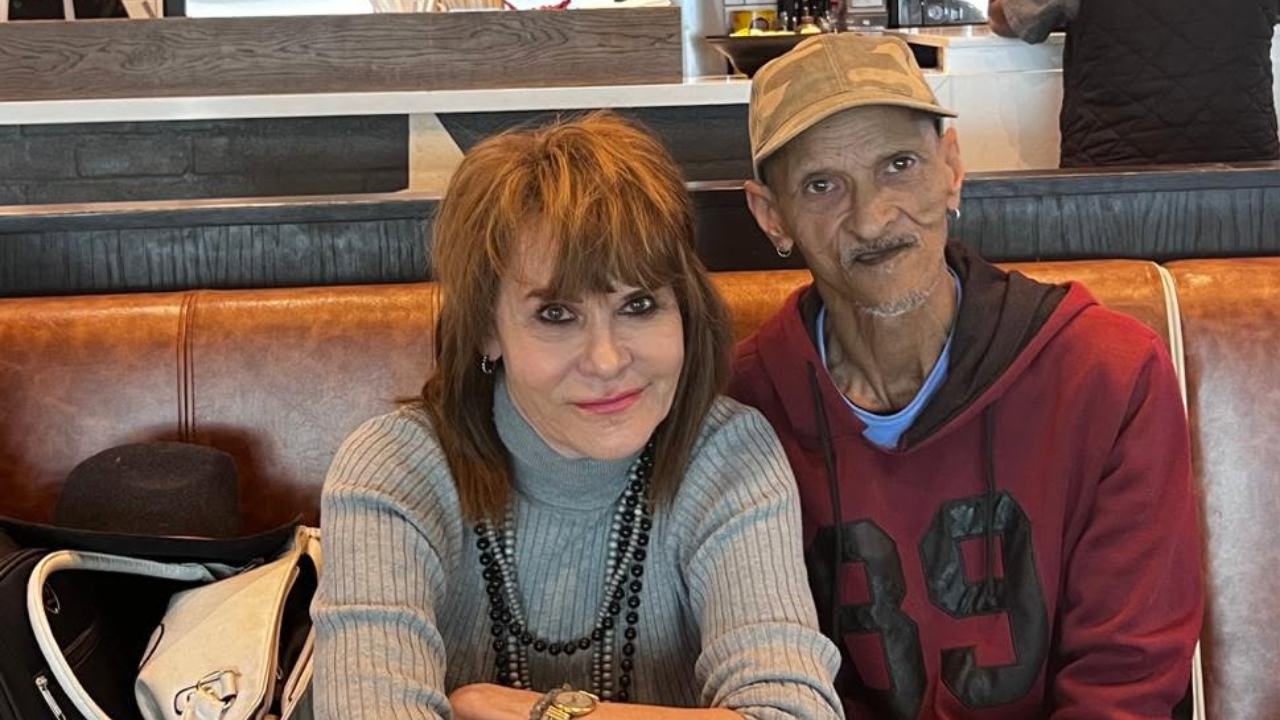
Children are being drawn into gang activity in the Western Cape long before they reach high school, with playground bullying, fighting and violence potentially becoming the first steps towards a life of crime.
That is the warning from Magadien Wentzel, a former leader of the notorious 28s prison gang, who says criminal groups are increasingly targeting children who are below the age of criminal responsibility and have no criminal records.
His warning is particularly chilling: a human life can allegedly be taken for as little as R2 000 and a few drugs.
Wentzel, whose life story was documented in Jonny Steinberg’s acclaimed book The Number, is now working with Khulisa Social Solutions, advising the organisation on its efforts to prevent young people in the Western Cape from becoming involved in gangsterism.
Having spent 25 years behind bars, he believes the fight against gangs needs to begin much earlier than the traditional criminal justice system allows.
Gang recruitment can start in primary school
According to Wentzel, gang recruitment is not necessarily an overnight decision. Instead, it can develop through a series of behavioural patterns that begin during childhood.
He identifies bullying, playground fights and stone-throwing as early warning signs that can gradually lead children towards gang involvement.
By targeting children who have not yet reached the age of criminal responsibility, gangs can draw them into criminal activities while they have no previous criminal record.
Wentzel believes schools should become an important part of preventing this cycle.
He is calling for programmes in pre-schools and primary schools that encourage children to understand themselves and express their experiences through creative activities such as writing, poetry, drawing, rap and dance.
For older learners in Grades 8 to 10, he recommends structured interventions that also involve parents.
His message is that preventing gangsterism requires consistency rather than once-off awareness campaigns.
Using storytelling and support to break the cycle
Wentzel wants two programmes, Silence the Violence and Mirror, introduced more widely in schools.
Khulisa Social Solutions has experience with Silence the Violence, having piloted the programme more than two decades ago with gang members across South Africa, including people serving life sentences.
The psychosocial intervention focuses on helping participants understand the childhood experiences and trauma that can contribute to violent behaviour.
However, the organisation stresses that meaningful change requires continued support beyond initial workshops.
Participants need ongoing psychosocial assistance and structured support groups to help them confront harmful behaviours and develop healthier ways of responding to conflict.
Khulisa’s restorative justice work in the Western Cape follows a similar approach, focusing on early intervention, family support and collaboration with community organisations.
Its initiatives receive funding from the Department of Social Development, international donors and universities.
Khulisa founder and managing director Lesley Ann van Selm says Wentzel’s experiences have provided valuable insight into the realities of gang life and the importance of giving children alternatives before criminal behaviour becomes entrenched.
From prison gang leader to youth mentor
Wentzel’s involvement in rehabilitation work follows a difficult personal journey.
He spent 25 years in prison and eventually walked away from the 28s gang in 1999, while still incarcerated. The decision put his life at risk.
His story attracted wider attention through Steinberg’s The Number, which documented his experiences and life inside the prison gang system.
More than 20 years ago, Van Selm read the book and became interested in finding its subject. Their connection eventually led to Wentzel travelling to Johannesburg to meet her and become involved in Khulisa’s work.
He initially struggled to understand why an organisation would offer him an opportunity after his criminal past.
However, the relationship opened the door to a different future.
Since then, Wentzel has worked on programmes supporting people preparing for release from prison, established his own youth organisation, the Stallions, and researched gangsterism and drug use in schools.
He has also spoken to learners in coloured communities and supported homeless people through Khulisa’s Streetscapes initiative, which includes supervising a community garden.
Despite facing public criticism over comments he made during a television interview about prison gang violence, Khulisa continued supporting his rehabilitation and community involvement.
Why early intervention matters in the Western Cape
The warning comes against the backdrop of ongoing concerns about gangsterism and youth violence in communities across the Western Cape.
Wentzel’s perspective offers a different way of looking at the problem: instead of waiting until children become involved in serious crime, communities need to recognise the warning signs much earlier.
That means parents, teachers, schools and community organisations all have a role to play in identifying vulnerable children and providing support.
For Wentzel, his own transformation is proof that a person’s past does not have to determine their future.
He now describes himself as an ex-gang leader, a loving father and grandfather, and someone who wants to be a good neighbour.
His journey also explains why he is so committed to helping young people avoid the path he once followed.
Be the first to know – Join our WhatsApp Channel for content worth tapping into! Click here to join!
Follow Joburg ETC on Facebook, Twitter, TikTok and Instagram
For more News in Johannesburg, visit joburgetc.com
Picture: Khulisa Social Solutions / Facebook