News
Ekurhuleni murders renew calls for early GBV education and justice reform
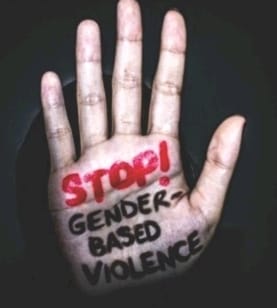
Ekurhuleni murders fuel calls for early GBV education
The murders of at least 12 women in Ekurhuleni over the past three months have renewed calls for South Africa to tackle gender-based violence (GBV) before it turns deadly, with a crime prevention organisation urging schools, communities and the justice system to work together.
The deaths, reported in areas including Kempton Park, Tembisa, Springs and Dawn Park, have sparked public outrage and protests. The circumstances have also fuelled fears that a serial offender could be responsible, although this has not been established.
With no arrests reported in connection with the cases covered in the source report, pressure is mounting for an effective response.
Zizamele Cebekhulu-Makhaza, chair of the Safer South Africa Foundation and a former president of the Police and Prisons Civil Rights Union (POPCRU), said the responsibility for tackling GBV could not rest with police alone.
He argued that communities, mental health professionals, prosecutors and the judiciary all had a role to play in preventing violence and holding offenders accountable.
Criminal justice system needs to work together
Cebekhulu-Makhaza criticised what he described as a fragmented approach among the South African Police Service, the justice system, the National Prosecuting Authority and correctional services.
He said better coordination could improve investigations, the monitoring of offenders in prison and the information available to authorities about crime and repeat offending.
He also questioned the focus on crime statistics that count reported incidents without providing a fuller picture of convictions, behaviour after sentencing and successful reintegration into society.
For Cebekhulu-Makhaza, preventing violence requires more than responding after a crime has been committed.
He said social problems that contribute to criminal behaviour must be addressed early, with prevention forming a central part of the country’s response to GBV.
Safer South Africa Foundation targets schools
The Safer South Africa Foundation was established through POPCRU’s initiative to address crime beyond conventional policing.
The organisation runs school-based programmes across the country, educating pupils about crime, criminal behaviour and the workings of the criminal justice system.
Cebekhulu-Makhaza said the foundation was planning to incorporate GBV education into these initiatives, helping children understand from an early age that violence against women is unacceptable.
Former national police commissioner and foundation CEO Ria Phiyega said the organisation targets schools in crime hotspots across all nine provinces.
Parents are also invited to participate, giving them an opportunity to better understand their children’s behaviour and become involved in prevention efforts.
The programmes expose pupils to how the criminal justice system operates and what happens when people commit offences.
The foundation has also encouraged schools to test food sold on their premises for possible drug contamination or poisoning as a preventative measure.
Why prevention must start before violence occurs
Cebekhulu-Makhaza argued that too much attention is directed at offenders after they have already committed crimes, rather than identifying ways to prevent criminal behaviour from developing.
He also questioned whether employing security guards at schools would address the deeper causes of violence, describing that approach as reactive.
Instead, he called for greater awareness of the law among learners, parents and communities, alongside programmes that encourage people to recognise and address harmful behaviour.
The approach places emphasis on education, early intervention and cooperation between families, schools and public institutions.
Call for government to adopt prevention strategy
POPCRU has called on the national government to adopt the foundation’s crime prevention strategy and place education at the centre of efforts to address GBV and other forms of criminality.
The union has presented the programme to government, arguing that schools and communities can play a greater role in preventing crime before it escalates.
The recent killings in Ekurhuleni have intensified calls for urgent action, but Cebekhulu-Makhaza’s argument is that lasting change will require more than investigations and arrests.
Alongside efforts to identify those responsible for the murders, he believes South Africa must strengthen its criminal justice system and invest in early education to challenge violence before more lives are lost.
Follow Joburg ETC on Facebook, Twitter, TikTok and Instagram
For more News in Johannesburg, visit joburgetc.com
Source: The Citizen