News
Jacob Zuma’s possible absence raises questions about MK party’s future
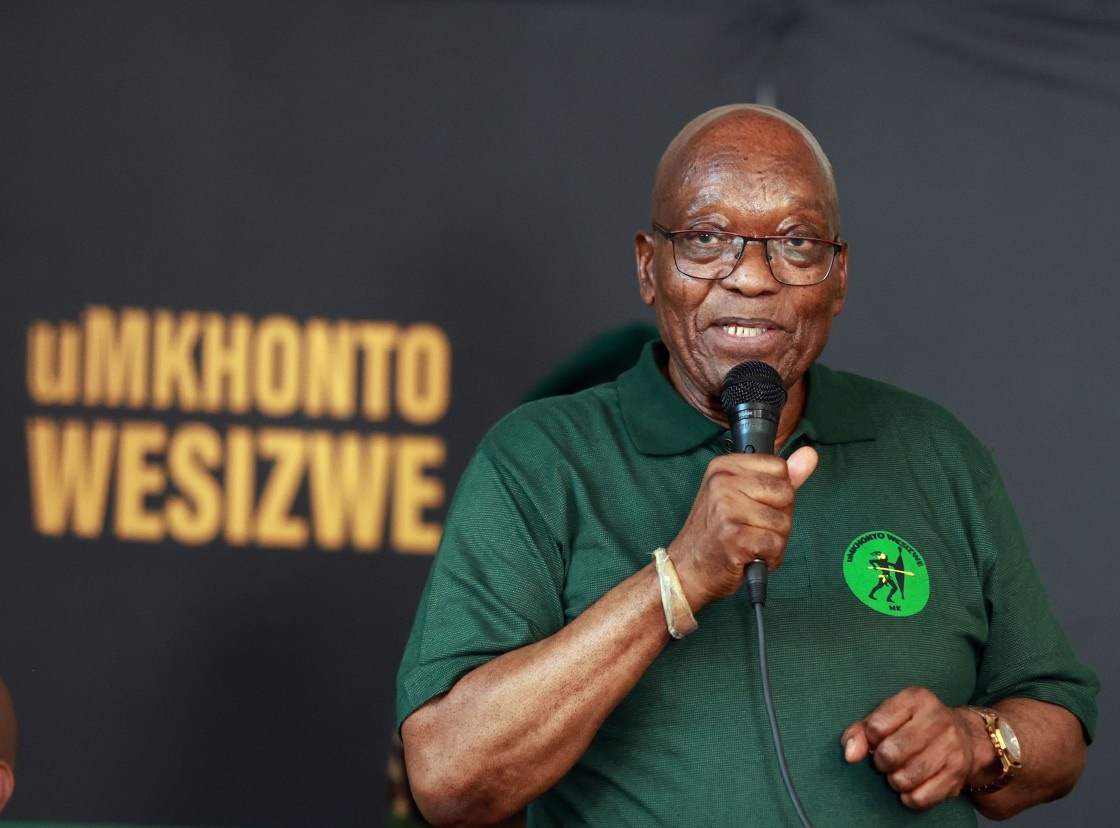
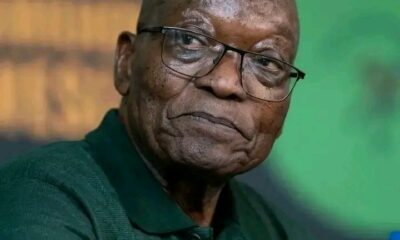
Questions about Jacob Zuma’s health have sparked fresh debate over the future of the uMkhonto weSizwe (MK) party, with political analysts warning that the former president’s prolonged absence from public life could test the movement’s leadership and electoral strength.
Reports citing sources close to the 84-year-old party leader have described his condition as “very critical”, with claims that he is receiving treatment at Netcare St Anne’s Hospital in Pietermaritzburg.
However, the reports have not been confirmed by the hospital, Zuma’s family or senior MK party officials. The party has previously maintained that Zuma is in good health following a routine medical examination.
The uncertainty comes less than a month before the local government elections, placing renewed attention on a party whose rapid rise has been closely associated with Zuma’s personal popularity and political influence.
What would happen to the MK party without Zuma?
Political analyst and North-West University professor André Duvenhage believes Zuma’s possible absence could have significant consequences for the party and the broader political landscape.
Duvenhage cautioned that the seriousness of Zuma’s condition remained unclear, but said his interpretation of the political environment suggested the situation could be more serious than publicly acknowledged.
He described Zuma as one of South Africa’s most influential political figures, arguing that his popularity extends well beyond his former position as president.
That personal influence has been central to the MK party’s emergence as a major political force, particularly in KwaZulu-Natal.
For the party, the challenge would be how to maintain support, reassure its membership and manage its leadership structures if Zuma were unable to campaign or participate actively in political affairs.
A party built around its founder
The MK party made a dramatic entrance into electoral politics during the 2024 national and provincial elections, reshaping the political contest in KwaZulu-Natal.
Zuma’s involvement helped the newly formed movement attract supporters, including voters who had become disillusioned with the African National Congress (ANC).
Duvenhage said Zuma remained closely associated with the party’s identity and appeal, making its future particularly uncertain if he were to leave active politics.
He also pointed to internal instability, including repeated changes in the party’s secretary-general position and ongoing leadership disputes.
“We know that the MK party, as a party, is in trouble. There are a lot of problems,” Duvenhage said.
He warned that these internal challenges could become more difficult to manage if Zuma were no longer able to provide the political leadership around which the movement has organised itself.
Could the ANC and IFP benefit?
Zuma’s possible absence could also affect the balance of political power in KwaZulu-Natal, where the MK party, ANC and Inkatha Freedom Party (IFP) compete for support.
Duvenhage believes the departure of such an influential figure from active politics would create a significant gap that other parties could seek to fill.
The ANC could potentially benefit if some former supporters reconsidered their political loyalties, while the IFP could also find opportunities in areas where the contest for votes remains closely fought.
However, the extent of any shift would depend on several factors, including the MK party’s ability to establish a stable leadership structure, retain Zuma’s supporters and present a credible campaign without his direct involvement.
The impact would not necessarily be limited to KwaZulu-Natal, given the party’s broader national ambitions.
MK party maintains Zuma is healthy
Despite the reports about his condition, the MK party has previously rejected claims that Zuma is seriously ill.
Party spokesperson Sifiso Mahlangu said the former president completed a routine medical check-up on Wednesday, 7 October 2026.
“The president gets a full routine check-up twice a year. We hereby confirm that he is healthy and in good spirits. His campaign programme will continue accordingly,” Mahlangu said.
He did not provide further details about the examination or directly address reports surrounding Zuma’s reported hospital visit.
The latest speculation has also revived memories of Zuma’s 2023 trip to Moscow, Russia, for treatment of an undisclosed illness.
At the time of publication, no further official update had been issued by Zuma’s family, senior MK party officials or the Jacob Zuma Foundation. Hospital authorities had also not publicly commented on the latest reports.
The Citizen said it had contacted the relevant parties for comment.
Zuma’s health leaves political questions unanswered
For now, Zuma’s reported condition remains unconfirmed, and the MK party continues to face questions about its leadership and internal stability.
The distinction between the reports about his health and the party’s official position is important. Without confirmation, the political consequences remain hypothetical rather than an established outcome.
Nevertheless, Zuma’s central role in the movement means any prolonged absence could place pressure on the party at a critical point in its development.
As the local government elections approach, the question is not only whether the MK party can maintain its momentum without its founder on the campaign trail, but also whether it can build a political structure capable of sustaining its influence beyond one individual.
Follow Joburg ETC on Facebook, Twitter, TikTok and Instagram
For more News in Johannesburg, visit joburgetc.com
Source: The Citizen