News
Baloyi urges tighter financial controls to revive Johannesburg
Bongani Baloyi urges Johannesburg to tighten financial controls, cut water and power losses and recover unpaid accounts to stabilise services.
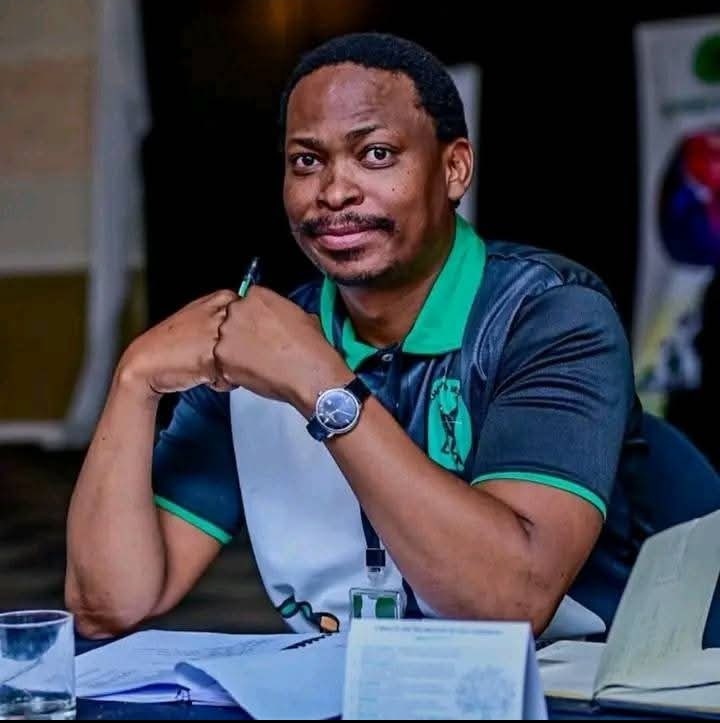
Where and when he spoke
According to IOL (Independent Online), Baloyi was speaking during the second debate of IOL’s four-day Town Hall Debates, running from October 19 to 22, which brought together mayoral candidates from large metropolitan municipalities.
What Baloyi proposed
Baloyi called for across the municipality, arguing that stabilising the city’s books is essential to restoring reliable services amid rising unemployment and higher living costs. He urged an attitude change in how municipal resources are managed and the implementation of a tougher set of fiscal austerity measures so money is not diverted to projects that do not deliver services.
“There has to be a change of attitude towards how we manage the limited resources of the city, and how we implement a stricter level of fiscal austerity measures to ensure that we don’t spend on non-important or non-service-related projects,” Baloyi said.
Concrete areas of focus
Baloyi highlighted several specific priorities he believes must be addressed to unlock funding for essential services:
- Reduce water and electricity losses: He said the city loses more than 40% of water through infrastructure failures before services reach consumers, a drain on revenue and supply.
- Aggressive revenue recovery: He singled out the Johannesburg central business district, where he said more than 500 buildings posed a collection challenge because of unpaid municipal accounts.
- Municipal entity reform: He proposed reintegrating some municipal entities into city departments while allowing entities that can raise bonds and loans and show sound financial performance to remain independent.
- Targeted relief and alternative supply models: He suggested introducing social tariffs and exploring microgrids to transform townships into local electricity generation zones, reducing reliance on external suppliers such as Eskom and City Power.
Context: the debate’s focus
According to IOL (Independent Online), the Johannesburg debate focused on the city’s financial challenges, including irregular expenditure, weak accountability, deteriorating infrastructure and poor revenue collection. Candidates were asked to respond to these intersecting problems and to outline how they would halt financial leakage and restore basic services.
Audit findings and the scale of the problem
The city’s recent audit record and expenditure figures were raised repeatedly during the debate. The Auditor‑General reported an unqualified audit opinion with findings for the 11th consecutive year in the 2024/25 financial year, with the following reported figures presented at a parliamentary briefing:
- R3.69 billion in irregular expenditure
- R2.38 billion in unauthorised expenditure
- R943 million in fruitless and wasteful expenditure
The Auditor‑General’s Gauteng business unit leader also warned that nearly 80% of Johannesburg’s municipal entities had remained in an amber assurance category for several years, heightening concern about procurement, internal controls and infrastructure spending.
Other candidates’ responses
Incumbent ANC mayoral candidate Dada Morero defended the city’s financial turnaround strategy and said that external institutions such as National Treasury had recognised the approach. Morero rejected claims that employee costs were excessive, saying the city employed about 39,000 people and that employee-related costs accounted for around 20% of the budget. He also noted the city had allocated about R8.9 billion to capital expenditure and that the maintenance budget had been increased for 2026 and 2027. Morero acknowledged corruption remained a problem and said some cases had been referred to the Special Investigating Unit.
Other candidates used the platform to press for system-level fixes: Build One South Africa proposed raising the share of revenue spent on infrastructure; ActionSA suggested a skills audit of finance staff and stronger oversight committees; the EFF emphasised procurement transparency and targeted relief for working-class residents; and Rise Mzansi focused on faster procurement and better property valuations. Several candidates questioned the number and structure of municipal entities and urged a reassessment of duplicated functions and bureaucracy.
Why these proposals matter to residents
From a resident’s perspective, tightening financial management and improving revenue collection are tied directly to whether basic services arrive on time. Lost water through leaks, failing electricity infrastructure and a backlog in maintenance reduce availability and raise costs. Recovering unpaid accounts and stopping wasteful spending would free resources for repairs, maintenance and targeted service improvements.
General reforms to procurement, auditing and municipal governancemeasures discussed across the debateare aimed at reducing opportunities for corruption and ensuring that capital allocated for infrastructure is spent on projects that deliver. That, proponents argue, should help restore functioning traffic lights, reliable water supply and safer, better-maintained public spaces.
What comes next
The IOL Town Hall Debates provided a public forum for mayoral candidates to set out competing visions for how Johannesburg should tackle its fiscal crisis. Voters will hear how these proposals translate into policy and budgets as campaigns progress and as municipal leaders respond to audit findings and ongoing service challenges.
Baloyi’s call for stricter fiscal controls, reduced utility losses and aggressive revenue recovery sets a clear benchmark against which voters can measure alternative proposals on financial repair and service restoration.
Follow Joburg ETC on Facebook, Twitter, TikTok and Instagram
For more News in Johannesburg, visit joburgetc.com
Source: iol.co.za