News
Tshwane warning: Do not use tap water in five communities after contamination
Tshwane authorities warn residents in five communities not to use tap water after contamination that left 408 people ill. Boiling won’t make it safe.
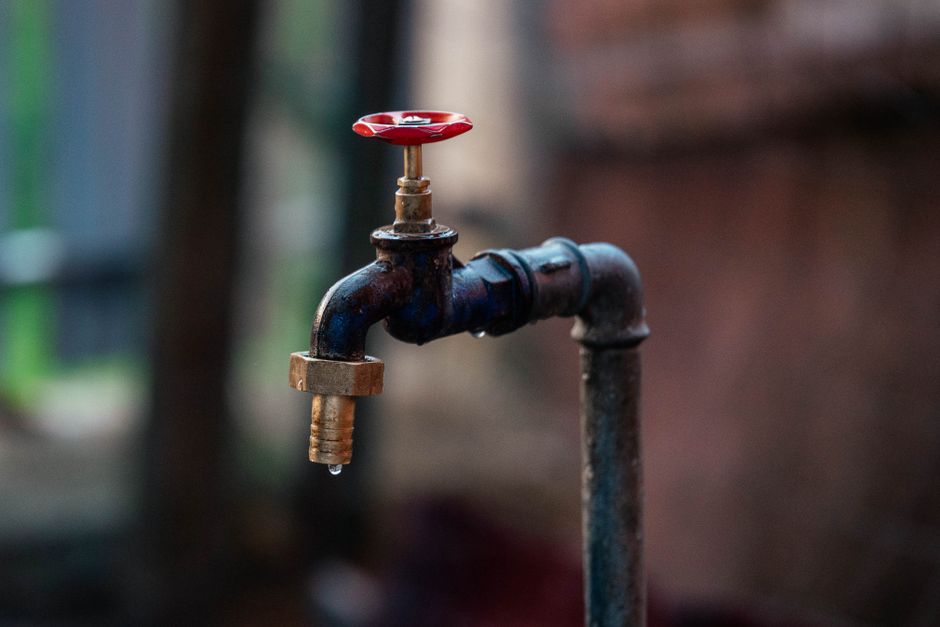
Authorities have ordered residents in five Tshwane communities not to use tap water after contamination traced to the Bronkhorstspruit Water Treatment Works left hundreds ill. The advisory remained in place on Tuesday, 20 October, as government probes failures at the treatment plant and emergency measures continue.
Who is affected and what residents must avoid
The official warning covers five communities in Tshwane’s Region 7. Residents in Bronkhorstspruit, Zithobeni, Dark City, Rethabiseng and Sokhulumi have been told not to use their tap water for routine household purposes.
The government specifically advised that the affected water must not be used for:
- drinking
- cooking
- bathing
- brushing teeth
- washing clothes
Boiling the water will not make it safe under the current advisory; the only permissible use of the affected supply is to flush toilets.
How the contamination was discovered
Investigators found that the City of Tshwane failed to chlorinate water supplied from the Bronkhorstspruit Water Treatment Works between 24 September and 14 October. During that period, the plant gave customers untreated water without warning them.
The treatment plant draws from the Bronkhorstspruit River. Authorities said the river receives sewage from malfunctioning wastewater infrastructure, and tests taken on 14 October detected extremely high levels of E. coli and total coliform bacteria in water sampled from the treatment works and nearby reservoirs.
Investigators also reported that the municipality did not warn residents about the unsafe supply while the problem persisted.
Health impact so far
Health services recorded 408 cases of gastrointestinal illness between 7 and 18 October. Patients presented with diarrhoea and stomach cramps and were treated at Bronkhorstspruit Hospital and nearby clinics. Authorities said children under four account for most of the reported illnesses.
Laboratory testing of patient samples by the National Institute for Communicable Diseases identified norovirus, Campylobacter and Shigella. Tests did not find cholera bacteria in the samples examined. By Monday evening there had been no recorded deaths connected to the outbreak.
Immediate response by government and municipality
Water and Sanitation Minister Pemmy Majodina confirmed that untreated water was supplied without warning and outlined actions taken since the contamination was detected. The City of Tshwane restored chlorine supplies on 15 October and reopened the treatment plant on 16 October, but authorities have not yet declared the water safe to drink.
The municipality deployed emergency water tankers to provide alternative water to affected communities and plans to increase the fleet to 36 tankers. The Water Research Commission has been engaged to conduct independent water tests and an investigation into the contamination.
The government said it expects the investigation report by 28 October. Officials have urged local residents to follow the advisory until tests confirm safety.
Practical steps for residents in the affected areas
Authorities advised practical precautions for households in the affected communities. Residents were urged to:
- discard previously stored tap water
- disinfect containers used to store water
- seek medical attention if they experience symptoms
These measures reflect the immediate public-health priority: prevent further exposure to contaminated water and ensure symptomatic people receive care.
What the tests showed and what remains under investigation
Water sampling on 14 October showed very high bacterial contamination at the treatment works and nearby reservoirs. The presence of multiple pathogens in clinical samples demonstrates that the contamination affected people’s health and required an urgent response.
The Water Research Commission’s independent testing and the government’s inquiry are intended to clarify the sequence of failures and to inform when tap water can be declared safe again. Officials have said the report is expected by 28 October.
Why this matters and what to watch for next
Safe drinking water is a foundational public-service obligation. A breakdown in treatment and delayed warnings can expose vulnerable groups, particularly young children, to illness. The current advisory affects daily routines including cooking, bathing and laundry, and has already led to hundreds seeking treatment.
Residents in the named communities should monitor official updates from the City of Tshwane, health services and the Water Research Commission. Authorities will need to confirm through testing that treatment and distribution systems are functioning correctly before lifting the advisory.
General context on water advisories
When authorities issue a do-not-use advisory they typically base it on test results showing contamination and on the status of treatment systems. Public advisories remain until samples meet safety standards and treatment processes are reliably restored. Emergency measures such as tanker deliveries and independent testing are commonly used while investigations and remedial work continue.
For now, the key facts are clear: do not use tap water for consumption, cooking, bathing or washing in Bronkhorstspruit, Zithobeni, Dark City, Rethabiseng and Sokhulumi; boiling will not make the water safe under the present advisory; and health authorities have recorded hundreds of illnesses linked to the contamination. Residents should follow municipal instructions and seek medical care if they or their children develop symptoms.
Follow Joburg ETC on Facebook, Twitter, TikTok and Instagram
For more News in Johannesburg, visit joburgetc.com
Source: thesouthafrican.com