News
Understanding the Halaal Food Debate in South Africa: Unpacking the Facts Behind the Trend
Discover the facts behind South Africa’s viral halaal food debate. Learn what halaal means, why it’s widespread, and how certification works in daily groceries.
Halaal Food Sparks Lively Debate Across South Africa
A recent viral TikTok video has ignited extensive discussion about the prevalence of halaal food in South Africa, prompting public curiosity about why so many products carry halaal certification and what this means for consumers of different faiths. The conversation, both online and offline, has highlighted questions surrounding religious dietary requirements, food certification, and the inclusivity of food production in South African society.
What Exactly Does Halaal Mean?
Halaal, an Arabic term meaning “permissible” or “lawful,” refers to what is allowed under Islamic law. Within the context of food and drink, halaal defines the ingredients, preparation, and processing that meet Islamic dietary standards.
- Certain foods are expressly prohibited, such as pork and alcohol, while other types of meat must comply with particular sourcing and slaughter requirements.
- Slaughtering practices are critical: The animal must be healthy, slaughtered in a prescribed humane manner with a sharp knife, and the name of Allah invoked during the process. It is not equivalent to a sacrifice in a religious ceremony.
- Hygiene and sanitation standards are strictly enforced in halaal slaughter and food handling.
- Consuming blood is strictly forbidden, so the animal’s blood must be fully drained.
Halaal food extends far beyond meat, including grains, fruits, vegetables, and processed foods. In many cases, these non-meat foods are naturally permissible under Islamic law.
Purpose and Process of Halaal Certification
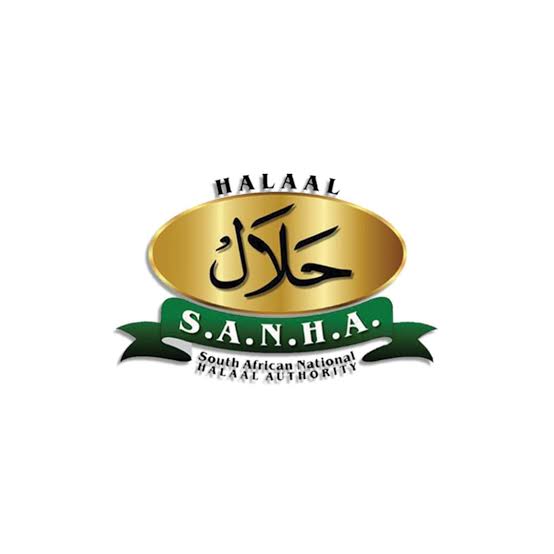
The purpose of halaal certification is to provide Muslim consumers with assurance that food products, production processes, or outlets comply with Islamic dietary requirements. Certification is managed by organisations such as the South African National Halaal Authority (SANHA), which conducts monitoring and audits to ensure standards are met. This process examines ingredients, preparation methods, supplier chains, and the risk of cross-contamination with forbidden substances.
The certification can apply broadlynot only to specific products but also to restaurants, manufacturing systems, and even fresh produce. While naturally permissible foods like vegetables or water do not require specific rituals, formal certification helps consumers make informed choices and protects against inadvertent non-compliance, especially with processed or manufactured foods where ingredient sources may be less clear.
Why Are Everyday Groceries and Vegetables Halaal-Certified?
One concern raised in the viral video is the prevalence of halaal logos on staple foods, including basic groceries and vegetables. The presence of a halaal logo on such items does not signify that these foods have undergone any religious ceremony or animal slaughter. Rather, it serves to guarantee that from processing to packaging, no cross-contamination or inclusion of prohibited substances has occurred.
Halaal certification can extend to plant-based and processed products, ensuring no non-compliant ingredients are present even when such foods are naturally permissible.
The formal branding simply gives additional confidence to Muslim consumers about the product’s suitability. For instance, in manufacturing, even plant-based foods may come into contact with or contain flavourings or additives of unknown origin. Certification standards thus review and verify these aspects thoroughly.
Common Misconceptions: Sacrifice and Religious Rituals
Some confusion persists about the meaning of halaal certification, with concerns that it implies all certified foods are “sacrificed” to Allah. This is inaccurate. In practice, only specific requirements pertain to the preparation of meat, and even then, the religious act is intended as a blessing during humane slaughter, not a sacrifice. Other food groups, including grains, fruits, and vegetables, do not entail any ritual act.
“The purpose of certification is to establish whether the product or process meets the applicable halaal requirements. It has everything to do with peace of mind for Muslim consumers and nothing to do with affecting the religious beliefs of the person who buys or consumes it.”
Why Halaal Certification Is Widespread in South Africa
Halaal certification has become common for a variety of reasons. Ensuring food is accessible and safely consumable by all parts of South Africa’s diverse population forms a key part of many businesses’ strategy to serve a wide market. Applying for certification allows food producers and restaurants to cater to Muslim consumers and, by extension, increase trust and inclusivity in their offerings.
Certification is voluntary; food businesses often choose this route to gain a broader customer base. While some may feel that this caters to a religious minority, from a business perspective it can make commercial sense in a multicultural society. Halaal logos on packaging do not alienate those who do not follow Islamic dietary requirements, but simply provide an option and assurance for those who do.
Key Takeaways
- Halaal means permissible in Islam and outlines clear dietary parameters.
- Certification is about transparency and assurance, especially for processed foods.
- Most naturally permissible foods, like fruits and vegetables, do not undergo religious rituals; certification mostly checks for ingredient compliance and safety.
- Halaal-certified food is not “sacrificed” to Allah; this is a misconception limited to certain animal slaughter practices.
- The prevalence of halaal food is largely driven by inclusivity and market considerations, not religious imposition.
Understanding the facts behind halaal food helps foster mutual respect and informed decision-making in South Africa’s diverse society. Certification provides peace of mind to those who require it while leaving choice and belief unaffected for everyone else.
Follow Joburg ETC on Facebook, Twitter, TikTok and Instagram
For more News in Johannesburg, visit joburgetc.com
Source: iol.co.za