News
Mbeki’s Missed Opportunity to Address Racism at the Khampepe Commission
Former President Thabo Mbeki refrained from directly addressing racism during his appearance at the Khampepe Commission, sparking debate on leadership and social cohesion.
Mbeki’s Response at the Commission
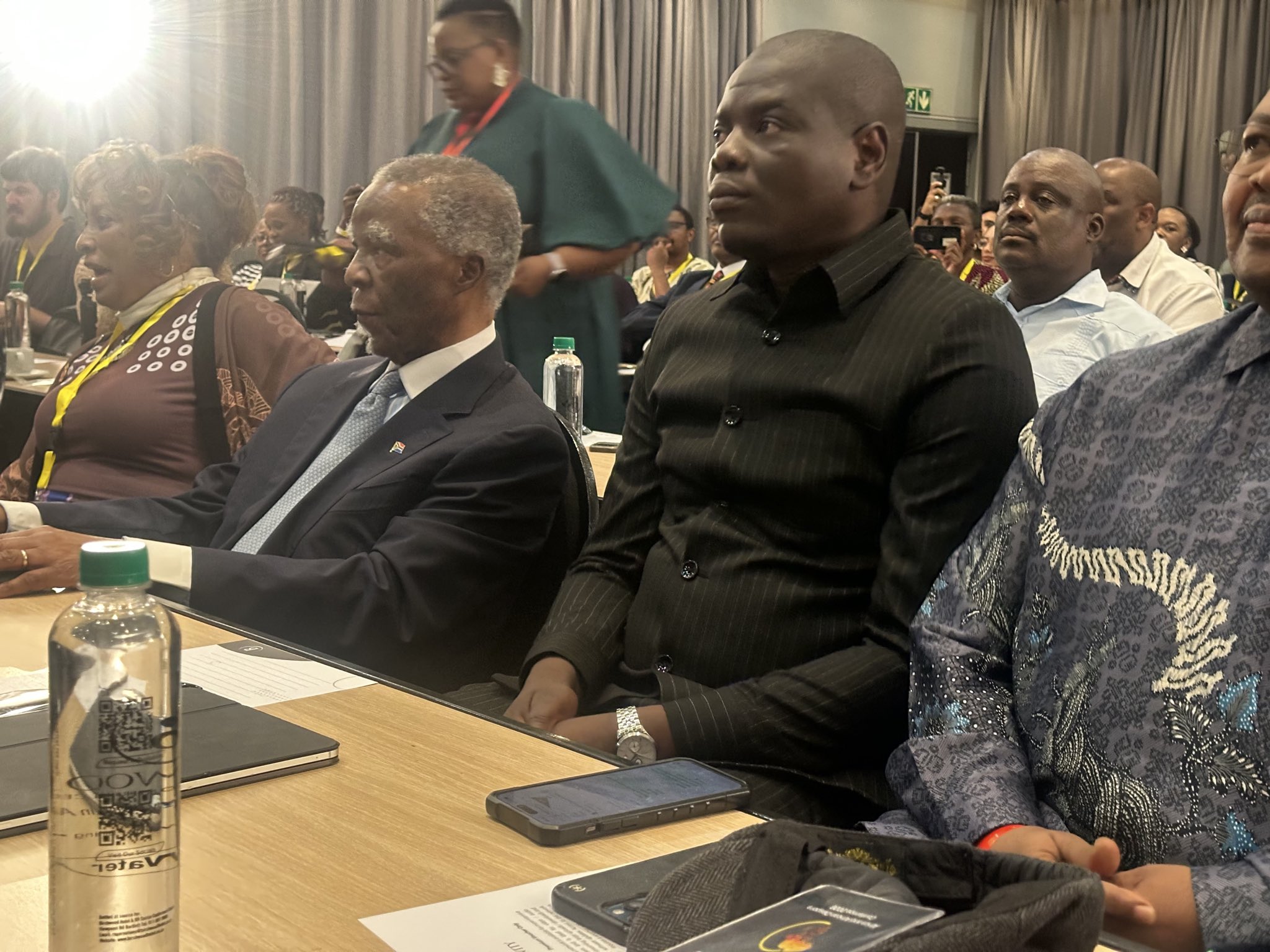
Former President Thabo Mbeki’s recent appearance at the Khampepe Commission of Inquiry into delayed Truth and Reconciliation Commission (TRC) prosecutions ignited debate about the ongoing challenge of racism in South Africa’s democracy. A video clip showing Mbeki firmly responding to Advocate Paul Hoffman was widely shared, with many mistaking it for footage from the Khampepe Commission. In reality, the clip was from Mbeki’s earlier testimony at the Seriti Commission of Inquiry, but its resurfacing underscored persistent issues of racial prejudice within the country’s institutions.
During the commission proceedings, Mbeki publicly confronted what he saw as racial bias in Advocate Hoffman’s questioning, describing it as “condescending” and indicative of a sense of superiority. Mbeki questioned whether anything could be done about this attitude, reflecting broad frustrations among South Africans about the slow pace of social change.
The Lingering Challenge of Racism
In South Africa, honest conversations about racism remain both urgent and challenging. The topic is regularly raised in everyday lifeat family gatherings, social events, in taxis, and on radio talk showsillustrating the widespread impact of racial inequality. Many Black South Africans describe their daily experience as one still marked by white supremacy and prejudice, despite the official end of apartheid decades ago.
Mbeki’s exchange with Hoffman represented a microcosm of the country’s larger struggle with race relations. He commented on Hoffman’s “very superior, very condescending” manner, noting:
“He’s got a particular attitude, very superior, very condescending, and says all of these insulting things. I do hope that we should all of us understand that we are trying to do something about building a new society. And maybe we’ll have to make a special effort to take out of our bloodstream things that have become ingrained.”
Expectations and Leadership
Despite Mbeki’s criticism of condescending attitudes, the moment was bittersweet for some observers. There was a sense that the former Presidenta central figure in the transition to democracy and the fight against apartheidmissed the chance to address racism’s roots more directly. Instead of outlining steps to confront institutional racism, Mbeki expressed uncertainty, telling the commission chairperson, “I don’t know what can be done about it.”
This reluctance touches on a broader pattern among the country’s leadership: an inclination to avoid directly naming and tackling tough issues, which some argue perpetuates the ongoing challenges of inequality and exclusion. While legal frameworks exist to prosecute racism, effects of structural inequality continue to shape daily life for many.
South Africa’s Persistent Inequalities
Mbeki’s tenure as President was marked by economic growth, yet deep divides endured. He often spoke about South Africa’s “two economies”one affluent and white, the other largely Black and disadvantaged. Even with years of democratic governance, bridging this divide has proved difficult, and social cohesion remains elusive for many communities.
The Khampepe Commission’s focus on delayed TRC prosecutions sheds light on the unfinished business of reconciliation and justice. The hope remains for a society where legal and social remedies together create genuine equality, not just on paper, but in tangible everyday experience.
Humanity Amid Tension
Amid heated exchanges, there were moments of shared humanity. When Advocate Hoffman revealed his personal lossthe death of his daughterMbeki showed compassion and empathy. This act of Ubuntu-Botho, the philosophy of interconnectedness and collective care, serves as a reminder of the values many South Africans seek to uphold during difficult discussions on race and justice.
The Road Ahead
The expectation remains that national leaders will use their platforms to address the roots of racism and inequality directly. For a country still grappling with its legacy of division, the duty to speak forthrightly about prejudice and chart a practical path forward is vital. As conversations about social renewal continue in commissions and public spaces alike, the hope endures that leaders and citizens will find ways to transform empathy and insight into action for a truly inclusive future.
Follow Joburg ETC on Facebook, Twitter, TikTok and Instagram
For more News in Johannesburg, visit joburgetc.com
Source: iol.co.za