News
South Africa’s inflation climbs to 5.2% as food and fuel prices rise
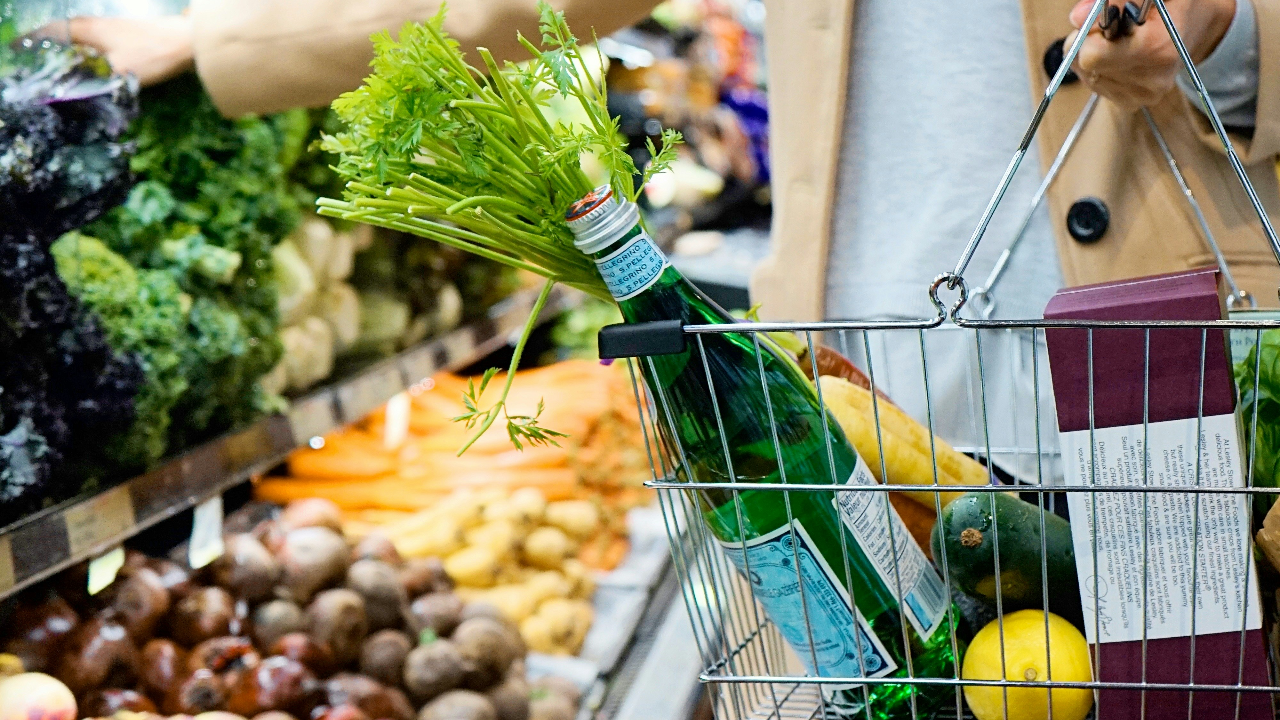
South Africans are facing renewed pressure on their household budgets after annual consumer price inflation climbed to 5.2% in October 2026, marking its highest level in almost two-and-a-half years.
The latest figures from Statistics South Africa (Stats SA) show that inflation increased from 4.5% in September, with the Consumer Price Index (CPI) rising by 0.7% over the month.
October’s reading is the highest since May 2024, when inflation also reached 5.2%.
For households already balancing grocery bills, transport costs and other monthly expenses, the latest increase highlights how quickly changes in essential prices can affect the cost of everyday living.
Rising food prices put pressure on grocery budgets
Food and non-alcoholic beverage inflation increased for the third consecutive month, reaching 1.4% in October.
Vegetables, fish and seafood, as well as sugar and confectionery, were among the categories pushing prices higher.
Vegetable prices recorded some of the most noticeable increases, with annual inflation climbing to 8.1% in October from 3.5% in September.
Onions experienced a particularly sharp increase, becoming 53.6% more expensive over 12 months. Potato prices rose by 14.9%, while cabbage increased by 12.1%.
Tomatoes also recorded a significant monthly jump, rising by 13.2% between September and October.
For shoppers, these increases are particularly noticeable when buying everyday ingredients for home-cooked meals.
Fish prices climb while some staple foods become cheaper
Fish and seafood prices have also continued moving upwards.
Annual inflation in the category reached 8.4% in October, compared with a recent low of 3% in February.
Fish fingers recorded an annual increase of 13.2%, followed by fresh and frozen hake at 11.2%. Battered or crumbed fish became 10.1% more expensive, while canned fish, excluding tuna, increased by 8.2%.
However, not every grocery category experienced an increase.
Cereal products recorded their ninth consecutive month of annual deflation, with prices falling by 2%.
Maize meal was 9% cheaper than a year earlier, while white rice declined by 7.3%. Brown bread prices also edged down by 0.8%.
Meat inflation slowed to 0.2% in October, compared with 0.7% in September.
Some beef products became cheaper, with stewing beef prices dropping by 2.3% between September and October. Compared with October 2025, meat bones were 6.7% cheaper, beef mince declined by 4.5% and beef steak by 4.1%.
These decreases have helped keep overall food inflation relatively low despite rising prices in several other grocery categories.
Fuel prices drive transport inflation higher
Transport costs were another major contributor to October’s inflation increase.
Annual transport inflation reached 15.2%, contributing 2.1 percentage points to the overall headline inflation rate.
Fuel was the biggest driver, with prices increasing by 11.8% between September and October.
Annual fuel inflation surged to 42.9%, up from 27.9% the previous month. This is the highest reading since August 2022, when fuel inflation stood at 43.2%.
The latest figures also reveal how expensive fuel has become compared with previous years.
In October 2026, inland motorists paid R30.251 per litre for 95-octane petrol, while the average diesel price reached R35.622 per litre.
By comparison, petrol cost R26.74 per litre in July 2022, while diesel averaged R26.61.
The highest fuel inflation recorded since 2008 was 56.3% in July 2022, following supply disruptions after the Covid-19 pandemic and the Russia-Ukraine war.
Hotel prices add to the rising cost of living
Accommodation services also recorded a notable increase in October.
Prices in the category rose by 8.1% between September and October, pushing annual inflation to 5.4%.
Hotel rates were the main contributor, increasing by 11.3% over the month.
The latest figures show that inflationary pressure is not limited to groceries and transport, with accommodation costs also moving upwards.
For South Africans planning holidays or overnight stays, the increase adds another expense to consider when managing travel budgets.
October inflation highlights growing household pressures
Although lower prices for cereals and certain meat products have helped moderate food inflation, rising vegetable, seafood and fuel costs continue to affect consumers.
The increase to 5.2% also marks an important shift from September’s reading, bringing inflation back to levels last recorded in May 2024.
With transport accounting for a significant share of the latest increase, motorists and households reliant on daily travel are among those likely to feel the pressure.
Be the first to know – Join our WhatsApp Channel for content worth tapping into! Click here to join!
Follow Joburg ETC on Facebook, Twitter, TikTok and Instagram
For more News in Johannesburg, visit joburgetc.com