News
Hijackings in South Africa are shifting to weekday afternoons and evenings
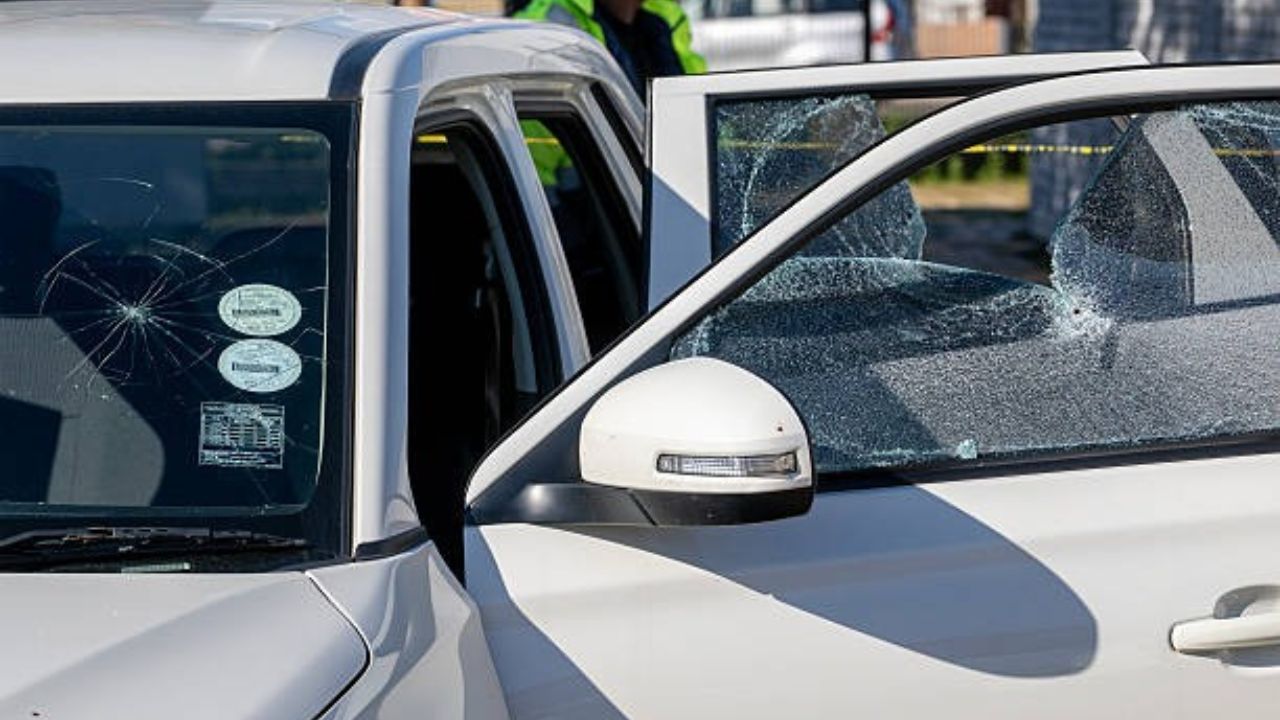
Vehicle hijackings are increasingly being reported during weekday afternoons and evenings, while vehicle theft continues to feature more prominently over weekends, according to Tracker’s latest vehicle crime figures.
The findings point to changing patterns in vehicle-related crime across South Africa, with businesses and private motorists facing different levels of risk depending on the type of vehicle and province.
The figures were outlined in a recent report by BusinessTech, drawing on Tracker’s vehicle crime statistics for January to June 2026.
The shift comes amid continued concerns about hijacking in major urban centres.
A recent report by The South African also highlighted warnings to motorists in Cape Town and Johannesburg about criminals allegedly taking vehicles under the pretence of impounding them before demanding payment for their return.
Tracker’s figures indicate that hijackings are now more common between 16:00 and 21:00 on weekdays. However, the company noted that the timing differs when looking at vehicle crime nationally and incidents involving business-owned vehicles.
Vehicle theft remains more prevalent over weekends, with Saturdays between 11:00 and 21:00 identified as the most common period for these incidents.
Friday evenings also feature prominently in the national hijacking figures, with incidents peaking between 16:00 and midnight.
Business hijackings follow a slightly different pattern, occurring most frequently on weekday afternoons and evenings between 16:00 and 21:00.
The time at which a vehicle is being used, as well as whether it belongs to a business or an individual, can influence the risks reflected in the data.
Although business-owned vehicles continue to face a higher risk of vehicle crime, the difference between them and privately owned vehicles has narrowed.
Tracker found that business vehicles are now 17% more likely to be targeted than personal vehicles, down from 48% a year earlier.
The figures also show that business vehicles are almost twice as likely to be hijacked as stolen nationally. In the Eastern Cape, business hijackings are almost five times more prevalent than theft, while in Mpumalanga they are more than eight times as common.
The pattern differs for privately owned vehicles. Theft accounts for 55% of reported incidents involving personal vehicles, compared with 45% involving hijackings.
Gauteng and KwaZulu-Natal remain the largest provincial contributors to vehicle crime, together accounting for 80% of the incidents recorded by Tracker.
However, the national figures do not reflect the same balance across every province.
In the Eastern Cape, privately owned vehicles are twice as likely to be hijacked as stolen. Hijackings also exceed thefts involving personal vehicles by 42% in the Western Cape, while Mpumalanga recorded more hijackings than thefts in this category.
The Western Cape figures are particularly relevant to local motorists, although Tracker’s statistics do not identify individual suburbs or roads as hotspots in this latest breakdown.
Cape Town has also seen recent hijacking-related incidents, including a September case in which four suspects were arrested after a vehicle allegedly hijacked at Cape Town International Airport was traced to Bonteheuwel.
Despite the changing patterns, Tracker’s longer-term figures point to a substantial decline in the proportion of its customers affected by vehicle theft and hijacking.
As the company marks 30 years of operating in South Africa, it reported that the share of its customers affected by these crimes has dropped from approximately 4% in the late 1990s to 0.5% in recent years.
Tracker attributed the reduction to developments in vehicle-tracking technology, stolen-vehicle recovery networks, insurance incentives and telematics.
The role of tracking services has also expanded beyond locating stolen vehicles, with technology increasingly used for driver behaviour monitoring, fleet management and safety programmes.
Duma Ngcobo, chief operating officer at Tracker, said the changing nature of vehicle crime required motorists and businesses to adjust their approach.
‘The data shows that vehicle crime continues to evolve, which means motorists and businesses need to evolve their response too,’ he warned.
‘Understanding where, when, and how these crimes occur is one of the most effective ways to reduce risk.’
Ngcobo also pointed to the wider financial impact of vehicle crime on businesses, noting that the loss of a vehicle is not necessarily the greatest cost.
‘Downtime, service disruptions, and lost revenue often represent a far greater cost, making prevention, driver safety and rapid recovery critical to business continuity,’ he said.
Follow Joburg ETC on Facebook, Twitter, TikTok and Instagram
For more News in Johannesburg, visit joburgetc.com
Source: BusinessTech