News
Black Friday electronics deals come with a hidden environmental cost

A new phone, television or kitchen appliance may be among the most attractive Black Friday purchases, but what happens to the device it replaces is an important part of the buying decision.
As retailers prepare for the annual shopping rush today, South African Producer Responsibility Organisation ERA NPC is urging consumers and businesses to pay closer attention to electronic waste, warning that discarded gadgets can mean lost recoverable materials and potential environmental risks.
The organisation says the growing volume of electronics being replaced, stored in homes or thrown away without proper disposal presents an opportunity to strengthen South Africa’s circular economy, an approach that keeps products and materials in use for longer.
ERA NPC CEO Ashley du Plooy says the environmental impact of electronic products begins long before they reach the consumer.
‘Every gadget carries an environmental footprint formed by the resources, energy and raw materials required to manufacture it,’ says du Plooy.
‘When an older device is replaced and tossed into a domestic rubbish bin, valuable materials are lost forever, and hazardous components risk leaking into our soil and waterways.’
While Black Friday and Cyber Monday promotions encourage consumers to upgrade their technology, unwanted electronics do not always make it into the recycling system.
Old cellphones, broken laptops and unused kitchen appliances are often kept in cupboards and drawers, sometimes for years, rather than being repaired, donated or taken to an appropriate collection point.
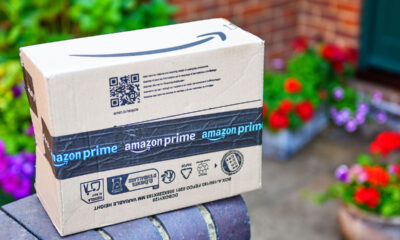
With online shopping forming a major part of the Black Friday and Cyber Monday retail period, ERA NPC believes the delivery process could also provide an opportunity to collect replaced electronics.
Du Plooy says online retailers and delivery companies could make returning an old device as convenient as receiving a new one.
‘Online shoppers carry a responsibility to complete the loop by ensuring their replaced electronics are repaired, reused or channelled into formal recycling rather than left in storage,’ he explains.
‘There is an clear opportunity for online retailers and delivery partners to integrate take-back options directly into the delivery process, making returning an old device just as seamless as receiving a new one.’
ERA NPC says it is expanding its network of e-waste collection bins across the country. Consumers can find a nearby collection point through its online drop-off locator.
The responsibility does not rest with consumers alone. South Africa’s Extended Producer Responsibility (EPR) regulations place obligations on manufacturers and importers dealing with waste electrical and electronic equipment.
ERA NPC argues that these responsibilities should extend beyond meeting regulatory requirements, with manufacturers considering how products can be made more durable, easier to repair and suitable for reuse or recycling.
‘For EPR to succeed, producers must treat it as far more than a financial checkbox fee towards waste management,’ says du Plooy.
‘True producer responsibility begins at the design stage, prioritising durability, repairability, reuse and recyclability long before a product reaches the end of its life. At ERA, we view regulatory compliance as the starting point, not the finish line.’
Retailers are also being encouraged to introduce more accessible collection and take-back options, both in stores and through online purchases. ERA NPC says some retail partners already host its collection bins, providing customers with a way to dispose of unwanted electronics through formal channels.
Beyond the environmental considerations, the organisation says electronic waste contains materials and components that can be recovered and put back into productive use.
This process, often referred to as urban mining, involves recovering valuable materials from discarded products rather than relying entirely on newly extracted resources.
Du Plooy says expanding the infrastructure needed to collect, sort and process electronic waste could create opportunities for local businesses, small, medium and micro enterprises (SMMEs), and waste collectors.
‘Strengthening the local infrastructure needed to collect, sort, dismantle and process these materials creates meaningful opportunities for local businesses, SMMEs and waste collectors,’ he adds.
‘Every device recovered through formal channels supports job creation, builds resilience in our green economy and keeps valuable resources circulating within South Africa.’
ERA NPC is encouraging shoppers to consider whether an existing device can be repaired or reused before purchasing a replacement.
Electronics that have reached the end of their useful life should be taken to a recognised collection point rather than placed in ordinary household rubbish.
The organisation is also calling on retailers to work with Producer Responsibility Organisations to expand collection networks and improve access to responsible disposal options.
Be the first to know – Join our WhatsApp Channel for content worth tapping into! Click here to join!
Follow Joburg ETC on Facebook, Twitter, TikTok and Instagram
For more News in Johannesburg, visit joburgetc.com