News
South Africa’s port troubles deepen as Durban backlog spills into 2027 Port
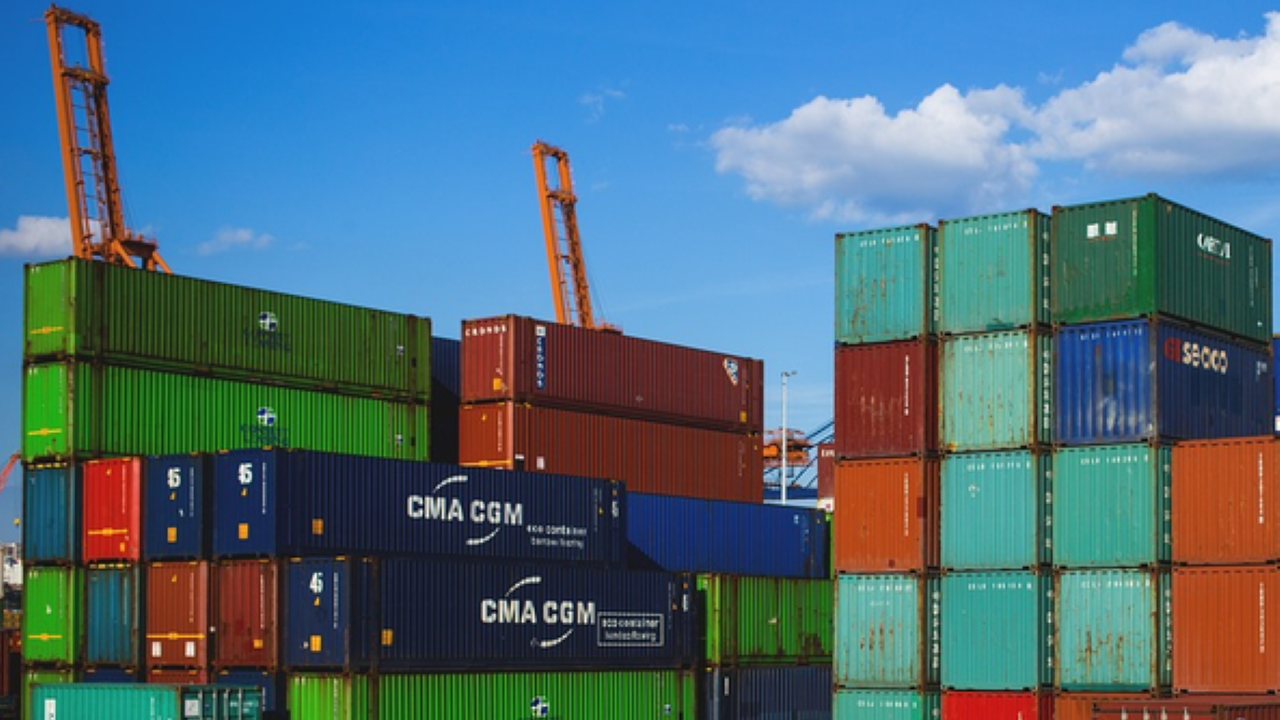
Congestion at the Port of Durban is expected to persist until January 2027, with Transnet warning that it could take another three years for the facility to return to full operational capacity.
According to Business Day, Transnet group chief operating officer Solly Letsoalo said the Durban Gateway Terminal was still struggling with a backlog of approximately 10 to 11 vessels daily, with ships facing waiting periods of up to 10 days before berthing.
The disruption has affected the movement of essential imports, including pharmaceutical products, automotive components and retail merchandise, raising concerns about potential supply shortages and delays during the festive trading season.
Letsoalo said the situation had improved since August but was unlikely to be resolved before the end of the year.
‘Things have gotten better if I compare to where we were in August …but it won’t take us out of the backlog in December. But probably come January – because the peak also would have gone down – we will see a drop in the backlog,‘ the report quoted him as saying.
Citrus Growers
The congestion intensified in August following problems associated with the introduction of a new Navis N4 terminal operating system at the Durban Gateway Terminal, which is operated by Philippines-based International Container Terminal Services Inc. (ICTSI).
MyBroadband previously reported that the system migration caused container processing operations to decline by as much as 30% within days, while trucking companies experienced registration difficulties and lengthy queues.
The disruption has also affected other sectors of the economy.
Business Day reported that the Citrus Growers’ Association of Southern Africa had attributed missed international market supply windows to logistics backlogs, contributing to a weaker-than-expected 2026 export season.
Retailer Pepkor has also warned that port operational problems and delayed stock deliveries could undermine festive-season sales.
Meanwhile, the government and Transnet have introduced emergency interventions to ease congestion.
According to Moneyweb, the measures include diverting some vessels to the Port of Ngqura in Gqeberha, making additional berthing capacity available at Pier 1 and increasing rail capacity to move imported containers destined for Gauteng.
Essential cargo
Essential cargo, particularly medicines and automotive components, has also been prioritised.
In its account of the interventions, SAnews quoted Transnet as saying: ‘We are also prioritising all essential cargo (pharmaceuticals, auto parts, etc.) before vessel berthing to ensure priority evacuation from the terminal.‘
Despite the immediate interventions, the longer-term recovery remains a concern.
Letsoalo said ICTSI was bringing in additional equipment, including new ship-to-shore cranes, while undertaking infrastructure improvements to accommodate more efficient rubber-tyred gantry cranes.
The first phase of the upgrades is expected to be completed within 18 months, although full operational recovery could take up to three years.
The ongoing crisis has renewed questions about South Africa’s port reform programme and whether private-sector participation will deliver the operational improvements needed to strengthen the country’s logistics network.
Be the first to know – Join our WhatsApp Channel for content worth tapping into! Click here to join!
Follow Joburg ETC on Facebook, Twitter, TikTok and Instagram
For more News in Johannesburg, visit joburgetc.com
Featured Image: Pixabay / African Insider
Words: Betha Madhomu / African Insider