Rosebank
Complete guide to Rosebank: shops, transport, art and practical tips
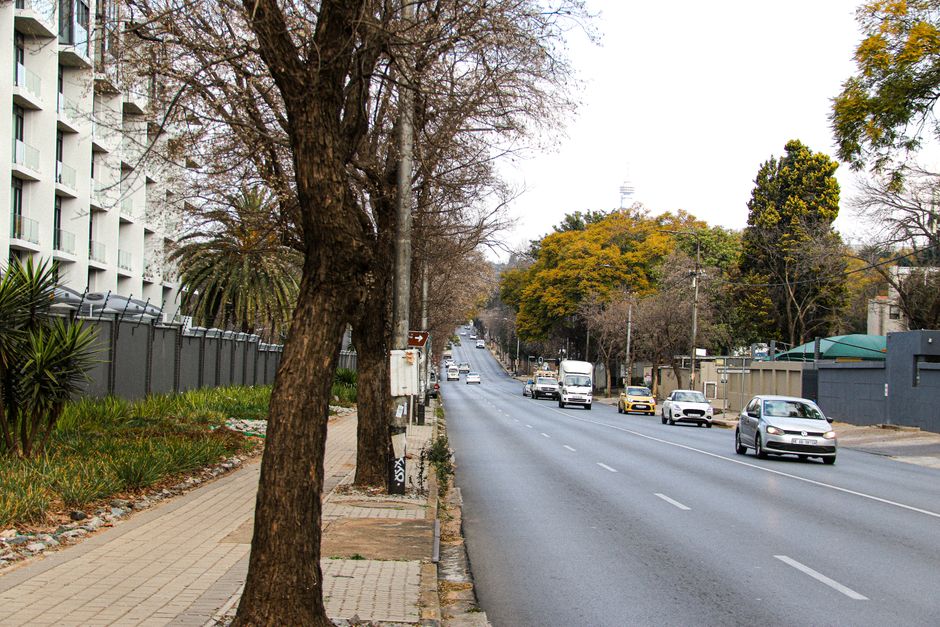
Rosebank is an inner-city suburb of Johannesburg that has grown from a farm into a busy, multicultural commercial and residential node. Located between the Johannesburg CBD and Sandton, Rosebank is known for high-end retail, restaurants, galleries, office space and convenient transport links.
Quick facts and history
Rosebank sits roughly 6.8km north of the Johannesburg CBD and lies in Region B of the City of Johannesburg. The area began as the Rosemill Orchards farm and developed into a village before becoming a mixed residential and commercial suburb. During apartheid it was classed as a “whites only” area under the Group Areas Act. The suburb’s commercial growth accelerated from the late 20th century as businesses relocated north from the Johannesburg CBD.
Shopping, dining and mixed-use centres
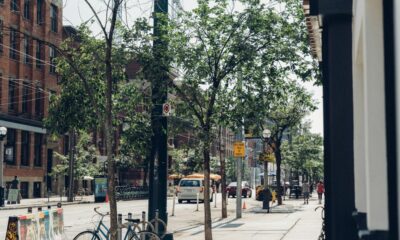
Major retail hubs anchor Rosebank’s commercial life. Rosebank Mall, established in 1976, is a long-standing focal point. The Zone @ Rosebank is another mixed-use development offering shopping, dining and hotel accommodation. Together these centres support a dense retail and restaurant scene popular with both tourists and locals.
Arts, culture and heritage
Rosebank hosts a number of cultural attractions, including art galleries, markets and heritage buildings. The Everard Read Art Gallery Africa’s oldest commercial art gallery relocated to Rosebank in the late 1970s (source gives “late 1970s” but does not list an exact year) and remains a key cultural landmark. The suburb has also developed an arts precinct known as Keyes Art Mile. The Keyes Art Mile project was developed in phases, with a second phase launched in April 2026; sources do not specify the exact year the project was initially conceived.
Transport links and getting around
Public transport in Rosebank centres on the Gautrain. The Rosebank Gautrain station opened on 2 August 2011 (see Gautrain for current facilities). It links the suburb to Sandton, Pretoria and O. R. Tambo International Airport. An integrated bus feeder network and Gautrain buses connect the station to surrounding areas.
Beyond the Gautrain, travellers can use Gautrain buses, metered taxis, minibus taxis and ride-hailing services. Major road corridors such as Oxford Road and Jan Smuts Avenue provide direct road access to neighbouring suburbs and the wider city.
Property and who lives here
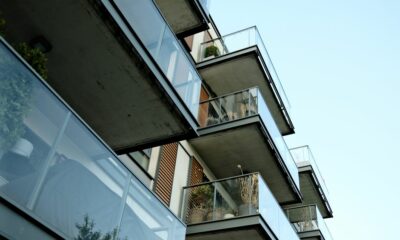
Rosebank’s property market is diverse, featuring apartments, lofts and office space. Its mix of residential and commercial buildings, together with transport links and proximity to Sandton, has made the area popular with professionals and corporate offices.
Safety and visitor practicalities
Local area profiles and guides note that Rosebank is generally regarded as safer than some other parts of Johannesburg, helped by private security and active commercial streets. Standard precautions are still advised. Practical visitor details include typical shopping-centre opening hours listed by Rosebank Mall and station information (see Gautrain for current facilities).
Local initiatives
Rosebank has seen local projects and transport adaptations in recent years, including non-motorised transport initiatives and changes to Gautrain services as part of broader urban development efforts.
Why visit Rosebank
- High-end shopping and dining across mixed-use centres
- Accessible rail link via the Gautrain station
- Active arts scene with galleries and the Keyes Art Mile precinct
- Convenient location between Johannesburg CBD and Sandton
For visitors and residents alike, Rosebank’s combination of transport connections, retail and cultural offerings makes it a distinct inner-city node in Johannesburg’s northern corridor.
Follow Joburg ETC on Facebook, Twitter, TikTok and Instagram
For more News in Johannesburg, visit joburgetc.com