Best Suburbs
Where to Live Safely in Johannesburg: A Practical Guide to the City’s Most Secure Suburbs
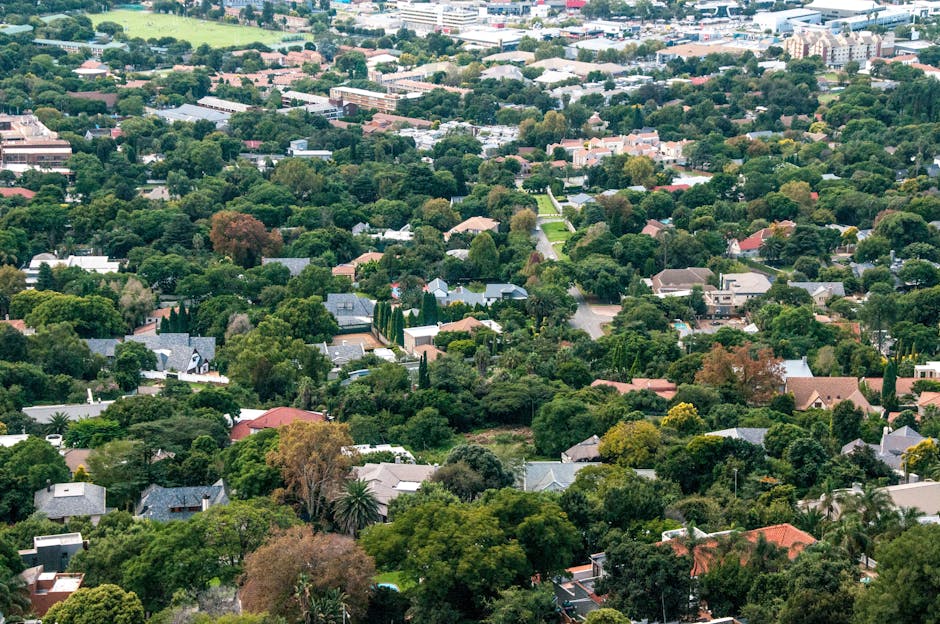
Quick overview: What matters for safety
Safety in Johannesburg is shaped by economic inequality, urban density and the city’s geographic layout. Some suburbs combine strong private security, active community groups and well-maintained infrastructure to create comparatively secure living environments. Knowing how those elements come together helps when choosing where to live.
Featured suburbs and why they’re considered safe
Sandton
Why it’s considered safe: Sandton tops safety rankings in the source material. Key features include advanced private security systems, gated residential complexes, 24/7 security patrols and a heavy police presence during business hours. The area’s economic importance draws coordinated security efforts from authorities and private stakeholders.
Amenities and suitability: Sandton hosts major shopping centres such as Sandton City and high-end commercial infrastructure. The layered security model and commercial gravitas suit professionals working in the area; families benefit from the controlled estate environments and active security presence.
Rosebank
Why it’s considered safe: Rosebank combines residential and commercial uses with active neighbourhood watch programmes, well-lit streets and regular police patrols. The suburb’s compact layout makes it easier to monitor and secure than larger, more sprawling neighbourhoods.
Amenities and suitability: Rosebank’s mix of homes and businesses and its proximity to major business areas make it attractive to professionals; its manageable scale and public amenities are also suitable for families seeking an urban residential setting.
Melville
Why it’s considered safe: Melville benefits from strong community cohesion, visible foot traffic in the evenings and good street lighting. Active local business associations and proximity to emergency services contribute to the suburb’s safety profile.
Amenities and suitability: With a bohemian character that draws young professionals and families, Melville’s lively streets provide natural surveillance. The presence of active businesses and consistent pedestrian activity supports a sense of security.
Greenside
Why it’s considered safe: Greenside is noted for low crime rates compared to city averages, established neighbourhood watch groups and strong community networks. Well-maintained public spaces and access to private security services enhance the suburb’s overall security.
Amenities and suitability: Greenside’s residential focus and close-knit community make it especially appealing to families who prioritise neighbourhood vigilance; professionals looking for quieter residential areas also find it attractive.
Parktown North
Why it’s considered safe: Parktown North offers upscale living with security features such as gated communities with controlled access and private security patrols. The suburb’s low population density and proximity to medical facilities are listed as positive safety factors.
Amenities and suitability: The investment by residents in security systems benefits the whole neighbourhood. Parktown North suits families and professionals seeking an affluent, well-secured residential environment.
Common security features across these suburbs
- Private security: gated estates, private patrols and alarm systems provide visible deterrents.
- Community vigilance: active neighbourhood watches and business associations increase informal surveillance.
- Infrastructure: well-lit streets, maintained public spaces and good upkeep reduce signs of neglect that can invite crime.
- Public-private cooperation: business improvement districts and coordinated security efforts increase overall protection.
Choosing between suburbs: families vs professionals
When weighing suburbs, consider the following factors emphasised in the source:
- Level of private security and estate living benefits families who prioritise controlled-access environments and professionals who need reliable safety during work hours.
- Community activity suburbs with active street life and local business associations offer natural surveillance that can suit both families and younger professionals.
- Proximity to business hubs professionals often prioritise suburbs close to commercial centres; suburbs that host business improvement districts typically have stronger daytime security presence.
Practical security measures to look for
The source highlights a range of effective measures residents and buyers should prioritise:
- Home security systems alarms, cameras and motion sensors act as deterrents and provide alerts.
- Physical barriers high walls, security gates and reinforced doors add layers of protection.
- Neighbourhood watch participation community groups provide additional eyes and ears around properties.
- Vehicle security guarded parking, immobilisers and tracking devices reduce the risk of theft.
- Personal safety practice being cautious about displaying valuables, planning routes and staying aware in public spaces.
- Safety technology emergency response apps can send distress signals, share GPS location and link users to monitoring services.
Using technology and emergency response tools
The source points to emergency-response apps as valuable additions to personal and household safety. These applications can offer one-touch panic buttons, real-time GPS tracking and 24/7 monitoring that coordinate responses from armed response services and contacts. Such tools are particularly useful where response times vary across the city.
Checking crime data and staying informed
The guide stresses that Johannesburg’s safety picture changes by area and time of day. It recommends maintaining awareness of local conditions and engaging with community and official channels. The source also highlights the role of community policing initiatives and public-private partnerships in improving security over time.
Practical steps from the source to stay informed include:
- Monitor local community groups and neighbourhood watch channels.
- Engage with business improvement districts or local security coordinators where present.
- Use safety apps and services that provide monitoring and rapid alerts.
- Follow community policing initiatives and police patrol patterns where available.
According to the source, the suburbs most consistently identified as among Johannesburg’s safest are Sandton, Rosebank, Melville, Greenside and Parktown North. These areas combine private security investment, community vigilance and maintained infrastructure to offer comparatively secure environments for residents. Choosing the right suburb requires balancing security features with lifestyle needswhether that means proximity to work, estate living for families, or active urban neighbourhoods for professionals.
About this guide
This article summarises safety findings and advice presented by the cited source. It draws on the source’s assessment of neighbourhood security, common protective measures and the evolving role of technology and community partnerships in Johannesburg’s security landscape.
Follow Joburg ETC on Facebook, Twitter, TikTok and Instagram
For more News in Johannesburg, visit joburgetc.com
Source: ifearless.co.za