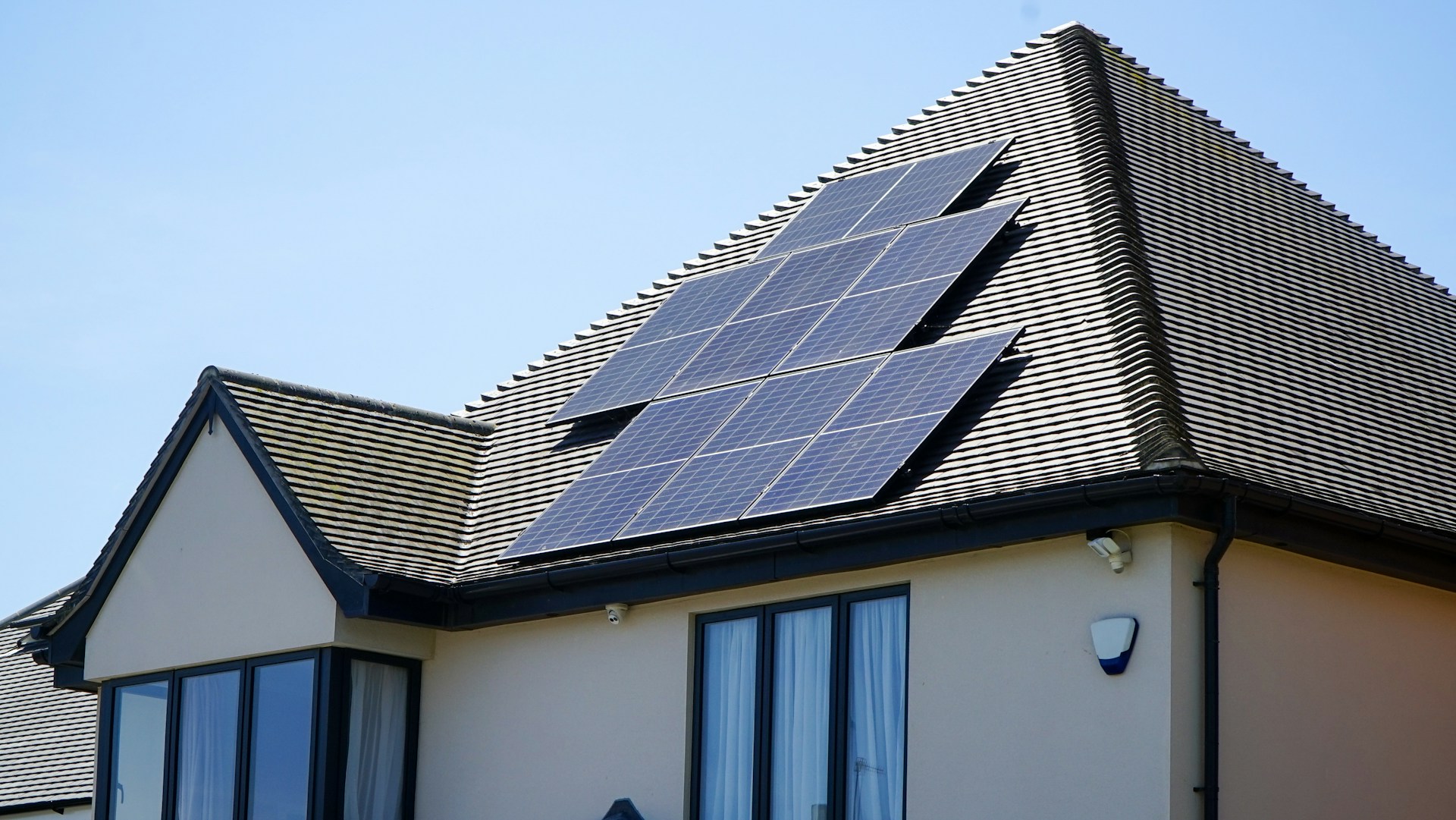
As electricity prices continue to climb across South Africa, many households and small businesses are finding it harder to keep up. Even with load-shedding easing in recent months, the cost of staying connected to the grid is still biting.
Now, a new Johannesburg-based company is trying to change the game by tapping into something deeply familiar to South Africans: the stokvel.
A Community Approach To Solar Power
Ipeleng Power Solutions, founded by 32-year-old entrepreneur Ipeleng Mhlanga, officially launched this week with a clear mission. Make solar energy accessible to people who would normally be locked out by high upfront costs.
Instead of relying on traditional bank loans or expensive financing, the company is leaning on community-driven models.
One option is a stokvel-style system, where groups of households or small businesses contribute monthly into a shared fund. That money is then used to install solar systems for members in phases.
There is also a crowdfunding approach, where broader community contributions help fund installations for those who would not qualify for conventional credit.
The idea is simple but powerful. Spread the cost over time and make ownership possible without heavy debt.
Rising Costs Still A Major Pressure
The timing of the launch is no coincidence. Eskom’s latest tariff increase of 8.76% for direct customers kicked in from 1 April, with municipal customers expected to face hikes of around 9% from July.
For many South Africans, especially in metros like Johannesburg, electricity has become one of the biggest monthly expenses.
Even though blackouts have eased, the deeper issues remain. Power is still expensive, unreliable in some areas and out of reach for others. Some communities continue to experience frequent outages, while others have never had consistent access at all.
The Bigger Picture Of Energy Inequality
South Africa’s shift towards renewable energy has opened up new opportunities, but it has also raised tough questions about affordability.
Right now, solar adoption is largely concentrated among higher-income households and established businesses. For many others, the upfront cost of panels, inverters and batteries is still too high.
Electrical engineer Reanetse Sekabate explains that solar is a long-term investment. You pay upfront, and over time the system pays itself off through savings on electricity.
But that initial cost remains the biggest barrier. Off-grid systems, which offer full independence, require even higher investment due to battery storage. Hybrid systems are more common, but still not cheap.
Building A Business That Lasts
While the mission behind affordable solar is clear, sustainability is just as important.
Business mentor Modise Moloi stresses that companies in this space cannot ignore the numbers. A business needs to be profitable to survive and continue serving its customers. Pricing, cost control and consistent customer engagement all play a role.
This balance between purpose and profit is something many startups in South Africa grapple with, especially in sectors tied to social impact.
Opportunities Beyond South Africa
There is also growing interest from international and regional players. At the launch event, representatives from a Chinese manufacturing company indicated potential partnerships with local businesses.
Entrepreneurs are also looking beyond South Africa’s borders. Many African countries face similar energy challenges, creating room for expansion and collaboration across the continent.
A Shift Towards Energy Independence
At its core, this new venture is not just about responding to load-shedding. It is about changing how people think about power.
For Mhlanga, the goal is to help communities take ownership of their energy over time, rather than waiting for relief from the grid or relying on costly financing options.
In a country where electricity has become both a necessity and a growing financial burden, that shift could be more important than ever.