News
Visa Deadline Hits Hard: Thousands Of Foreign Nationals Face Uncertain Future In South Africa
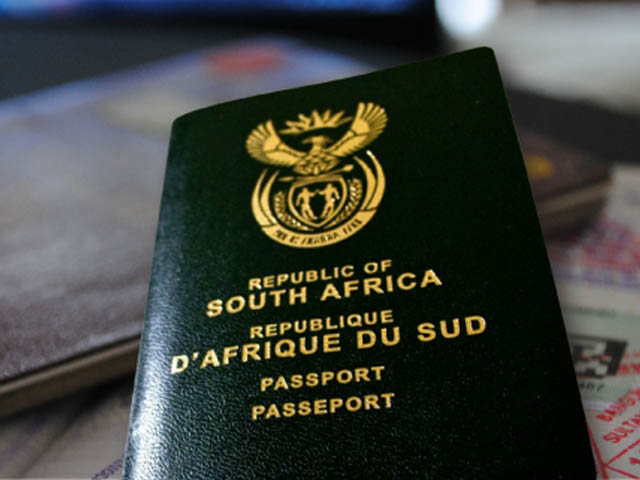
For thousands of people who have built their lives in South Africa, today is not just another date on the calendar. It is a turning point.
As of 31 March 2026, a temporary safety net that has protected foreign nationals for years quietly falls away. And with it, a wave of uncertainty is beginning to ripple through communities across the country.
A Deadline Years In The Making
For some time, foreign nationals waiting on outcomes from the Department of Home Affairs have been shielded from falling into what is known as “undesired status.” This concession meant that even if their visas had technically expired, they could remain in South Africa legally while their applications were processed.
But that protection ends now.
From 1 April 2026, thousands who are still stuck in administrative limbo could suddenly find themselves without legal status. And with no confirmed extension in place, many are now facing the real possibility of having to leave the country at short notice.
It is a situation that feels especially harsh given the context. South Africa’s immigration system has been under pressure for years, with long delays becoming the norm rather than the exception.
Who Is Most At Risk
The impact is not spread evenly. Certain groups are particularly vulnerable to the sudden shift.
These include:
- Permanent residence applicants still waiting for outcomes
- Spouses of South African citizens or permanent residents on Section 11(6) visas
- Critical skills and general work visa holders with pending waivers or appeals
Many of these individuals are not new arrivals. They have been living, working, and contributing to South African society for years, sometimes decades.
In cities like Johannesburg, Cape Town and Durban, foreign professionals, entrepreneurs and families have become part of the social and economic fabric. From healthcare workers to small business owners, their presence is deeply woven into everyday life.
A System Under Strain
At the heart of the issue is a backlog that has been building since at least 2022.
Applications, waivers and appeals have been stuck in the system for extended periods, leaving applicants in a kind of administrative limbo. The visa concession was meant to ease that pressure, acting as a temporary fix while the Department of Home Affairs worked through the pile.
But with the concession now ending, the cracks in the system are harder to ignore.
Legal experts have pointed out that while concessions have been extended multiple times before, relying on temporary measures is not a long-term solution. The bigger question now is whether government will introduce a more sustainable framework to deal with delays.
Stay And Fight Or Leave
For those affected, the options are far from simple.
Some may consider leaving the country to avoid overstaying their visas. But that comes at a cost. Travel expenses alone can be significant, especially for families. There is also the emotional toll of uprooting lives built over many years.
Others may choose to challenge their situation legally. In some cases, legal assistance is available at reduced cost, but even that route can be financially and emotionally demanding, with no guarantee of success.
Interestingly, some legal voices argue that pursuing a case might, in certain situations, be less costly than a sudden departure. It is a difficult calculation, and one many are now being forced to make.
The Human Story Behind The Policy
Beyond the legal language and policy shifts lies a more personal reality.
Many of those affected are married to South African citizens or are raising families here. They are employed, paying taxes, and contributing to the economy. For them, this is not just about paperwork. It is about home.
There is growing concern that the uncertainty created by delays and shifting rules is placing unnecessary stress on people who have done everything required of them.
A Moment That Demands Clarity
As the deadline arrives, attention now turns to what happens next.
Will there be a last-minute extension, as seen in previous years? Or will authorities move towards a more permanent solution that addresses the root of the problem?
For now, thousands wait in uncertainty.
And in a country where migration has long been part of the social and economic story, the outcome of this moment could shape not just individual futures, but South Africa’s broader approach to immigration in the years ahead.
{Source:The South African}
Follow Joburg ETC on Facebook, Twitter , TikTok and Instagram
For more News in Johannesburg, visit joburgetc.com