News
Home Affairs seeks reimbursement from Malawi, Nigeria and Ethiopia after R292m repatriation bill
Home Affairs says it spent R292 million on unfunded repatriations and has written to Malawi, Nigeria and Ethiopia seeking reimbursement for transport and processing costs.
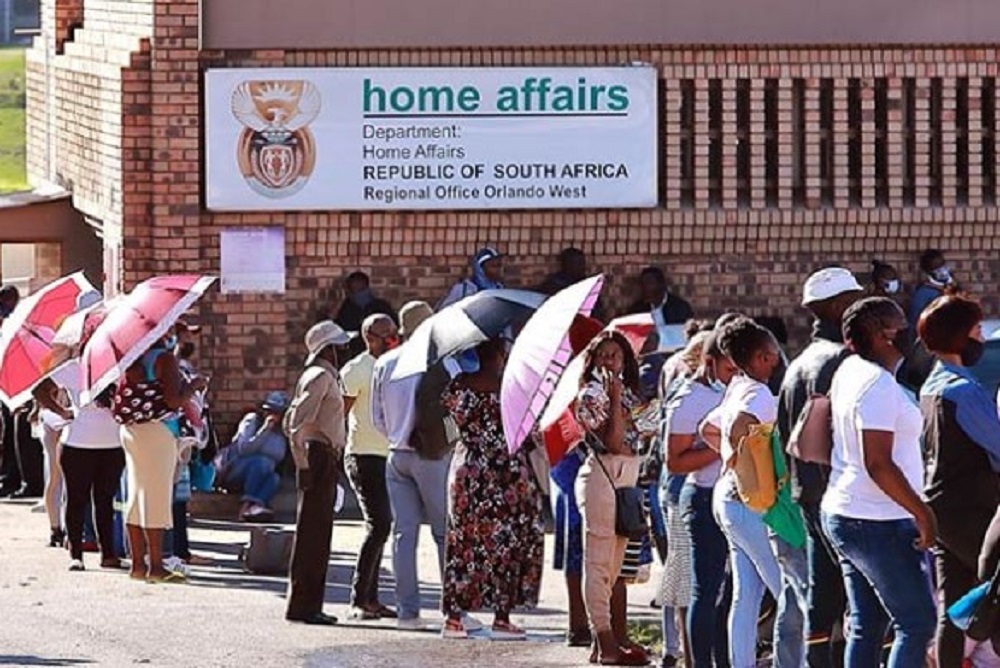
The Department of Home Affairs has asked Malawi, Nigeria and Ethiopia to reimburse costs linked to recent repatriations, after spending R292 million on the operation, the department told Parliament.
Who was asked to pay and why
Home Affairs officials said they had written to the government of Malawi and the embassies of Nigeria and Ethiopia requesting reimbursements for funds the department used during a wave of repatriations this year.
How much was spent and where the money went
The department told the Portfolio Committee on Home Affairs that the overall repatriation effort was unfunded and that it had spent R292 million on the process. Officials said the largest share of that expenditure was on buses procured to transport people to repatriation centres.
Scale of processing and deportations
Home Affairs reported that at least 82 875 foreign nationals had been processed at repatriation centres as of 6 August 2026. That figure excludes those repatriated before 30 June and those processed by the Border Management Authority.
The department also provided figures for deportations through Lindela: 44 607 foreign nationals were deported in the previous financial year, and 16 078 were deported between 20 April and 28 July this year.
Nationalities and trends
Home Affairs said Malawians made up the majority of those deported in both the previous and current financial years. Other numbers provided for comparison were:
- Zimbabweans: 13 479 (previous) vs 4 095 (current)
- Mozambicans: 12 354 (previous) vs 4 034 (current)
- Basotho: 3 494 (previous) vs 931 (current)
Other nationalities deported through Lindela included citizens from Vietnam, Algeria, Bolivia, Brazil, the UK, Thailand, Slovakia, Paraguay, Liberia, Lebanon, Jordan and Hungary.
Courts, bans and administrative measures
The country’s dedicated immigration courts handled at least 28 737 cases, with Gauteng recording the highest number at 4 973. The department said this was significant in light of President Cyril Ramaphosa’s announcement on 7 June to establish dedicated courts.
Home Affairs also described how it had declared foreigners who had overstayed by 30 days or longer as undesirable under the Immigration Act and regulations. The department gave comparative figures: 63 090 foreign nationals were declared undesirable in the previous year, versus 20 340 so far this current year.
Officials’ statements
“We have also written to the government of Malawi and, of course, the embassies of Nigeria and Ethiopia requesting reimbursements of this cost through the department of Dirco, and we are anticipating responses from those governments,”
said Home Affairs Director-General Tommy Makhode.
“You will note that that’s really around the 4th and 5th when we received the majority of foreign nationals from the Musina showgrounds, and then the lowest we processed was around 189, and you can see the numbers keep going down now, and the minister just indicated the latest number is even lower than that 189,”
Makhode told the Portfolio Committee on Home Affairs.
Budgetary impact
Home Affairs said the repatriation activity exceeded its planned budget for deportations, and noted that the majority of deportation costs were to neighbouring countries, where the costs are higher.
What happens next
The department said it was awaiting responses from the governments and embassies it had contacted about reimbursement. No further timelines or details about responses were provided.
Follow Joburg ETC on Facebook, Twitter, TikTok and Instagram
For more News in Johannesburg, visit joburgetc.com
Source: citizen.co.za