News
IMF chief: Poorer countries face mounting pressure as war pushes up prices
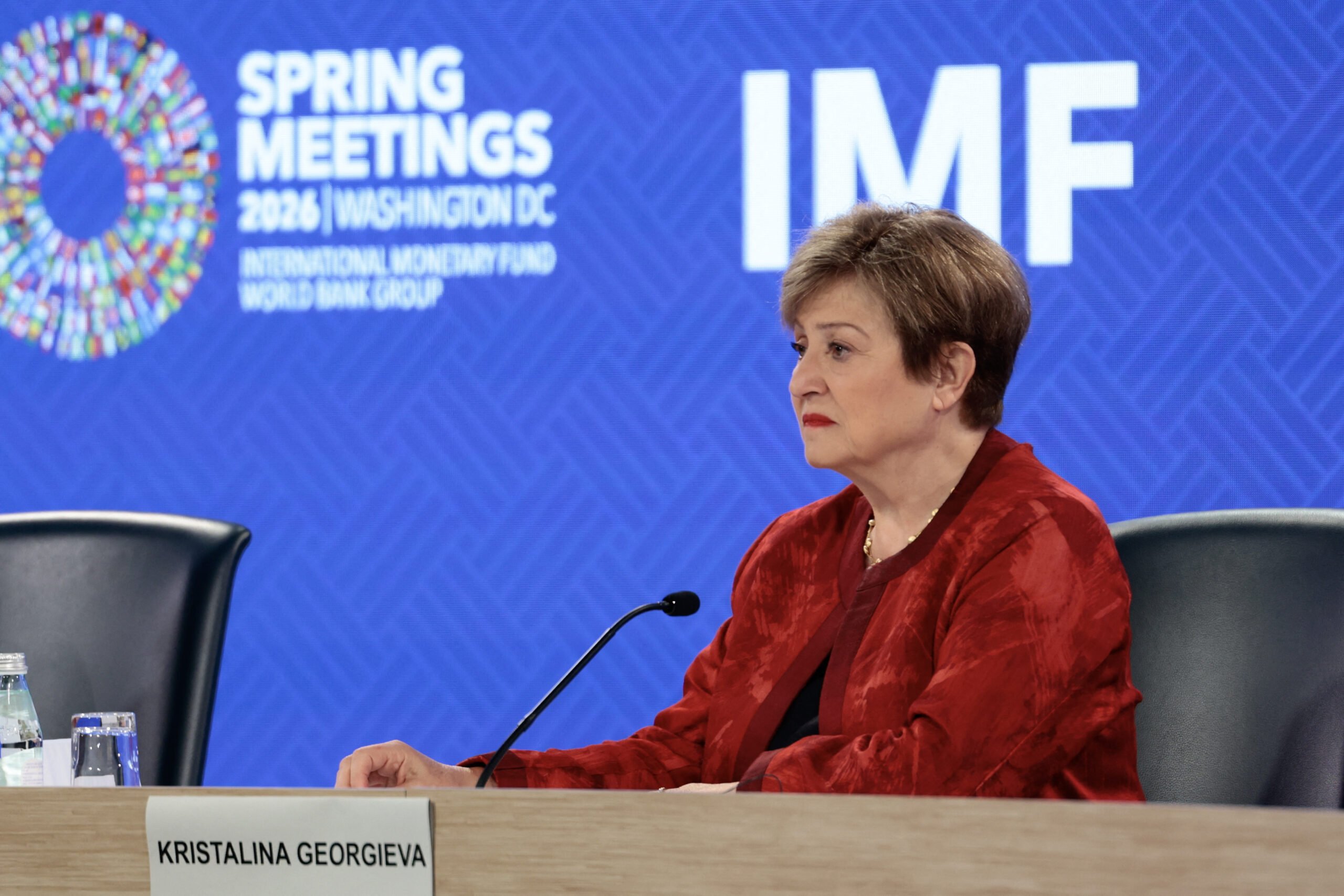
IMF chief Kristalina Georgieva warns poorer, low‑income countries face rising pressure from higher energy prices, inflation and debt as Annual Meetings end in Bangkok.
Meetings marked by “optimism and worry”
The IMF’s Annual Meetings in the Thai capital brought together finance ministers, central bank chiefs and senior officials to discuss a crowded agenda. According to Georgieva, participants saw both reasons for hope and causes for concern.
“(The meetings) were marked by both optimism and worry,” said Georgieva, who spoke at a press briefing alongside Saudi Finance Minister Mohammed al‑Jadaan.
She summarised the mood: “Optimism from the resilience of the global economy, the promise of AI, the dynamism of Asia. But AI is also recognised to be a source of worry, and so are inflation, high levels of debt, wars, climate risks.”
War, energy prices and the squeeze on poorer countries
The IMF highlighted a recent spike in global energy prices. In its account of events this week, the Fund said that global energy prices have risen since late February, when the United States and Israel launched the war on Iran, and that Tehran’s retaliatory actions have targeted Washington’s Gulf allies and curtailed oil and gas supplies. The increases in energy costs have pushed up prices across many economies and helped drive inflationary pressure.
Georgieva warned that the hardest hit are low‑income, oil‑importing countries that do not benefit from the surge in AI investment that has supported growth in some advanced economies. She put the situation plainly:
“I can tell you that people everywhere, but especially in poorer countries, they don’t like inflation. Inflation is like a tax on the poor,” said Georgieva.
Debt burden and fiscal strain
The IMF chief drew attention to how higher global interest rates and rising bond yields are increasing borrowing costs and stretching government finances in vulnerable states. She noted a clear rise in the share of debt repayments relative to government revenue for low‑income countries, saying the share had climbed from 8 percent to 14 percent in recent years.
That shift reduces fiscal space the ability of governments to spend on services and protect the most vulnerable because a larger slice of revenue must be diverted to debt service.
How the IMF says it can help
Georgieva outlined the Fund’s areas of responsibility for supporting low‑income countries facing these shocks. She said the IMF can assist with debt restructuring where needed, help countries mobilise domestic resources, attract international finance and create conditions to encourage private investment.
She framed these efforts as part of a broader mission to safeguard lives and livelihoods:
“When we do our best, it translates into better lives for people.”
Those tools are broad by design: debt restructuring typically involves renegotiating repayment terms to restore sustainability, while domestic resource mobilisation refers to policies that strengthen tax systems and public revenues both general descriptions of commonly used approaches rather than statements about specific actions in any country.
AI’s double edge and uneven recovery
Delegates at the meetings acknowledged that investment in artificial intelligence has helped drive growth in parts of the world. Georgieva cautioned, however, that depending too heavily on a single driver of growth creates vulnerability.
“When we are dependent on one particular driver of growth, it is like we stand on one leg,” she said.
The remark underscores the Fund’s broader message at the meetings: while new technologies can boost productivity and output, policymakers should guard against concentrated risks and aim for diversified, resilient growth strategies.
Regional note: South Africa and Africa’s exposure
The IMF also commented on conditions in Africa. The Fund said structural reforms in South Africa have supported macroeconomic stability, but warned that South Africa and other African economies remain vulnerable to global shocks, including higher energy prices and possible food inflation.
The IMF’s updated projection for South Africa’s growth was cited: 1 percent in 2026, down from an earlier projection of 1.1 percent.
Why this matters for Johannesburg readers
Rising global energy costs and higher interest rates can transmit to domestic prices, borrowing costs and government budgets. Even when shocks originate abroad, their effects can influence local inflation, fiscal priorities and the scope for public investment.
The IMF’s warnings at the Bangkok meetings are a reminder that global risks from warfare to financial tightening and concentrated technological shifts can have tangible impacts on lower‑income countries and on economic policy choices everywhere.
What to watch next
Policymakers and creditors will be watching developments in energy markets, global bond yields and the evolution of inflation. The IMF has signalled a push for more resources for low‑income countries and for international cooperation on debt and finance; how that agenda translates into concrete commitments and support will determine how well vulnerable countries weather current shocks.
Follow Joburg ETC on Facebook, Twitter, TikTok and Instagram
For more News in Johannesburg, visit joburgetc.com
Source: iol.co.za