News
Madlanga commission to decide if NICOC witness should testify in camera
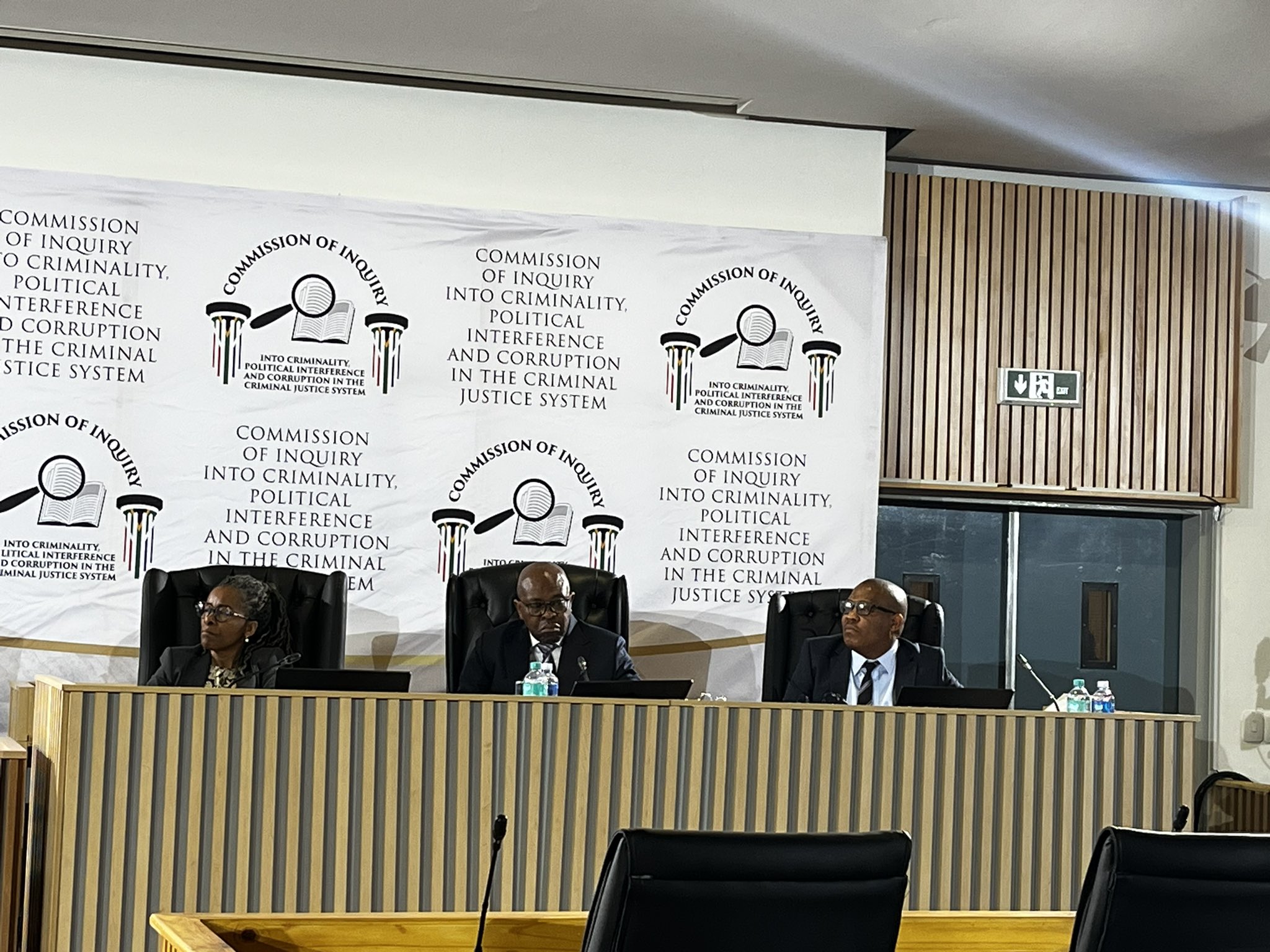
The Madlanga Commission will hear arguments over an in-camera application for Dr Ntandazo Sifolo’s testimony on 21 October 2026. Media organisations oppose the move.
Commission set to hear application on secrecy of NICOC testimony
What: Arguments over whether the testimony of Dr Ntandazo Sifolo, the Acting Coordinator of the National Intelligence Coordinating Committee (NICOC), should be heard in camera.
Who: The application was brought by the commission’s evidence leaders and is opposed by the amaBhungane Centre for Investigative Journalism, Daily Maverick and Media24.
Where and when: Commission chairperson Justice Mbuyiseli Madlanga directed that the in-camera application be heard in an open session at the commission’s Pretoria venue on Wednesday, 21 October 2026, from 9am. The application was brought on 12 October 2026.
Timed submissions and courtroom procedure
The commission has allocated fixed time for oral argument. Under the chairperson’s directive, the applicants and respondents will present within set limits:
- Applicants: 45 minutes to present and argue the in-camera application.
- Respondents: 45 minutes to present and respond.
- Reply: Applicants will have 15 minutes to reply.
The commission said it will publish the parties’ written submissions relating to the application on its website.
Why secrecy is being sought
Dr Sifolo is the acting head of NICOC, the body described by the commission as responsible for coordinating South Africa’s intelligence structures. The commission’s evidence leaders say his evidence engages classified material.
“His evidence relates to classified material which has been declassified for use by the Commission but not for public dissemination,”
According to The Citizen, an attorney representing the Commission supported the in-camera application with an affidavit describing the anticipated evidence as highly sensitive.
The affidavit says Dr Sifolo is expected to testify about the relationship between NICOC and other intelligence and security structures, and about the identification, assessment and reporting of threats linked to organised crime and criminal syndicate infiltration of the criminal justice system. The commission has argued the confidential information is so embedded in his evidence that it cannot realistically be separated from the rest of his testimony.
Scheduling and postponement
Dr Sifolo had originally been scheduled to begin giving evidence on 13 October 2026, but his appearance was postponed. Commission spokesperson Jeremy Michaels confirmed the postponement in a late-night update.
What an in-camera hearing means and why it matters
An in-camera hearing is a legal procedure in which portions of testimony or evidence are heard in private, outside the public gallery and media. Such measures are typically used where material is classified or where public disclosure could harm national security, ongoing operations or the safety of individuals.
For public inquiries, the decision to hold evidence in camera involves balancing two competing principles: the need to protect sensitive information and the public interest in open oversight of official actions. The commission’s published rulings and written submissions are one way parties and observers can understand the legal reasoning behind decisions to restrict public access.
Stakeholders and media opposition
The in-camera application is opposed by established media organisations. Those organisations are exercising their right to contest restrictions on public access, arguing that openness is essential for democratic oversight. The commission’s timetable for oral argument gives the opposing parties an equal opportunity to set out legal and public-interest reasons against the restriction.
What to expect next
The commission will hear oral argument on 21 October 2026 and will later publish the written submissions relating to the application on its website. Any ruling on whether Dr Sifolo’s evidence will be heard in camera will come after that hearing and will be recorded in the commission’s public record.
Why this matters locally
The outcome of the in-camera application will determine how much of the NICOC witness’s evidence is accessible to the public and press. Given the subject matter described in the affidavit coordination among intelligence bodies and the reporting of threats tied to organised crime and syndicate infiltration the commission’s approach to balancing secrecy and transparency will be closely watched by media, legal observers and those concerned with accountability in security services.
Readers seeking the primary documents and the commission’s determinations will be able to consult the commission’s website once the written submissions and any ruling are published.
Follow Joburg ETC on Facebook, Twitter, TikTok and Instagram
For more News in Johannesburg, visit joburgetc.com
Source: citizen.co.za