News
Madlanga Commission Faces Critical Test as Time Runs Out and Top Witnesses Stay Away
With only weeks left, the Madlanga Commission faces scrutiny as high-profile witnesses remain absent. Can it uphold its mandate for accountability?
High-Profile Figures Remain Unaccounted For
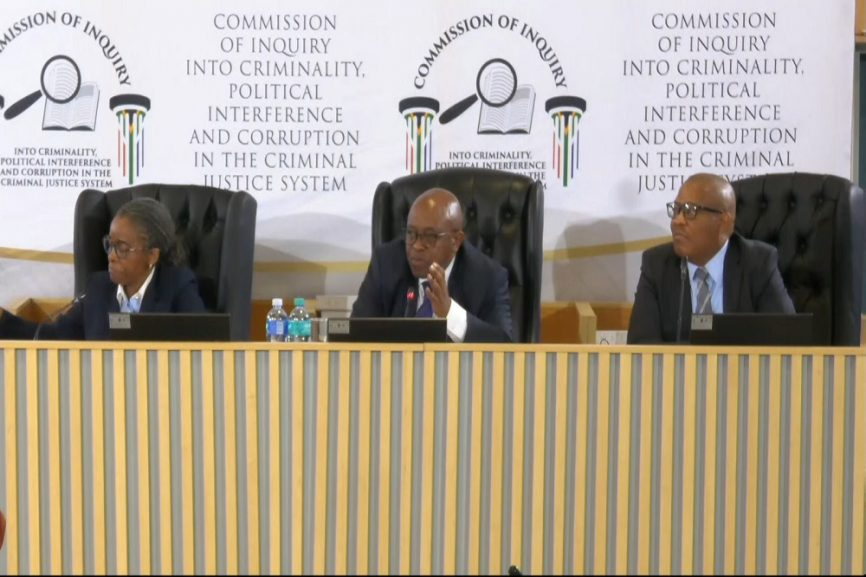
Over thirteen months, the commission, led by retired Justice Mbuyiseli Madlanga, has drawn considerable public anticipation and hope by exposing alleged links between government officials and criminal enterprises believed to operate from the shadows of state power. Its investigations have brought sensitive information into the open implicating a network of individuals in serious allegations, including money laundering, contract killings, and manipulation of justice processes for personal or political gain.
Prominent among those named is Bejani Chauke, President Ramaphosa’s special advisor. Commission evidence has allegedly connected Chauke to the late Jotham “King Mswazi” Msibi, and raised questions about his potential role as an envoy between Msibi and president Ramaphosa. Chauke also figures in various allegations from money laundering related to the Phala Phala controversy to the illegal procurement of intelligence technology and suspected involvement in rigged tenders across Gauteng and the North West.
Despite a rule 10.6 notice recently being issued to Chauke, uncertainty persists. The commission faces criticism for the timing of this notice whether it was delivered too late for substantive testimony, or if there’s still a chance to scrutinize his actions in the same public manner as other witnesses.
The Countdown: Only Four Weeks Remain
With just four weeks left, the commission faces its so-called “litmus test.” How it handles the testimony of Chauke and other major figures will play a key role in shaping its lasting impact. The expectation set early on was one of no exceptions that all implicated individuals would be held accountable, regardless of rank or association.
- Ze Nxumalo: Alleged tenderpreneur and close associate of Chauke, Nxumalo has not yet testified. The commission has aired evidence alleging his involvement in questionable tenders and links to major underworld figures. Despite his absence, sources say Nxumalo claims he does not need to appear, having submitted a vague affidavit instead.
- A roster of others: Katiso Molefe, Steven Motsumi, “King Nyambose” Mtetwa, and Mchunu (currently on special leave) are among several other high-profile names whose potential testimonies are anxiously awaited.
- Prince Mokotedi: Despite publicly stating his willingness to assist, Mokotedi has not been summoned. His testimony and affidavit may offer insights into an alleged hit list targeting senior security personnel, dating back to 2016.
Mounting Pressures and Critical Questions
The clock is ticking, and the commission’s credibility increasingly depends on its ability to resist political influence and ensure no one remains above inquiry particularly those in the highest offices. At stake is South Africa’s faith in institutional accountability: Can the commission avoid the pattern seen in high-profile scandals, where only lower-tier figures are prosecuted while those at the core remain unexamined?
In addition to the headline names, the commission’s findings extend into the alleged manipulation of security and law enforcement agencies. Paul O’ Sullivan, an alleged former foreign operative, is highlighted for his purported influence over internal police processes and his relationship with high-ranking officials. Testimony details claims of interference in appointment procedures and misuse of investigative bodies to serve personal agendas. The involvement of associates, such as Sarah Jane Trent, underscores the complexity and reach of these alleged networks.
Turning Point for Justice and Accountability
As the final weeks unfold, the commission faces immense pressure to call all central figures to account. South Africans watch closely, hoping the inquiry will not falter at its pivotal moment. Should major witnesses evade testimony, the risk is real that the commission’s reputation for impartiality could be compromised.
The next phase, many believe, will reveal the true legacy of the Madlanga Commission. Will it stand as a fearless forum that confronted entrenched networks regardless of status, or will its final report leave fundamental questions unanswered about the real architects of state capture and institutional decay?
For citizens and observers alike, the answer may well shape not only the fate of the commission, but also the future confidence in South Africa’s ability to address corruption at the highest levels.
Follow Joburg ETC on Facebook, Twitter, TikTok and Instagram
For more News in Johannesburg, visit joburgetc.com
Source: iol.co.za