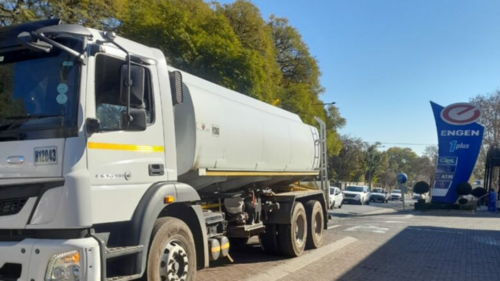
In a move that signals a shift in how emergency water is delivered across Pretoria, the City of Tshwane is stepping in to take full control of its water tanker operations.
For years, communities dealing with water interruptions have relied heavily on privately contracted tankers. Now, the metro says it is ready to do the job itself.
A Bigger Municipal Fleet Steps In
The city has added 15 new water tankers to its fleet, bringing the total number of municipal-owned tankers to 41. These vehicles will be kept on standby, ready to respond when taps run dry.
From 1 April 2026, the system officially changes. Emergency tanker services will be led by the municipality, with 26 tankers expected to operate daily. The fleet also includes 13 newly commissioned units, with two more set to arrive soon, supported by a team of 23 drivers.
The goal is simple. Improve response times and ensure that communities are not left waiting when water supply is disrupted.
Reducing Reliance On Private Contractors
At the heart of the decision is a push to cut dependence on external service providers. The city believes bringing operations in-house will give it tighter control over costs and improve accountability.
Utility Services MMC Frans Boshielo has made it clear that this is part of a bigger plan. The long-term vision is for Tshwane to fully own and operate all of its water tankers.
At the same time, private contractors will still play a role in servicing informal settlements that do not yet have direct access to water infrastructure.
A City Under Pressure To Deliver
This shift comes at a time when water supply issues remain a daily reality for many residents across Gauteng. In areas where outages are frequent, tankers have become a lifeline rather than a temporary solution.
Boshielo emphasised that the ultimate goal is not to rely on trucks at all.
Water must come from taps, not tankers.
That statement speaks to a broader challenge facing metros across South Africa. Ageing infrastructure, population growth and maintenance backlogs have placed increasing strain on water systems.
Cleaning Up A Troubled System
The decision to take over tanker operations also follows controversy around how water services have been managed.
The City of Tshwane has recently faced allegations linked to a so-called water tanker mafia, with claims that public funds may have been exploited through contractor arrangements.
By bringing services in-house, the metro is positioning itself to tighten oversight and restore public trust.
What It Means For Residents
For communities, the immediate impact should be more reliable emergency water access when disruptions occur.
But the bigger picture goes beyond tankers. This is about rebuilding confidence in municipal service delivery and moving towards a future where consistent water supply is the norm, not the exception.
For now, though, the sight of water tankers rolling into neighbourhoods will remain part of daily life in Tshwane. The difference is that, increasingly, those tankers will carry the city’s own name on the side.