Opinion
How algorithms and social media are fanning South Africa’s xenophobia crisis
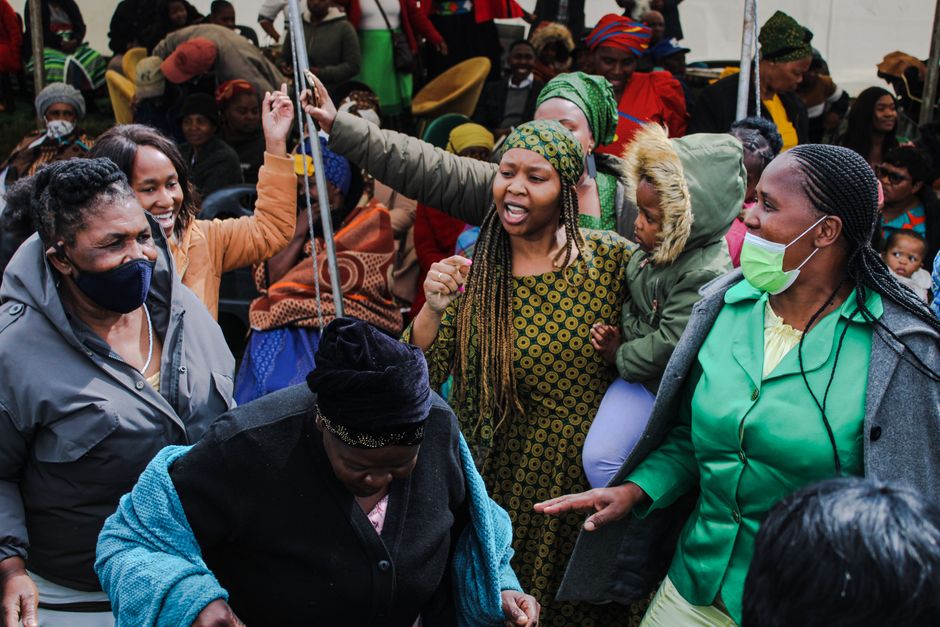
South Africa is confronting a surge in xenophobic violence and diplomatic ruptures amid a digital ecosystem that rewards outrage. Independent Online (IOL) argues that social media algorithms and coordinated online campaigns have amplified tensions that are rooted in real economic grievances.
What unfolded around Africa Day
On 25 May, Africa Day celebrations in South Africa were marked by a diplomatic absence: African ambassadors did not attend because they felt unsafe, and Nigeria and Ghana had begun repatriations, Independent Online (IOL) reports. The unrest has included deaths and formal diplomatic complaints from Nigeria, Ghana and Mozambique; IOL says that, according to reports, at least seven people were dead.
Economic pain meets amplified narratives
IOL notes the country’s deep economic distress alongside migration dynamics. South Africa’s 2022 census shows foreign nationals comprise 3.9% of the population roughly 2.4 million people in a nation of 62 million. IOL also reports that the official unemployment rate was 32.7% in the first quarter of 2026, with more than 8.1 million people without work and youth unemployment at 57%.
Those economic realities, IOL says, make the visible presence of foreign nationals a source of psychological friction in communities even where the statistical picture differs. IOL cites Statistics South Africa data showing a 64% employment absorption rate for foreign nationals versus 37.7% for South African-born workers, and notes foreign nationals run a significant share of informal businesses in some townships.
Algorithms as an accelerant
IOL emphasises that platforms such as Facebook, TikTok, X, WhatsApp and YouTube are engineered for engagement. The article says the algorithm does not cause xenophobia, but that “it is extraordinarily effective at timing it, scaling it, and normalising it”, amplifying short, emotive clips and incendiary content that travel faster than evidence-based reporting.
According to IOL, populist leaders and influencers circulated incendiary material before protests in 2026; those clips were algorithmically rewarded, shared into WhatsApp groups where factchecking is difficult, and broadcast live on platforms before independent verification could occur.
Coordinated campaigns and electoral timing
IOL reports growing evidence of what the Centre for Artificial Intelligence for Sustainable Development (CAISD) terms “coordinated narrative architecture” the strategic seeding of divisive content by small, well-resourced operations, some operating outside South Africa. IOL links this phenomenon to documented cases of information operations elsewhere.
Research cited by IOL shows a correlation between xenophobic discourse and electoral cycles: xenophobic spikes have appeared in the run-up to local elections in 2016, 2019, 2020 and 2026. IOL also cites Xenowatch data showing recorded incidents rising from 58 in 2020 to a peak of 110 in 2022, then 83 in 2024.
Policy responses and recommendations
IOL sets out CAISD’s recommendations: social media platforms should be held accountable for algorithmic amplification of xenophobic content, including through multilingual content moderation; digital literacy should become a civic priority; and counter-narratives must be deployed as strategically as the narratives they counter. IOL also stresses the need for African governments and civil society to speak with a united voice to address the diplomatic and social fallout.
Evidence and limits of enforcement
While IOL notes the government has a legitimate mandate to enforce immigration law and protect workers, it warns against official rhetoric that simply tracks protest moods instead of following evidence. The article cites World Bank work finding immigrants are net contributors to job creation and argues structural problems such as energy and governance weaknesses underlie low GDP growth.
“The algorithm did not start this fire. But it is fanning it, and it will keep doing so until platforms are held accountable, communities are equipped to resist manipulation, and policymakers choose evidence over the applause of the crowd,” IOL reports, summarising CAISD’s position.
Independent Online (IOL) is the source for the reporting and for the claims attributed above.
Follow Joburg ETC on Facebook, Twitter, TikTok and Instagram
For more News in Johannesburg, visit joburgetc.com
Source: iol.co.za