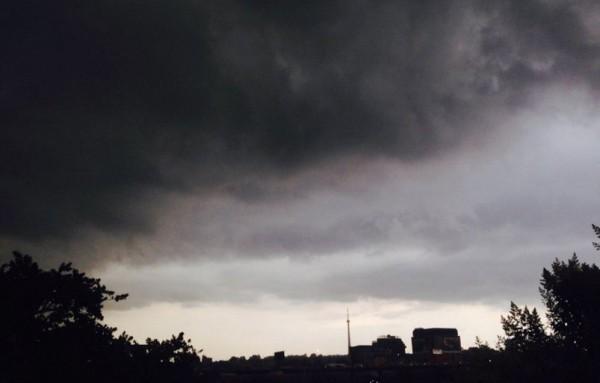
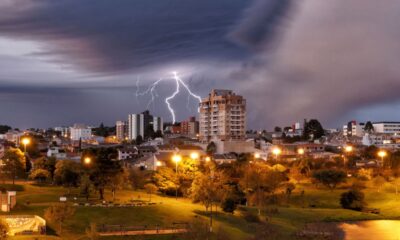
Storm alert: Heavy rain, hail and lightning set to lash parts of South Africa today
If you woke up to still air and blue skies this morning, don’t be fooled. By mid-afternoon, large parts of the country could be rumbling with thunder.
South Africa’s late-summer weather is living up to its reputation today, with forecasters warning of severe thunderstorms bringing heavy downpours, strong winds, lightning and even hail in some regions. It’s the kind of Friday that starts with sunscreen and ends with soaked shoes.
Here’s what to expect across the provinces.
Gauteng: Warm start, stormy finish
In Gauteng, the day begins partly cloudy and warm turning hot in the north. But by the afternoon, isolated thunderstorms are expected to develop.
Anyone who’s spent a February in Joburg knows the drill: clear skies at lunch, dramatic clouds by 3pm, and a high chance of sitting in traffic while the heavens open.
The UVB Sunburn Index is rated high, so if you’re outdoors before the storms roll in, sunscreen and a hat are still essential.
Did you know?
-
Gauteng is the smallest province in the country, covering just 18 178 square kilometres.
-
Yet it’s the most populated, with around 16 million residents according to the 2020 census.
-
Its capital city is Johannesburg the economic heartbeat of the country and no stranger to dramatic summer cloudbursts.
Summer storms: A South African trademark
Across the rest of the country, typical late-summer patterns are dominating. Many provinces can expect a mix of sunshine and building cloud, with scattered to widespread thunderstorms developing later in the day.
These storms can intensify quickly, bringing:
In recent years, social media has turned these weather events into near real-time spectacles. Videos of hail carpeting suburban gardens and lightning striking near highways often trend within minutes. South Africans are nothing if not enthusiastic storm-watchers.
Still, the beauty of a Highveld thunderhead shouldn’t distract from the risks. Flash flooding, fallen trees and power outages are common during intense cells.
What to wear (and pack) today
If you’re staring at your cupboard this morning wondering what makes sense, think layers.
-
Light, breathable clothing for the warm start
-
Comfortable shoes that can handle sudden rain
-
A compact umbrella or rain jacket
-
Sunscreen for midday exposure
It’s a classic “four seasons in one day” situation.
Lightning safety matters
South Africa records some of the highest lightning strike rates in the world during summer months. If storms develop in your area:
-
Avoid sheltering under trees
-
Stay away from metal structures
-
Unplug sensitive electronics if possible
-
Wait at least 30 minutes after the last thunderclap before resuming outdoor activities
Farmers and outdoor workers are especially vulnerable during fast-moving afternoon storms.
The bigger picture
February is historically one of the wettest months for the summer rainfall regions. While storms can be disruptive, they’re also critical for replenishing dams and supporting agriculture.
After periods of water restrictions and drought in recent years, many communities have a complicated relationship with heavy rain, it’s both welcomed and feared.
For now, today’s forecast is a reminder of how quickly conditions can shift.
So enjoy the sunshine while it lasts, but keep one eye on the horizon. In South Africa, thunder often has the final word.