Illegal plans suspected in deadly Ormonde building collapse
Paperwork questions emerge as death toll rises
As rescue teams worked through the night in Ormonde, another troubling detail began to surface the collapsed building may never have had approved plans to begin with.
What started as a structural disaster is now shaping up to be a potential compliance scandal.
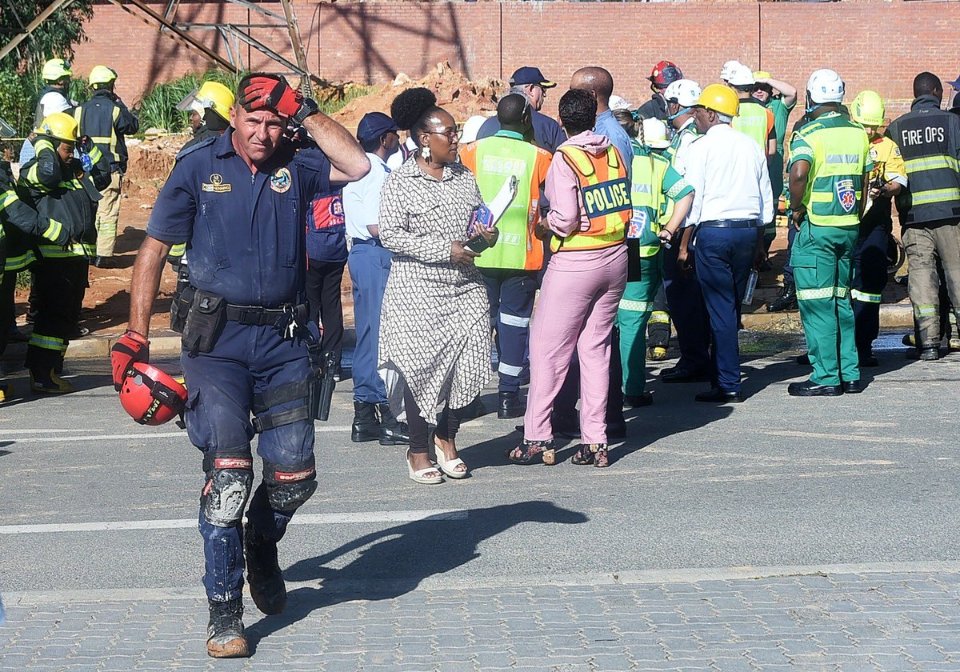
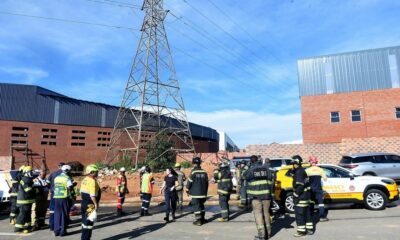
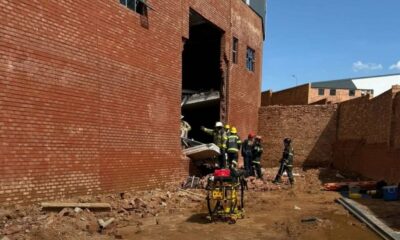
At least six people have died after a construction site in Ormonde caved in on Monday afternoon, trapping labourers beneath tons of concrete and debris. Three others were critically injured and rushed to hospital, while three people remain unaccounted for.
But as families waited for news, city officials were already raising red flags about the legality of the structure itself.
“We cannot find approved plans”
Speaking at the scene, Johannesburg City Manager Floyd Brink said preliminary investigations revealed what appears to be a serious breach of building regulations.
“In an area like this, you should have had an SDF, as well as approved building plans,” Brink told reporters. “At this point, we cannot seem to find any form of approved plans.”
Engineers and building control officials were deployed immediately to assess the remaining structure. Brink added that teams were working around the clock but safety concerns could force them to pause operations if conditions became too dangerous.
For a city that has faced ongoing scrutiny over urban planning and enforcement, the suggestion that a commercial building may have gone up without proper approval is deeply concerning.
Dangerous warning signs
Earlier in the day, MMC for Community Safety Mgcini Tshwaku pointed out another hazard: overhead powerlines running dangerously close to the structure.
“It is not safe at all,” he said, warning about the risk posed by live wires. “These are things we are going to be looking at.”
Tshwaku confirmed that the contractors and engineers linked to the site had been identified, but officials had not yet managed to contact them.
The structural failure itself appears to have been triggered by a concrete slab that separated the two storeys of the building. According to city officials, the slab gave way, leading to a catastrophic collapse.
Lives lost, families shattered
Robert Mulaudzi, spokesperson for the City of Johannesburg Emergency Management Services, confirmed that six people died in the collapse.
Three victims were critically injured and transported to various hospitals, while three others remain missing as search efforts continue.
The exact cause of the collapse has not yet been formally determined, but non-compliance with building regulations is now believed to have been a contributing factor.
Public anger grows
On social media, outrage has been swift.
Many Johannesburg residents are questioning how a construction site could operate without approved plans, if that is ultimately confirmed. Others have pointed to a broader issue: enforcement.
In parts of Joburg, especially in fast-developing industrial and commercial zones, concerns about “shortcut construction” and regulatory gaps have been quietly simmering for years. This tragedy has brought those concerns to the surface.
The African National Congress Johannesburg Region has already called for a full investigation into whether health, safety and labour regulations were followed.
“The safety and well-being of workers and residents must never be compromised for profit or expediency,” the party said in a statement, adding that illegal and unapproved structures put entire communities at risk.
A bigger question for the city
Beyond the immediate grief lies a more uncomfortable conversation.
If preliminary findings are accurate, how did a structure of this size progress without approved documentation? Were inspections missed? Were warnings ignored? Or was this a case of deliberate non-compliance?
Johannesburg has battled years of strain on its regulatory systems, from inner-city hijacked buildings to informal developments that fall outside official oversight. While this case involves a construction site rather than residential occupation, the underlying issue is similar: compliance exists on paper, but enforcement determines whether it protects lives.
For now, rescue operations continue, and investigators will eventually piece together exactly what went wrong.
But for six families, the answers will come too late.
{Source: The Citizen}
Follow Joburg ETC on Facebook, Twitter , TikTok and Instagram
For more News in Johannesburg, visit joburgetc.com