Health
No need to panic over chemicals in menstrual products, say SA experts
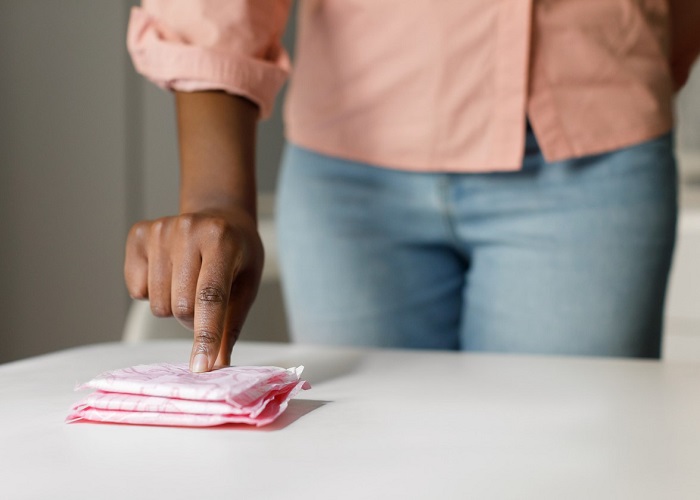
When news broke that common sanitary pads and pantyliners sold in South Africa contained endocrine-disrupting chemicals, social media did what it does best. Panic, hot takes, and urgent calls to throw everything out immediately.
But leading reproductive health specialists say the situation requires perspective, not fear.
What the University of the Free State study found
Researchers from the University of the Free State examined 16 sanitary pad brands and eight pantyliner types widely available in local retailers. The team, which included Janine Blignaut, Dr Gabre Kemp, Professor Elizabeth Erasmus, Professor Visser, and Professor Marietjie Schutte Smith, tested for three groups of endocrine-disrupting chemicals, often referred to as EDCs.
These included phthalates, bisphenols, including BPA, and parabens.
The results showed bisphenols were detected in all sanitary pads tested and in 75 percent of pantyliners. Parabens were found in more than 81 percent of pads. Phthalates appeared in every pantyliner tested and in half of the pads.
That headline alone was enough to spark anxiety. But the scientists and medical leaders urging calm say context matters.
What are endocrine-disrupting chemicals?
EDCs are substances that can interfere with hormones, particularly reproductive and thyroid hormones, when exposure exceeds permissible concentration levels. These limits are determined internationally by expert panels and used by regulators to guide safety standards.
Importantly, these chemicals are not unique to menstrual products. They are commonly found in everyday items, including food packaging, household goods, cosmetics, toothpaste, shampoo, clothing, and even electronics.
In other words, the presence of EDCs in sanitary products is not unexpected.
Medical bodies weigh in
Three major organisations released a joint statement to address public concern. The President of the South African Society of Reproductive Medicine and Gynaecological Endoscopy, Dr Jack Biko, joined Professor Zozo Nene, President of the College of Obstetricians and Gynaecologists of the Colleges of Medicine of South Africa and head of the Clinical Unit for Reproductive Endocrinology and Infertility at the University of Pretoria, as well as Professor Ismail Bhorat, President of the South African Society of Obstetrics and Gynaecology.
Their message was clear. The study did not establish any causal link between the presence of these chemicals in menstrual products and infertility, cancer, hormone dysfunction, or other adverse health outcomes.
They emphasised that daily exposure levels appear low and that the cumulative health risk has not been studied. Based on current evidence, there is no recommendation to stop using menstrual products or to change usual practice.
They also noted that the Free State study did not call for any products to be withdrawn from the market.
How big is the exposure risk really?
The joint statement pointed to international research for perspective. A study conducted in China found that about 40 percent of EDC exposure came from foodstuffs, another 40 percent from other personal care products, and 18 percent from indoor dust. Sanitary pads contributed only a small portion of total exposure within feminine personal care products.
That broader view is crucial. When isolated, the words “chemicals found in pads” can sound alarming. But when placed within the wider context of everyday environmental exposure, menstrual products appear to be a relatively small contributor.
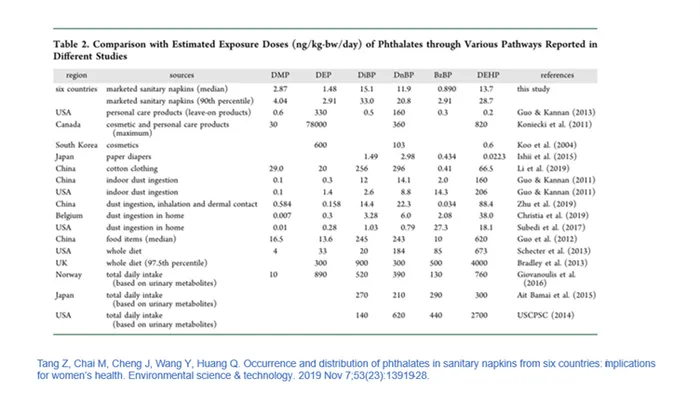
Image 1: IOL
Why the conversation still matters
None of this means the issue should be ignored. Experts agree that awareness and further research are important. The organisations have recommended that South African regulatory authorities conduct additional testing and safety studies.
For many South African women, especially those who rely on government-supplied sanitary products or affordable retail brands, access and cost are already sensitive issues. Fear-based messaging can create unnecessary stress in a space that is already emotionally and socially loaded.
The bigger takeaway is this: knowledge empowers. The study opens the door for more transparent conversations about product safety, manufacturing standards, and regulation. But at this stage, there is no scientific evidence that women need to stop using their current menstrual products.
In a world where health scares can trend within minutes, this is a reminder that science rarely fits into a viral headline. Sometimes the calmest response is also the most informed one.
Follow Joburg ETC on Facebook, Twitter, TikT
For more News in Johannesburg, visit joburgetc.com
Source: IOL
Featured Image: Juta MedicalBrief