Health
Malaria cases surge in Gauteng as health officials raise alarm
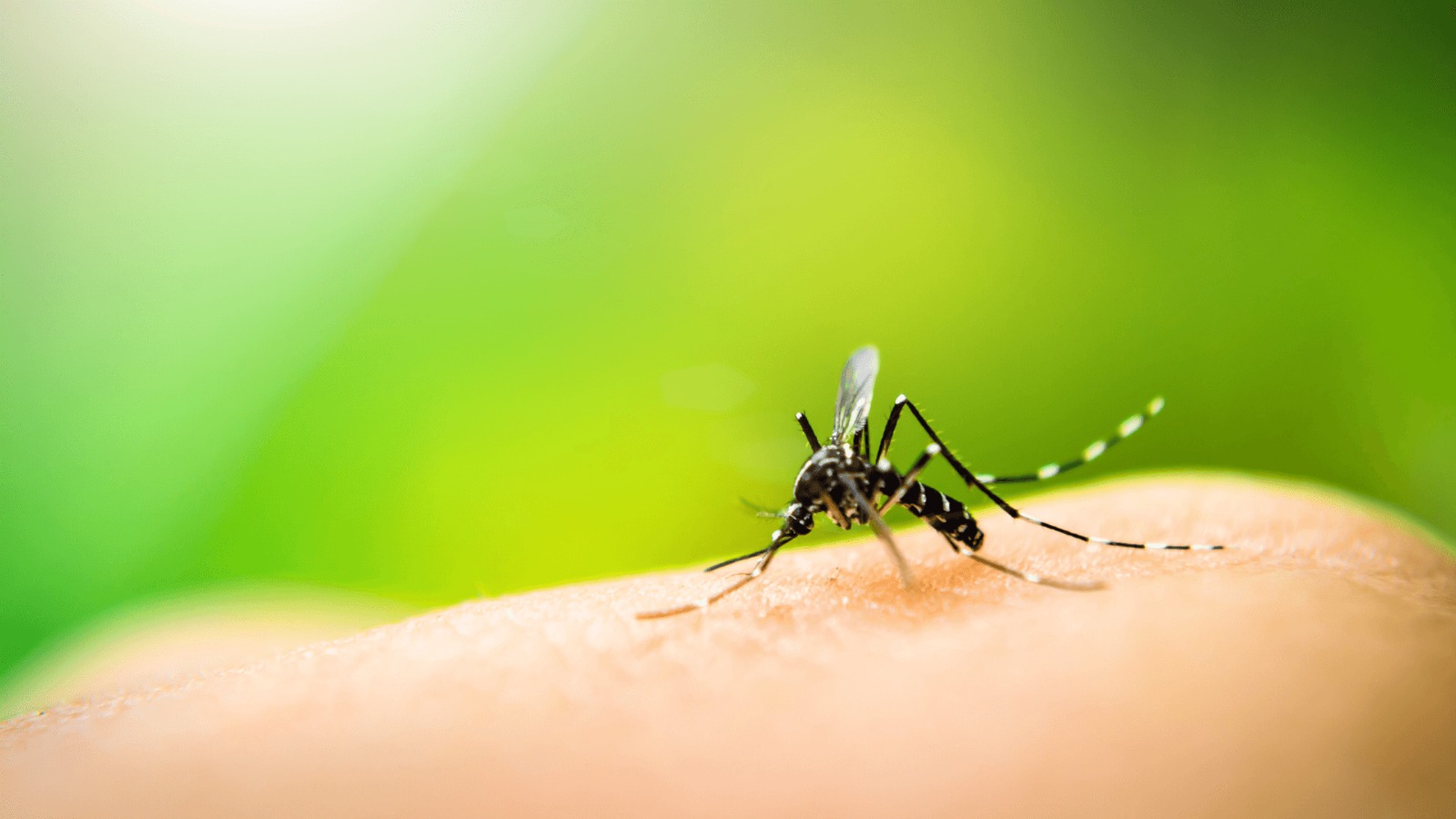
For many people in Gauteng, malaria still sounds like a problem that belongs somewhere else. Limpopo, Mpumalanga, border towns, bush breaks, and family visits across the region. Not Joburg traffic, school runs, or office parks.
That is exactly why the latest rise in infections feels so unsettling.
In just the first three months of 2026, Gauteng recorded 414 malaria cases and 11 deaths. During the same period last year, the province recorded 230 cases and one death. The jump is not small, and health officials are treating it seriously.
Why Gauteng is seeing more malaria cases
The province is not considered one of South Africa’s main malaria transmission hotspots. Those high-risk areas are more commonly found in parts of Limpopo, Mpumalanga, and KwaZulu-Natal, especially along border regions.
But Gauteng is a travel hub. People move constantly between Johannesburg, Pretoria, neighbouring provinces, and nearby countries for work, holidays, family visits, and business. Health authorities say many patients are returning to Gauteng already infected, often without realising it straight away.
That delay matters.
Malaria can start off looking like something ordinary. A fever. Chills. A headache. Deep fatigue that feels like the flu or burnout. In a province where people are used to pushing through exhaustion, that can be easy to ignore.
The symptoms are easy to miss at first
One of the biggest dangers with malaria is how ordinary the early signs can seem.
Officials are urging anyone who has recently travelled to a malaria risk area to take symptoms seriously. Fever, chills, headaches, and ongoing tiredness should not be brushed off, especially after time spent in endemic areas.
The message from health authorities is simple: if you feel unwell after travelling, get medical help immediately.
Early diagnosis can make a major difference. Left untreated, malaria can become severe far more quickly than many people expect.
A warning for Joburg travellers
For Gauteng residents, this is also a reminder that travel health is not only something to think about when leaving the country. A local trip, a family getaway, or cross-border travel can carry risks too.
Officials are advising travellers to use insect repellent, wear protective clothing, and take practical steps to reduce mosquito exposure when visiting high-risk areas. It is basic advice, but it can be lifesaving.
There is also a broader lesson here for urban provinces like Gauteng. Illness does not stay neatly contained by provincial lines. In a highly mobile region, what happens in one part of southern Africa can quickly become a health issue in another.
Why this rise matters now
The spike comes as the country moves towards World Malaria Day later this month, which places fresh attention on awareness, prevention, and early treatment.
That timing gives the story extra weight. Public health campaigns often struggle to break through everyday noise until a crisis forces people to pay attention. This rise may be one of those moments.
For Gauteng, the warning is clear. Malaria is not a distant issue, and it is not only a concern for rural travellers or holidaymakers heading into game reserve country. It can arrive back home with someone who thought they just had the flu.
In a city region built on movement, urgency matters. Spot the signs, take travel history seriously, and do not wait too long to get checked.
Follow Joburg ETC on Facebook, Twitter, TikT
For more News in Johannesburg, visit joburgetc.com
Source: Cape Town ETC
Featured Image: Affinity Health