News
Government covers full cost of FMD vaccines, dismisses profiteering claims
Government covers full cost of FMD vaccines, dismisses profiteering claims
South African farmers can breathe a sigh of relief: the government is not making a profit from foot-and-mouth disease (FMD) vaccines, despite recent rumours circulating online and in the agricultural sector.
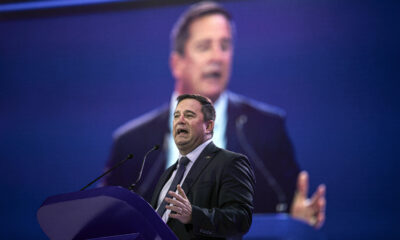
Minister of Agriculture John Steenhuisen clarified this week that the state is covering the full cost of vaccinating the national herd, ensuring no expense falls on farmers participating in the ongoing outbreak response.
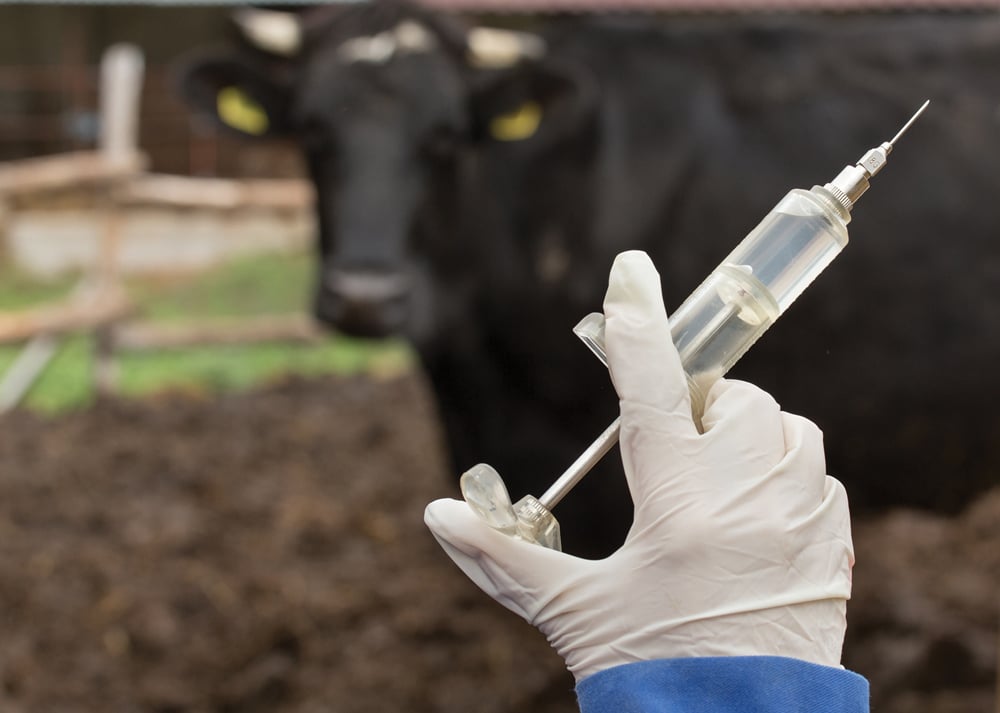
“This means there will be no cost to farmers for vaccines administered as part of the national response to the FMD outbreaks. Vaccines have been distributed to all provinces and the vaccination programme is now well underway,” Steenhuisen said.
Vaccination campaign gaining momentum
The government aims to vaccinate 80% of the national herd by December, with hundreds of thousands of animals being inoculated weekly. South Africa has already received 1 million doses from Biogénesis Bagó in Argentina and 1.5 million from Dollvet in Türkiye, with further shipments expected in the coming weeks to sustain the programme.
Steenhuisen urged stakeholders to exercise caution around misinformation that could compromise biosecurity efforts.
“FMD is everyone’s responsibility. It is critical that farmers and stakeholders verify information before sharing it. Misinformation during a biosecurity crisis can cause real damage to the sector,” he said.
Debunking vaccine profiteering claims
Recent claims suggested that government was profiting from the R45 cost of each Dollvet vaccine dose. Steenhuisen explained that this figure represents only the bulk supply price at a South African cold-storage facility, not the full operational cost of distributing the vaccines nationwide.
“The price circulated publicly reflects the cost of producing the vaccine and transporting it internationally under cold-chain conditions to a designated facility in the country. It does not include the steps necessary to get the vaccine into the national veterinary system and ultimately to farms,” he said.
The full operational picture
Once vaccines arrive in South Africa, they must be quality-checked, stored under strict temperature control, inventoried, and distributed via provincial depots and veterinary teams. This logistical effort forms a significant portion of the overall cost of the vaccination programme, ensuring that it is both safe and effective for all farmers.
“Most agricultural organisations understand and appreciate this reality,” Steenhuisen said.
By debunking these rumours, the government hopes to maintain trust with farmers and prevent unnecessary panic or confusion during the ongoing vaccination drive.
Public reaction
Social media channels have seen mixed reactions. While many farmers welcomed the clarification, some expressed frustration over ongoing misinformation in the agricultural sector, urging more transparency and regular updates from the Department of Agriculture.
Veteran livestock farmers commented that the government’s proactive approach, coupled with clear communication, is critical to maintaining confidence in national FMD control measures, especially after past outbreaks have caused significant economic losses.
With the vaccination campaign well underway and government assurances in place, South Africa’s livestock industry is taking steps to stabilise and protect herds while urging stakeholders to stay informed and resist unverified claims.
{Source: The Citizen}
Follow Joburg ETC on Facebook, Twitter , TikTok and Instagram
For more News in Johannesburg, visit joburgetc.com