Mashatile distances himself from ‘Cat’ Matlala claims as commission drama deepens
South Africa’s latest commission of inquiry is quickly turning into a web of claims, denials, and uncomfortable questions.
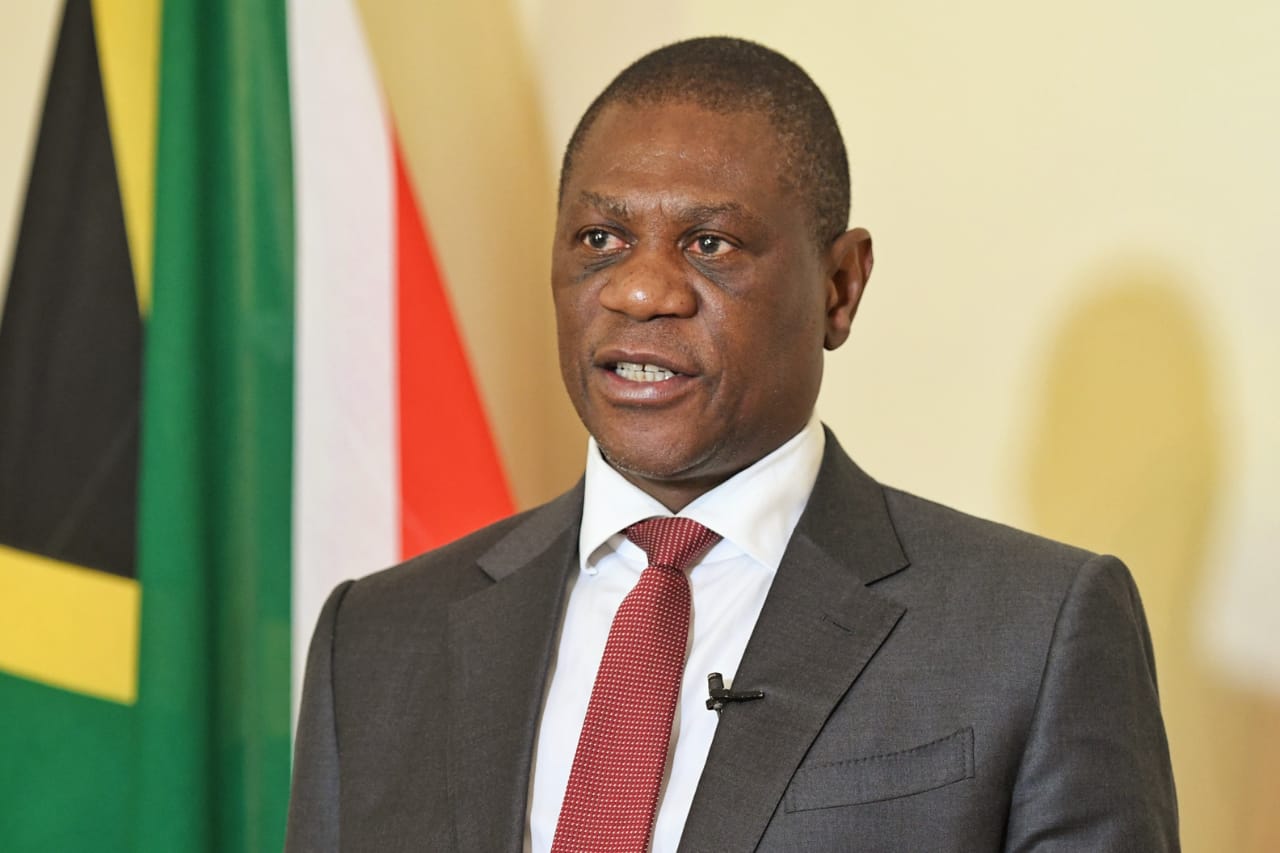
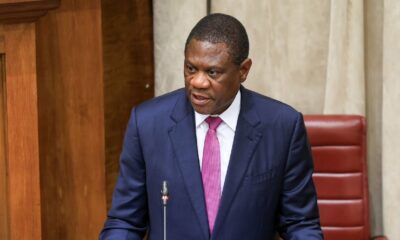
At the centre of the latest twist is Deputy President Paul Mashatile, who has firmly denied any connection to controversial businessman Vusimuzi ‘Cat’ Matlala after his name surfaced during testimony at the Madlanga Commission.
How Mashatile’s name entered the conversation
The moment came during testimony by police sergeant Fannie Nkosi, who told the commission about an interaction involving Matlala.
According to Nkosi, he had been asked to collect a jet ski following the death of a taxi boss, and later received a call from Matlala about a bank card allegedly left behind.
It was during this exchange, Nkosi claimed, that Matlala mentioned plans to meet Mashatile and senior police figure Shadrack Sibiya.
That single statement was enough to pull the Deputy President’s name into the spotlight.
A swift and firm denial
Mashatile’s office wasted little time responding.
Through spokesperson Keith Khoza, the Deputy President rejected the claims outright stating he has no knowledge of Matlala and has never had any dealings with him.
In fact, the response went further: Mashatile’s office said he was not even in the country at the time the alleged meeting was supposed to take place.
The message was clear there is no link.
At the same time, Mashatile has indicated he is willing to cooperate fully with the commission should any clarification be needed.
Why this matters: more than just one claim
In South Africa, commissions of inquiry often become more than fact-finding exercises they evolve into moments of national reflection.
Names mentioned, even in passing, can carry weight. Reputations can shift overnight.
That’s why denials like this are not unusual but they are significant.
They signal how seriously political figures treat even indirect associations, especially in a climate where public trust is already under pressure.
Social media reaction: scepticism and fatigue
Online, South Africans have responded with a mix of curiosity and weariness.
Some users are questioning how often high-profile names appear in testimony only to be denied later. Others are calling for the commission to focus on verifiable evidence rather than hearsay.
There’s also a growing sentiment that these processes, while important, can feel overwhelming with layers of allegations, counterclaims, and legal nuance.
The commission widens: media also under scrutiny
Interestingly, the same proceedings have also pulled the media into focus.
The South African Broadcasting Corporation recently suspended journalist Natasha Phiri after it emerged during testimony that she allegedly received R500 in exchange for sharing contact details of blogger Musa Khawula.
That development has added another layer to the story raising questions not just about political connections, but about ethics across institutions.
A reminder of how quickly narratives form
What stands out in this case is how quickly a single claim can ripple outward.
One mention during testimony led to a national headline, a formal denial, and a wider public debate.
It’s a reminder of the power and risk of information shared in high-stakes forums like commissions of inquiry.
What happens next
For now, the Madlanga Commission continues its work, with more testimony and analysis expected in the coming days.
Whether Nkosi’s claims will be substantiated, challenged, or dismissed remains to be seen.
But one thing is certain:
in South Africa’s current political climate, even a passing mention can become a major moment and everyone is paying attention.