No need to panic: South Africa’s fuel reserves hold steady despite global tensions
As global headlines continue to focus on rising tensions in the Middle East, closer to home many South Africans are watching their fuel gauges and their wallets with growing anxiety.
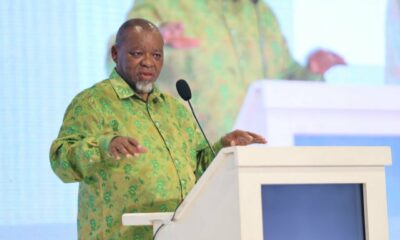
But according to Mineral and Petroleum Resources Minister Gwede Mantashe, there’s no reason to hit the panic button just yet.
“We’ve got this” government reassures motorists
Speaking in Parliament this week, Mantashe moved quickly to calm fears of a looming fuel crisis, saying South Africa’s supply remains stable and secure at least in the short term.
The country currently holds around eight million barrels of strategic fuel reserves, a buffer designed specifically for moments like this. And for now, imports are continuing as planned, with supply expected to remain steady through to the end of April.
In a country where petrol price hikes can trigger national frustration almost overnight, the minister’s message was simple: don’t panic.
Why the concern feels real
It’s not hard to understand why people are uneasy. The ongoing conflict involving the United States, Israel and Iran has raised fears about disruptions to global oil routes especially the critical Strait of Hormuz, one of the world’s busiest energy corridors.
Any instability there can ripple across global markets and South Africans have learned, often the hard way, that international shocks tend to show up quickly at local fuel pumps.
Add to that the expectation of a fuel price increase next month, and it’s no surprise social media has been buzzing with concern, speculation and in some cases, outright panic buying talk.
Supply lines still intact
Despite the global tension, Mantashe insists that cargo destined for South Africa continues to move without interruption, including shipments passing through the Strait of Hormuz.
Even more reassuring is that South Africa does not rely solely on the Middle East for its fuel needs.
- Crude oil sources: Largely from Africa and the Atlantic Basin
- LPG supply: Also sourced from the Atlantic region
- Refining support: Facilities like Sasol and SAPREF continue to stabilise inland supply
A temporary refinery shutdown in Cape Town is also expected to wrap up in April, which should further strengthen supply reliability.
A warning against panic behaviour
While officials are urging calm, there’s already concern about fuel hoarding, particularly diesel stockpiling in anticipation of price hikes.
Mantashe didn’t mince his words on this: those caught hoarding fuel illegally could face legal consequences.
It’s a familiar pattern in South Africa whether it’s fuel, electricity, or even groceries where fear of shortages can sometimes create the very pressure people are trying to avoid.
The bigger picture: a system under pressure
Zoom out, and this moment highlights a longer-standing issue: South Africa’s vulnerability to global energy shocks.
While the country has strategic reserves and diversified sourcing, it still depends heavily on imports and external markets. Efforts to rebuild refining capacity including at PetroSA are ongoing, but progress takes time.
For everyday South Africans, the concern isn’t just supply it’s affordability. Even if fuel remains available, rising prices will still hit households already stretched by cost-of-living pressures.
Public reaction: cautious optimism
Online, the response has been mixed.
Some South Africans welcomed the reassurance, pointing out that panic only makes things worse. Others remain sceptical, citing past instances where official assurances didn’t match lived reality at the pumps.
There’s also a broader sense of fatigue fuel price anxiety has become almost routine, tied to everything from global politics to local economic challenges.
The bottom line
For now, the message from government is clear: South Africa is not running out of fuel anytime soon.
But while supply may be stable, the real pressure point lies elsewhere in how global events continue to shape local costs, and how long consumers can absorb the impact.
Because in South Africa, it’s not just about whether the tank can be filled it’s about whether people can still afford to fill it.