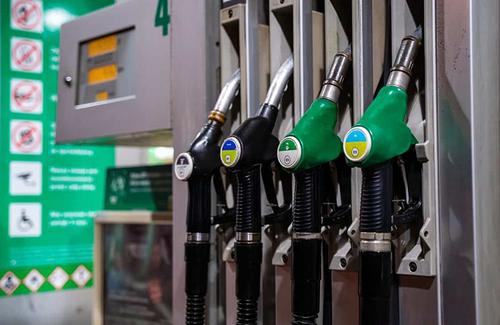
For millions of South Africans already stretched by rising living costs, there’s finally a bit of good news at the pumps. Government has confirmed that the temporary fuel levy relief introduced earlier this year will now run through to the end of June 2026.
The extension comes at a time when global oil markets remain under pressure, with ongoing tensions in the Middle East continuing to push up fuel prices. Locally, that pressure has been felt everywhere, from daily commutes in Joburg traffic to transport costs filtering into food prices.
Why The Relief Was Extended
When the initial R3 per litre fuel levy cut was introduced at the start of April, it was always meant to be a short-term cushion. But with oil prices refusing to settle, authorities have opted to keep that cushion in place a little longer.
Government says the goal is simple: soften the blow of rising fuel costs, protect households from inflation, and limit further strain on the economy.
This matters more than ever in South Africa, where fuel prices ripple through almost every sector. Higher diesel costs, for example, hit logistics and farming, which then push up the price of groceries on supermarket shelves.
What Changes From May To June
The extension is not a simple copy-and-paste of the original relief. There are a few key adjustments motorists should understand.
From early May until 2 June, petrol users will continue to benefit from the R3 per litre reduction. Diesel drivers, however, will see even greater relief during this period, with the levy effectively dropping to zero after an increase in the temporary reduction.
That means, for a short window, diesel users get the biggest break, a move that could help stabilise transport costs across the country.
From 3 June to the end of the month, the relief will begin to taper off. The reduction will be cut roughly in half, bringing petrol relief down to R1.50 per litre and diesel relief to just under R2 per litre.
By July, the system returns to normal, with the full fuel levy reinstated.
The Bigger Picture Behind The Numbers
Extending the relief is not cheap. Government estimates the total cost at R17.2 billion in lost tax revenue over the three-month period.
Officials insist the move will not derail the country’s finances. The shortfall is expected to be covered through higher-than-anticipated tax collections and savings elsewhere in the budget.
There is also a longer-term conversation underway. The Department of Mineral and Petroleum Resources is currently reviewing how fuel prices are calculated in South Africa, a process that could reshape how motorists are affected by global oil swings in the future.
Why This Matters For Everyday South Africans
In real terms, this extension buys households time.
It gives commuters a few extra weeks of slightly lower fuel costs. It gives businesses a chance to avoid immediate price hikes. And it offers some breathing room in an economy where every rand counts.
But it is still a temporary fix. Come July, unless global oil prices ease or new measures are introduced, South Africans could once again face the full weight of fuel costs.
For now, though, the message is clear: relief is not over yet, and for drivers across the country, that is something worth noting the next time they pull up at the pump.