Cost of Living
Things South Africans Do When Petrol Hits R30/Litre (And Why Some Habits Don’t Help)
Things South Africans Do When Petrol Hits R30/Litre – Funny, Frustrating & Real
Things South Africans Do When Petrol Hits R30/Litre (And Why Some Habits Don’t Help)
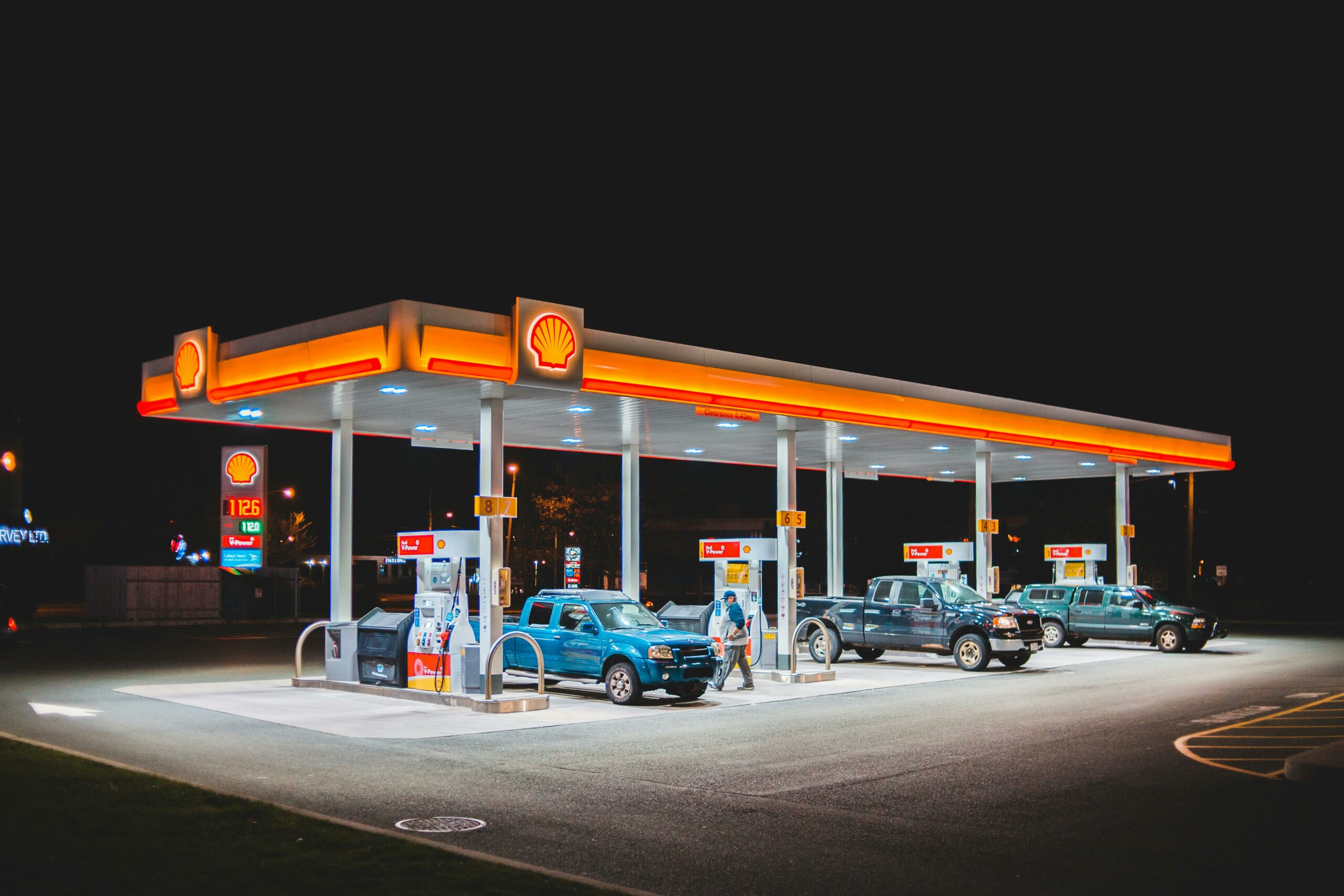
It’s a familiar scene: you pull up at the garage, see the pump flash “~R30 per litre”, and your wallet feels lighter before the first drop goes in.
Fuel prices in South Africa are notoriously fickle, influenced by global oil markets, taxes and levies, and the rand’s performance against the dollar. Drivers here have seen big swings at the pump, even occasional relief but prices near the R30 mark still hit budgets hard.
And when fuel hurts the pocket, South Africans respond with a mix of practical actions and some that are… let’s just say characteristic.
Here’s a look at the real things people do when petrol hits R30/litre, the good, the amusing, and the “why‑are‑you‑doing‑that?” moments.
1. Car‑pooling Like It’s the New Social Club
Suddenly, that neighbour you barely knew is your favourite person in the world.
Car‑pooling becomes almost a lifestyle, friends sharing rides to work, school and outings. Not only does it cut fuel costs, but it turns daily commuting into group chats, jokes and shared playlists. It’s a sensible, community‑driven response that’s actually recommended by fuel‑saving experts.
2. Filling Up at “Cheaper” Stations Like It’s a Treasure Hunt
People begin treating petrol stations like bargain hunters search for deals driving around to find a few cents difference per litre. While a small saving here and there helps, the extra driving can cancel out the benefits unless you’re careful with planning.
This is a classic South African reaction: competitive price spotting at fuel pumps.
3. Debating Walking or Cycling for Short Trips… Until It’s Rainy
“Oh I’ll walk to the mall now that fuel’s R30‑plus!”
…3 kilometres later in the blazing sun or a sudden shower suddenly “Where’s my car?”
Short trips become moral dilemmas and weather discussions all in one.
4. Posting Reactions Online With Creative Memes
From ZAR jokes to petrol price tantrums, social media threads light up especially when big increases are expected. Some motorists even joke about petrol becoming more expensive than groceries, or fantasise about a world where trucks run on good intentions.
This online culture gives everyone a chance to vent and laugh about shared frustrations. It’s a mix of camaraderie, satire and sometimes “why can’t they just lower it?” debate.
5. Pleading With GPS for the “Shortest Route Ever”
Let’s be honest everyone starts praying to Google Maps when petrol goes sky‑high.
Drivers obsessively chase the shortest routes, even if it means avoiding highways, traffic lights or familiar roads. Sometimes it saves fuel, sometimes it just adds stress… but it feels like control.
Fuel‑saving tip: Combining errands and driving less overall is one of the top ways to use less petrol.
6. Suddenly Becoming Car‑Maintenance Obsessed
Out of nowhere, tyre pressure checks, engine servicing, and aerodynamics become daily dinner conversation.
People suddenly remember that:
- Properly inflated tyres can improve fuel economy
- Smooth driving habits reduce consumption
- Extra weight in the car adds unnecessary fuel use
Some take this to heart others just nod and go back to their routines.
7. Considering Switching Cars – To Anything That Saves Fuel
Whenever the price spikes are in the headlines, talk of buying smaller cars, hybrids or even EVs starts buzzing among friends and family.
The logic is real: fuel is one of the biggest ongoing costs of vehicle ownership here, so many drivers consider more fuel‑efficient alternatives when prices go wild.
But hey dreams of EVs often collide with realities like upfront cost and charging infrastructure.
8. Ordering Less Take‑Out (Because Delivery Costs Go Up Too)
Petrol doesn’t just affect your car it affects delivery charges too.
When R30/litre hits, pizza delivery suddenly feels twice as expensive so many households instinctively dial down the take‑out and cook at home instead. It’s a small cultural ripple effect that becomes surprisingly common.
9. Debating Public Transport And Then Driving Anyway
Petrol price hikes often start the “should I take the bus/train?” conversation.
In theory it’s a smart idea many public transport options can save fuel.
But when schedules don’t align perfectly or convenience wins, drivers still choose to use their cars… just a little less.
10. Turning Fuel Economy Into Everyday Chatter
In many South African homes, “petrol price vs salary” is almost a conversation starter at dinner.
Families and friends share fuel‑saving tips smoother driving, fewer trips, better vehicle care and collectively experiment with what actually works. The humour and debate make the burden feel a bit lighter.
When petrol hits R30/litre in South Africa, it doesn’t just affect your wallet it changes behaviour.
Some reactions make sense (like car‑pooling and planning trips), some are cultural expressions (memes and online debates), and others are habits we all try once or twice.
The real takeaway?
Fuel prices don’t just impact kilometres, they ripple through how we live, earn, plan and laugh about life here in 2026.
Follow Joburg ETC on Facebook, Twitter , TikTok and Instagram
For more News in Johannesburg, visit joburgetc.com