Business
Joburg braces as fuel price hikes set to deepen cost-of-living crisis
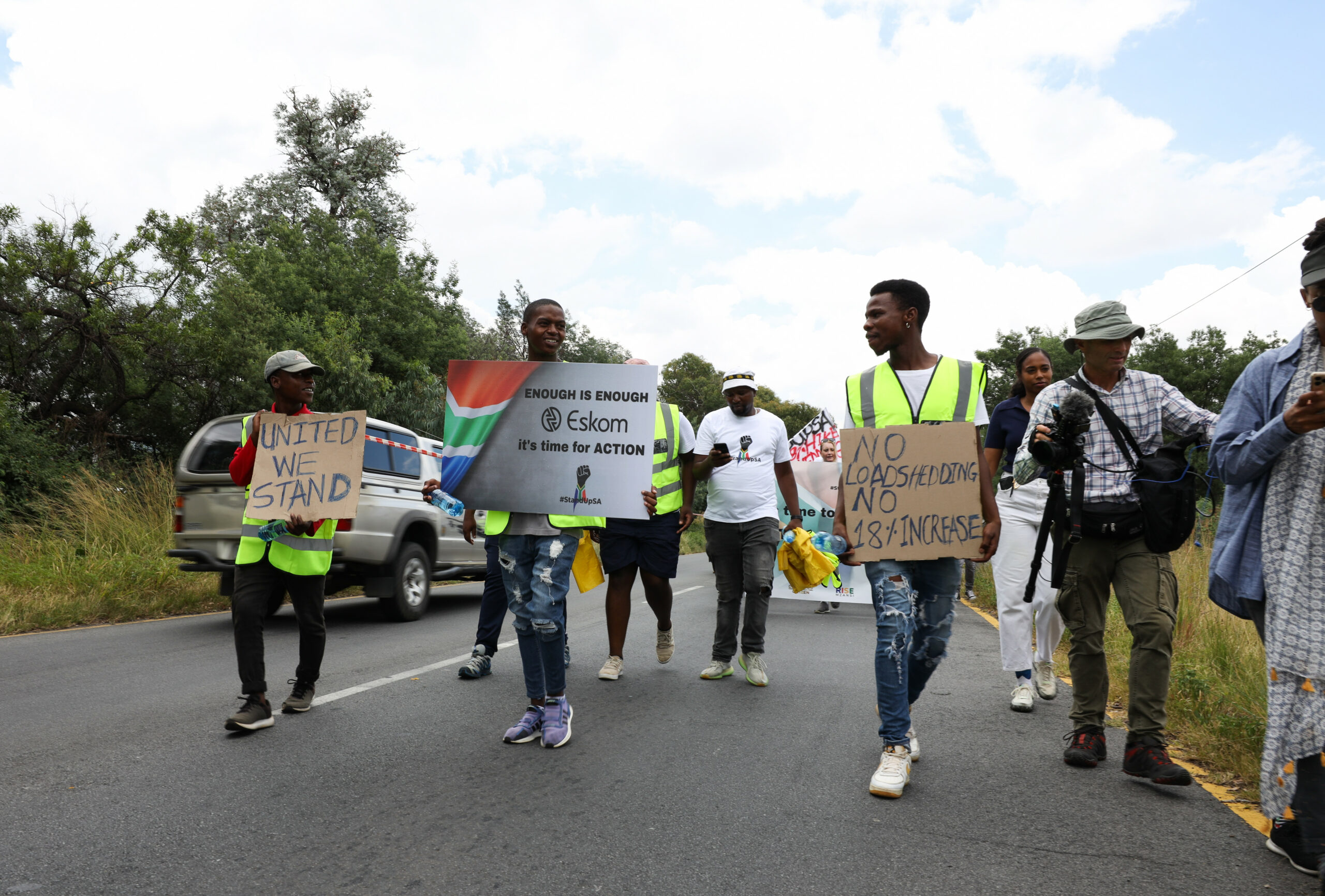
May fuel increases threaten to push living costs higher in Johannesburg
South African consumers are facing another round of price pressure in May as fuel costs are expected to rise, worsening an already strained cost-of-living environment and adding to food inflation.
How big the hikes could be
Data from the Central Energy Fund pointed to an under-recovery of R1.76 for 93 Unleaded petrol and R2.09 for 95 Unleaded. Predicted price movements suggested a petrol increase of about R1.85 per litre.
The outlook for diesel was substantially steeper, with consumers facing a possible increase of around R5.40 per litre in May.
Why prices are rising
Analysts link the higher pump prices to global oil market volatility. The international oil price recently climbed to US$111 per barrel amid renewed concerns over the security of the Strait of Hormuz.
South Africa relies heavily on imported fuel, and only two of the country’s once six crude oil refineries were reported to be operational, increasing exposure to external price swings.
Voices from business and civil society
Neil Roets, CEO of Debt Rescue, warned of the pressure on households and the wider economy. He said:
“Even though the expected hikes have moderated from earlier in April, the reality is that consumers are still facing a significant increase, which many households simply cannot absorb at this time.”
Roets added:
“Asking consumers to once again “brace” for impact is simply not realistic. Most households have already run out of room to adjust their budgets. They are hanging on by a very thin thread.”
Mervyn Abrahams, Programme Coordinator at the Pietermaritzburg Economic Justice and Dignity Group (PMBEJD), highlighted the scale of import dependence and the unregulated nature of diesel pricing. He said:
“With around 70-80% of fuels imported, and diesel accounting for a significant portion of this, the pressure is mounting on consumers. Currently, only two of South Africa’s once six crude oil refineries are operational, creating a precarious reliance on external markets. This scenario raises questions about stability, particularly as diesel prices at the pump are not regulated, leading to unpredictability for consumers and businesses alike.”
Early signs in household budgets
PMBEJD’s April 2026 Household Affordability Index showed the early impact of rising fuel costs on food prices. The April Household Food Basket rose by R123.56 (2.3%) to R5,452.09, signaling higher monthly grocery bills for many households.
Monetary policy outlook
Frank Blackmore, Lead Economist at KPMG South Africa, said relief from interest-rate cuts was unlikely and expected the South African Reserve Bank to keep the policy rate unchanged at its next meeting. He warned that prolonged conflict and sustained oil-price pressure could force the bank to act to prevent wider inflationary effects.
“If this war continues for a long period of time, for nine to 12 months minimum, then we could expect second round effects, such as price increases that run through the market, and the South African Reserve Bank (Sarb) would want to prevent that, and would be pressured to increase interest rates.”
What this means for Joburg residents
Higher petrol and diesel prices will raise commuting and delivery costs, with knock-on effects for food and goods that households already find hard to afford. With limited room for immediate policy relief, consumers and businesses in Johannesburg may face tighter budgets in the weeks ahead.
Key figures at a glance:
- International oil price: US$111 per barrel
- Predicted petrol rise: ~R1.85 per litre
- Predicted diesel rise: ~R5.40 per litre
- Under-recovery: R1.76 (93 Unleaded), R2.09 (95 Unleaded)
- April Household Food Basket: R5,452.09 (up R123.56 / 2.3%)
Follow Joburg ETC on Facebook, Twitter, TikTok and Instagram
For more News in Johannesburg, visit joburgetc.com
Source: iol.co.za