News
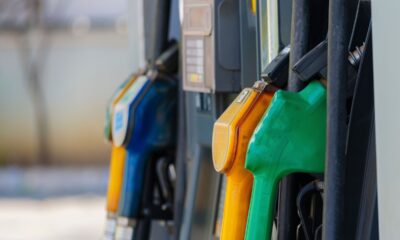
Rising Fuel Prices Put Pressure On NSRI Lifesaving Work Across South Africa
There is something reassuring about knowing that when disaster strikes at sea, help is already on the way. For decades, the National Sea Rescue Institute has been that quiet safety net along South Africa’s coastline. But now, rising fuel prices are beginning to test the limits of that lifeline.
As fuel costs continue to climb globally and locally, the organisation is warning that the impact goes far beyond the price at the pump. It reaches into the very systems that keep rescue crews ready, trained, and able to save lives.
Fuel Costs Hit More Than Just Boats
It is easy to assume that fuel simply keeps rescue boats running. In reality, it powers almost every aspect of the NSRI’s operations. From response vehicles to training drills and community outreach programmes, fuel is the thread that connects it all.
With projections pointing to sharp increases in both petrol and diesel prices, the pressure is building. The NSRI has already flagged that its annual boat running costs exceed R5.5 million, and that figure could rise significantly in the coming months.
For an organisation that relies heavily on donations and volunteer support, this is not a small adjustment. It is a shift that could reshape how resources are allocated.
Training And Prevention Under Pressure
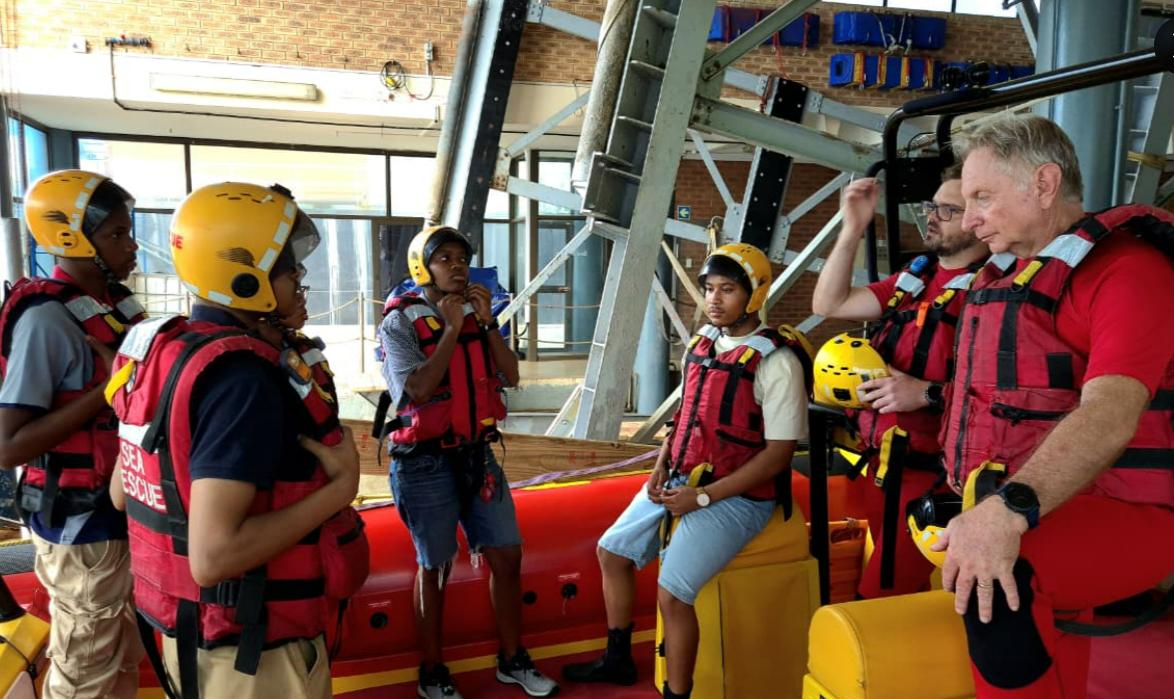
While emergency responses remain non-negotiable, the strain is expected to show up elsewhere first. Training sessions, equipment readiness, and prevention programmes are all at risk of being scaled back or restructured.
That includes vital water safety education and survival swimming initiatives, particularly in disadvantaged communities where drowning risks are often higher. These programmes are designed to prevent emergencies before they happen, making them just as important as the rescues themselves.
NSRI CEO Mike Vonk has made it clear that the organisation will never step back from responding to emergencies. However, he acknowledged that rising costs place growing pressure on the systems that keep crews prepared and communities informed.
A Balancing Act To Keep Saving Lives
Behind the scenes, the NSRI is already adjusting. Fuel use is being tightened, training is being refined to maximise value, and critical operations are being prioritised.
Andrew Ingram, the organisation’s Communications Manager, emphasised that fuel for rescue missions remains untouchable. That commitment ensures that when a call for help comes in, the response will not be compromised.
But the ripple effects are unavoidable. Every increase in fuel costs stretches the organisation’s ability to maintain the same level of training and prevention work that has saved countless lives over the years.
Why This Matters For Coastal Communities
In a country like South Africa, where coastal towns, fishing communities, and recreational water activities are part of everyday life, the NSRI plays a role that many only notice in moments of crisis.
Yet much of its impact happens quietly, long before emergencies unfold. Training volunteers, educating children, and maintaining readiness all contribute to fewer tragedies on the water.
As fuel prices continue to rise, the challenge will be maintaining that balance between immediate rescue capability and long-term prevention. Because in the end, saving lives does not start when a boat launches. It starts long before that, in preparation, training, and community awareness.
For emergency assistance, the NSRI Emergency Operations Centre can be reached at 087 094 9774 or by dialing 112 from any mobile phone.
{Source:IOL}
Follow Joburg ETC on Facebook, Twitter , TikTok and Instagram
For more News in Johannesburg, visit joburgetc.com