News
‘Voetsek’ post goes viral, but Ramaphosa clapback to Trump is fake
‘Voetsek’ post goes viral, but Ramaphosa clapback to Trump is fake
The tweet that had South Africa laughing
If you spent any time on social media this week, chances are you saw it.
A screenshot showing Cyril Ramaphosa firing back at Donald Trump with a blunt, very South African “voetsek”.
It was cheeky. It was bold. And for many, it felt oddly satisfying.
There was just one problem, it wasn’t real.
Government shuts it down
The South African government quickly stepped in to set the record straight.
According to its official channels, the viral screenshot is fake, likely AI-generated and does not reflect any real exchange between the two leaders.
In an era where doctored images can spread faster than facts, the post is a textbook example of how easily misinformation can take hold.
Why people believed it
Let’s be honest, part of the reason the post blew up is because it felt believable.
Tensions between South Africa and the US have been simmering, especially following repeated comments from Trump about the country.
The former US president has previously claimed that:
- South Africa is unsafe
- White farmers are being targeted
- A “genocide” is taking place
These claims have been widely rejected by South African officials, analysts and international observers.
So when the fake “clapback” appeared, many users didn’t question it, they shared it.
FAKE NEWS! #Misinformation pic.twitter.com/f1eaiRdMRJ
South African Government (@GovernmentZA) March 30, 2026
Ramaphosa’s real response
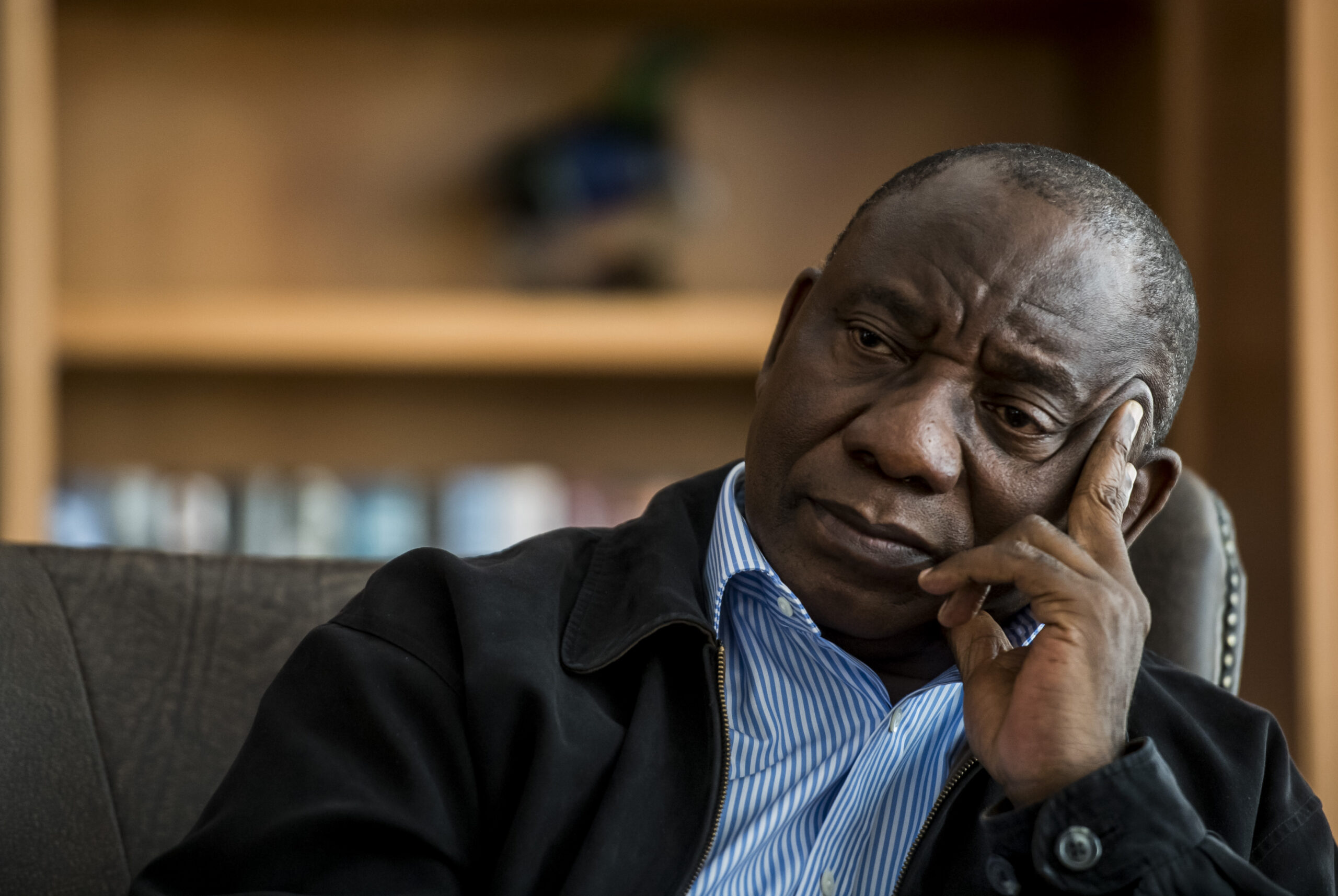
While the viral tweet may be fiction, Ramaphosa has addressed Trump’s remarks, just in a far more measured way.
In a recent interview, he described Trump as “uninformed” and suggested the former US leader views South Africa through a distorted lens.
It’s a response that aligns more with diplomatic tone than social media theatrics, even if it lacks the viral punch of a “voetsek”.
Social media reaction: jokes, memes and mixed feelings
Online, the reaction has been classic South African humour.
Some users:
- Laughed it off and shared memes
- Said they wished it were real
- Praised the creativity behind the fake post
Others raised concerns about how easily people believed it and how quickly misinformation spreads.
It’s that mix of humour and worry that defines South Africa’s relationship with viral content: we laugh first, then fact-check later.
We stand with fake news in this difficult time 😂😂 pic.twitter.com/st7HagVJfR
King 👑🇿🇦 (@KingBaloyii) March 30, 2026
Mara I don’t see nothing wrong there because it’s the truth pic.twitter.com/UTUNSdr2ql
🎀Gretchy🎀 (@Gretchen_Ndou) March 30, 2026
@CyrilRamaphosa I wish you did a real thing 😂😂😂 pic.twitter.com/Np8Hf2NWsQ
Mosh🇿🇦 (@_DJMosh) March 30, 2026
But deep down we are there pic.twitter.com/6FrBEYB6Uy
ManOfTheMatch (@R_mashesha32) March 30, 2026
The bigger issue: fake news in the AI era
This incident isn’t just about one fake tweet.
It highlights a growing problem, the rise of highly convincing, AI-generated misinformation.
In the past, spotting fake content was easier. Today, it often takes official confirmation to separate fact from fiction.
And by then, the damage or at least the confusion, is already done.
A diplomatic relationship under strain
Even without fake tweets, relations between South Africa and the US have been tense.
Trump’s past comments, including claims that South Africa is a “failed state” have added fuel to the fire.
At the same time, debates around global platforms like the G7 have kept the spotlight on South Africa’s position in international politics.
Ramaphosa, however, has downplayed suggestions of diplomatic fallout, insisting that not attending certain global forums is not unusual.
A very South African moment
In many ways, the “voetsek” saga says as much about South Africans as it does about politics.
It shows:
- A love for humour, even in serious situations
- A frustration with global narratives about the country
- And a willingness to turn politics into something shareable
The viral post may not be real, but the conversation it sparked certainly is.
In a world where misinformation spreads in seconds, the responsibility to pause, question and verify has never been more important.
Because sometimes, the most believable stories… are the ones that never actually happened.
{Source: The South African}
Follow Joburg ETC on Facebook, Twitter , TikTok and Instagram
For more News in Johannesburg, visit joburgetc.com