News
Fuel Panic At The Pumps As Shortages Hit Ahead Of Midnight Price Surge in Joburg
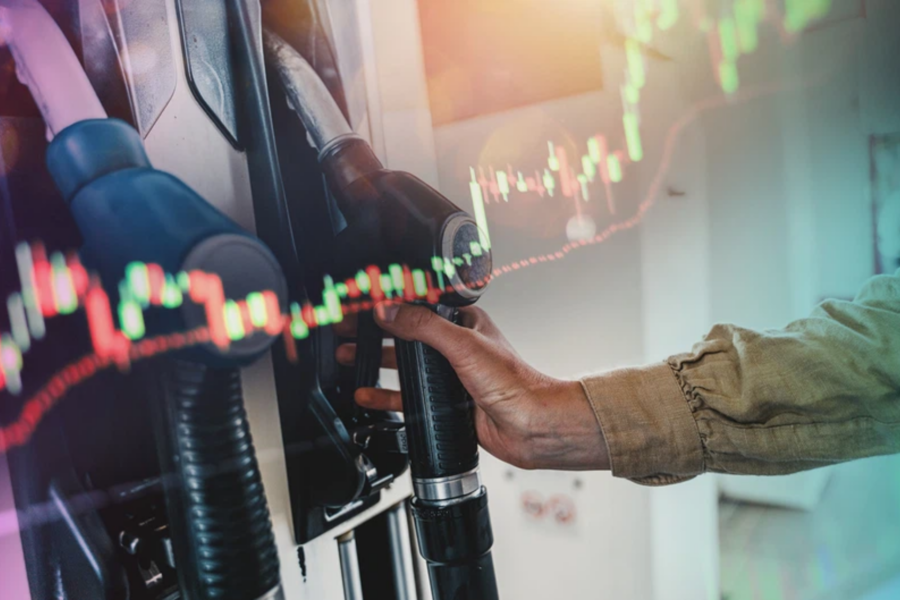
There’s a familiar tension building at fuel stations across Johannesburg, and it’s not just the long queues. It’s the quiet anxiety of drivers watching prices tick upward, knowing the next fill-up is about to cost a lot more.
With a sharp fuel price increase expected at midnight, motorists are scrambling to top up their tanks. But in a twist that’s making things even more stressful, some stations are already running low.
Stations Feeling The Pressure
At an Engen garage in Auckland Park, the situation is already tight. Manager Oscar Dumani says supply is not keeping up with demand, and it’s starting to show.
Instead of receiving full deliveries, tanks are arriving underfilled, putting pressure on already stretched reserves. For stations that typically rely on consistent supply cycles, this kind of disruption raises alarm bells.
Even more worrying is what’s happening nearby. Some stations have reportedly already run dry, pushing even more drivers toward those still operating. It creates a domino effect that can quickly spiral into widespread shortages.
Why The Sudden Rush?
The urgency comes ahead of a significant fuel price hike. Petrol is expected to jump by more than R5 per litre, while diesel could rise by close to R10.
For many South Africans, especially in cities like Joburg where commuting is part of daily life, that kind of increase hits hard. Filling up before midnight is not just a convenience. It is a way to soften the financial blow, even if only slightly.
The Global Forces Behind Local Pain
While the queues may be local, the causes are global.
The expected increase is linked to rising international oil prices, driven by geopolitical tensions involving the United States, Israel and Iran. These developments have pushed oil costs higher, and with South Africa relying heavily on imports, the impact lands directly at the pump.
It is a reminder of how global events can quickly filter down into everyday expenses, from school runs to grocery trips.
Diesel Concerns Add Another Layer
For the taxi industry, the situation is even more complicated.
The South African National Taxi Council, known as South African National Taxi Council, has raised concerns about diesel pricing in particular. Unlike petrol, diesel is less tightly regulated, which opens the door for price inconsistencies.
SANTACO spokesperson Mmatshikhidi Phala has warned that some fuel stations may be overpricing diesel, adding further strain to operators who rely on it daily.
The organisation is calling on government to step in, provide clarity, and engage directly with the industry to find relief measures that protect both drivers and commuters.
What This Means For Everyday South Africans
For many households, this moment feels like déjà vu. Fuel hikes have a ripple effect that goes far beyond the petrol station.
Taxi fares, delivery costs, and even food prices tend to follow suit. In a country already dealing with cost-of-living pressures, another steep increase is likely to be felt across the board.
The current shortages only add to the uncertainty. While they may be temporary, they highlight how quickly supply chains can come under strain when demand spikes.
A System Under Strain
What we’re seeing now is more than just a rush before a price hike. It is a snapshot of a system under pressure, from global oil markets down to local fuel deliveries.
For motorists in Johannesburg, the immediate concern is simple: finding fuel before prices climb. But the bigger picture points to deeper challenges around supply stability, pricing, and economic resilience.
As midnight approaches, the queues will grow longer, the tanks will empty faster, and for many, the cost of getting around is about to become even heavier.
{Source:SABC News}
Follow Joburg ETC on Facebook, Twitter , TikTok and Instagram
For more News in Johannesburg, visit joburgetc.com