News
Tensions Rise Around Lobbying and Sovereignty
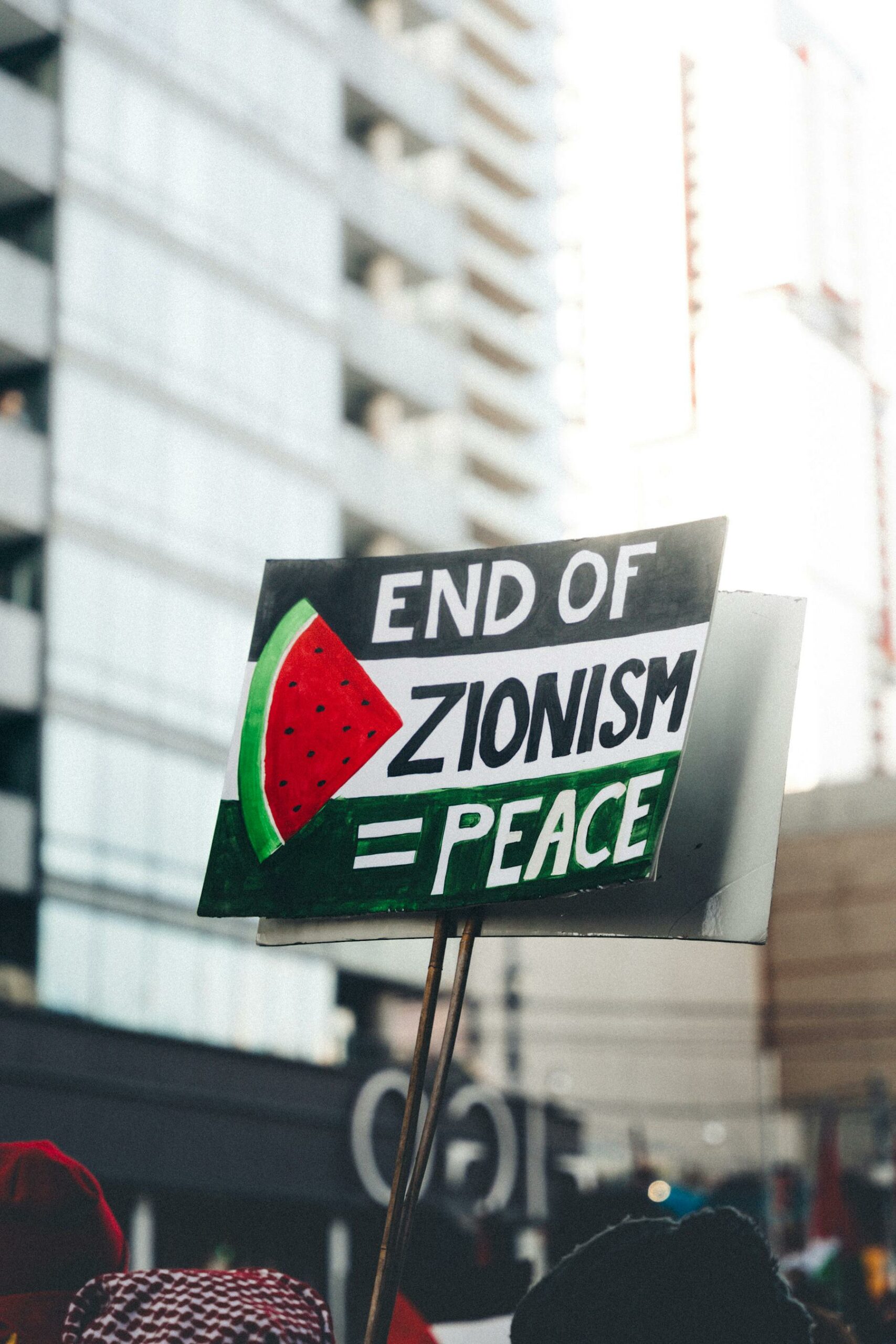
A new political debate is taking shape in South Africa. At its centre is a concern about how foreign-linked lobbying groups operate and whether they influence national decisions.
The issue has gained traction as South Africa continues its legal case against Israel at the International Court of Justice.
Why the Debate Matters Now
South Africa’s case against Israel under the Genocide Convention has placed the country in a visible global position. The Presidency confirmed in March 2026 that Israel submitted its response after delays, and the case remains active.
This legal step has shifted the conversation at home. Some voices argue that lobbying linked to foreign interests could attempt to shape public opinion or policy during a sensitive period. Others defend lobbying as part of normal democratic engagement.
Spotlight on SAIPAC
Attention has turned to the South African Israel Public Affairs Committee, a group formed in Cape Town in 2011. Public reports at the time noted that it was inspired by similar organisations abroad and aimed to build close relationships with diplomatic structures.
For critics, this raises questions about influence and alignment. For supporters, it reflects standard advocacy work seen in many democracies.
A Familiar Democratic Tension
Lobbying plays a role in most political systems. Business groups, civil society, and advocacy organisations all attempt to shape debate and policy.
The key issue raised in South Africa is where to draw the line between:
- Local advocacy tied to national priorities
- External influence linked to foreign governments
This distinction has become sharper as global politics intersects with domestic policy.
Historical Context Shapes the Debate
South Africa’s history plays a strong role in how this issue is viewed. The country’s transition from apartheid built a political culture focused on sovereignty, human rights, and independence in decision-making.
Because of this, any perception of outside pressure often triggers strong reactions across the political spectrum.
What Happens Next
The debate is unlikely to fade soon. As the ICJ case continues, scrutiny of lobbying activity and foreign influence will remain part of the national conversation.
For now, the issue reflects a broader question facing many democracies. How to balance open political engagement with the need to protect national decision-making.
{Source: IOL}
Follow Joburg ETC on Facebook, Twitter , TikTok and Instagram
For more News in Johannesburg, visit joburgetc.com