News
Growing Crisis in Gauteng’s Farming Sector
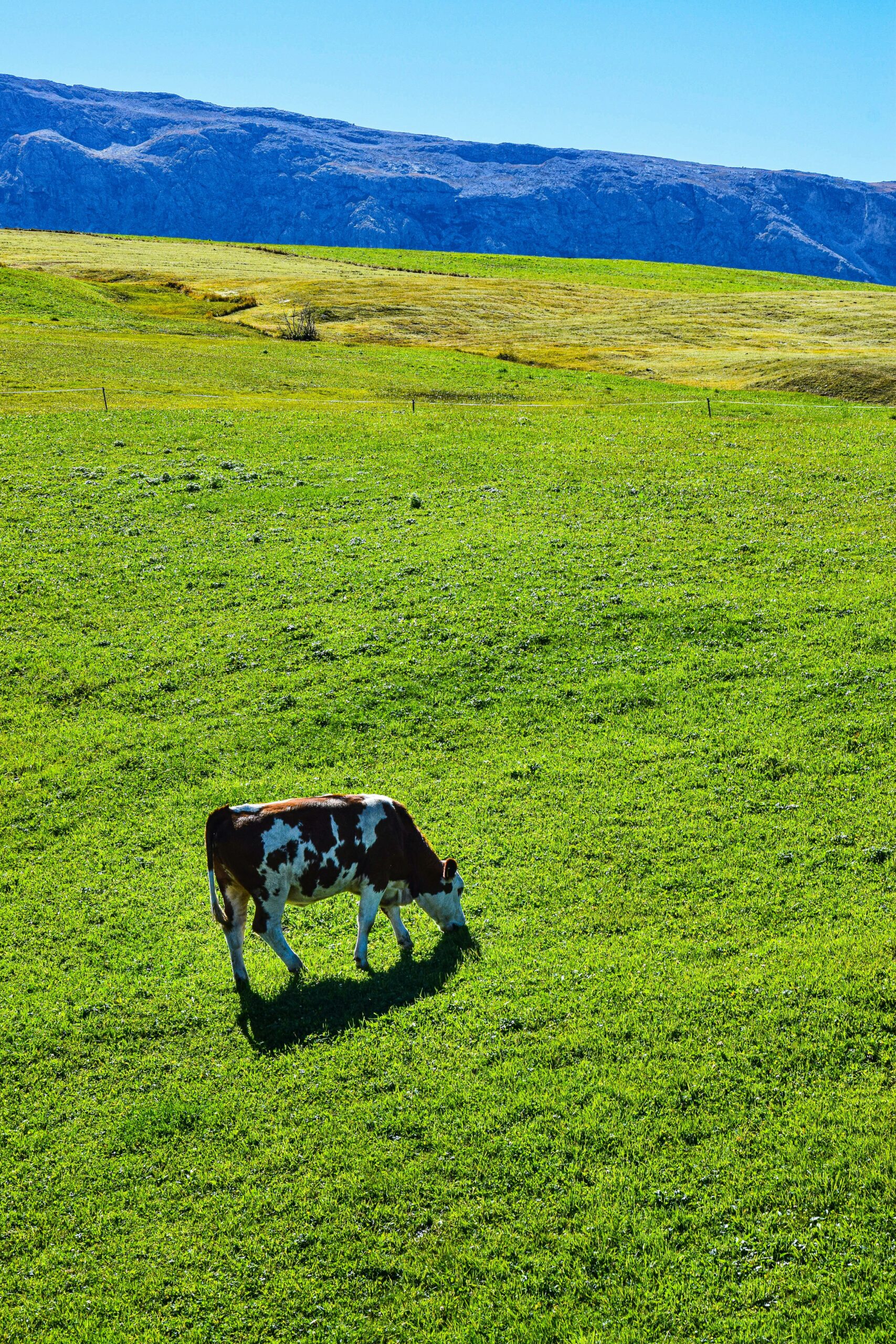
The spread of foot-and-mouth disease Gauteng is placing farmers under pressure and exposing cracks in how the outbreak is being managed. Livestock losses are rising, and concerns about food security are starting to surface.
At the centre of the debate is whether government structures are working together effectively to contain the disease.
DA Raises Alarm Over Coordination
The Democratic Alliance has accused Panyaza Lesufi and Vuyiswa Ramokgopa of failing to lead a coordinated response.
DA spokesperson Bronwynn Engelbrecht argues that municipalities are not being fully involved, weakening efforts on the ground.
Key concerns raised include:
- Weak enforcement of livestock movement controls
- Limited use of roadblocks
- Poor communication with farming communities
According to Engelbrecht, without strong municipal action, the response remains fragmented and reactive.
Farmers Feel the Impact
For farmers, the foot-and-mouth disease Gauteng outbreak is not a policy debate. It is a daily loss of income and livestock.
The disease spreads quickly among cattle, sheep, and goats, forcing strict movement controls and, in some cases, culling. While it does not affect humans directly, its economic impact is severe.
South Africa has faced similar outbreaks in provinces like Limpopo and KwaZulu-Natal, often leading to export bans and billions in losses.
Government Pushes Back
The Gauteng Provincial Government has rejected the criticism. Spokesperson Elijah Mhlanga said coordination is already in place through decisions taken earlier this year.
According to government, actions include:
- Intergovernmental coordination led by CoGTA
- Joint communication strategies across departments
- Roadblocks and route monitoring with transport and security teams
Mhlanga also pointed to support from John Steenhuisen, saying national government is assisting with vaccine rollout and disease control efforts.
Some Relief Measures Begin
Despite the broader tensions, some municipalities have started to act. Midvaal has introduced a 10 percent rates rebate for affected agricultural properties.
This relief is set to run for 12 months and aims to ease financial pressure on farmers dealing with losses and restricted trade.
Why Coordination Matters
Containing foot-and-mouth disease depends on strict biosecurity:
- Movement restrictions on livestock
- Quarantine zones
- Vaccination programmes
Gauteng faces added risk due to communal and peri-urban grazing areas, where monitoring livestock movement is harder. This increases the need for strong coordination between national, provincial, and local authorities.
A Familiar Pattern
Past outbreaks in South Africa have shown one clear issue. Weak coordination allows the disease to spread faster.
The current situation in Gauteng highlights the same challenge. Political disagreements aside, the outcome depends on how well different levels of government work together.
For farmers and consumers, the stakes are high. Livestock losses affect supply chains, and that pressure can lead to higher food prices across the country.
{Source: IOL}
Follow Joburg ETC on Facebook, Twitter , TikTok and Instagram
For more News in Johannesburg, visit joburgetc.com