Taxi fares on the edge as fuel hike squeezes South Africa’s commuters
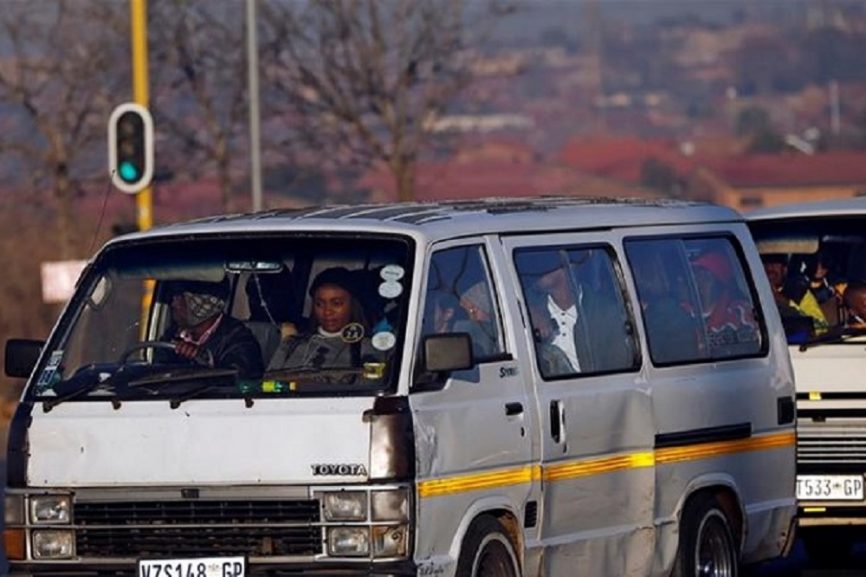
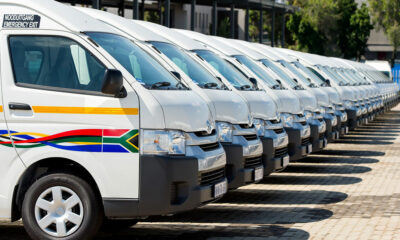
For millions of South Africans, the day doesn’t start with coffee, it starts with a taxi ride. From early morning queues in Soweto to late-night commutes in Cape Town, minibus taxis are the backbone of everyday life.
But that daily routine could soon become more expensive.
As fuel prices climb sharply from 1 April, the South African National Taxi Council has issued a cautious warning: fare increases may be on the horizon.
Fuel hikes hit where it hurts most
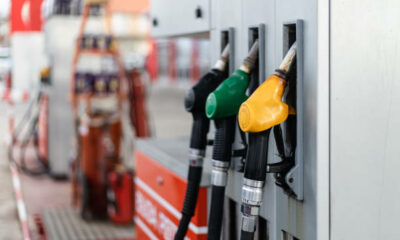
This latest fuel adjustment is no small bump. Petrol has jumped by more than R3 per litre, while diesel, the lifeblood of most taxis, has surged by over R7.
That difference matters.
Diesel powers the majority of South Africa’s taxi fleet, meaning operators are absorbing the steepest part of the increase. And unlike big logistics companies, many taxi owners run on tight margins, where even a small spike can tip the balance.
SANTACO spokesperson Mmatshikhidi Rebecca Phala didn’t mince words the industry is carrying the heaviest burden.
Relief helps… but only just
Government’s R3 fuel levy relief has been welcomed, but there’s a catch: it’s temporary.
For taxi operators, it’s less a solution and more a short pause in a much longer financial squeeze. The reality is that operating costs, fuel, maintenance, wages are all rising at once.
And when that happens, something usually gives.
So, will taxi fares go up?
The short answer: possibly, but not immediately.
Unlike buses or trains, taxi fares aren’t centrally regulated. Individual taxi associations decide what commuters pay, based on their own costs and routes.
Right now, those associations are doing the maths.
SANTACO says operators across the country are reviewing expenses before making any decisions. And importantly, they’ve committed to avoiding sudden or reckless fare hikes.
In other words, no overnight shocks, but gradual increases are very much on the table.
The ripple effect on everyday life
If fares do rise, the impact will be felt far beyond taxi ranks.
In South Africa, transport costs are deeply tied to everything else. When it becomes more expensive to get to work, it affects:
- Household budgets
- Food affordability
- Job access
- School attendance
For many families, taxi fare increases aren’t just inconvenient they’re a real financial strain.
It’s a familiar cycle: fuel goes up, transport follows, and the cost of living quietly stretches even further.
Social media reaction: “We can’t afford this again”
Online, the mood has been tense.
Many South Africans are already bracing for the impact, with some commuters expressing frustration at how often transport costs rise compared to wages.
Others have taken a more resigned tone joking about walking to work or carpooling but beneath the humour is a deeper concern about affordability.
There’s also growing empathy for taxi operators themselves, with some users acknowledging that drivers are just as squeezed by rising costs.
A system under pressure
The taxi industry carries over 60% of South Africa’s public transport load a staggering figure that highlights just how essential it is.
Yet, it remains largely deregulated and often under-supported.
This moment exposes a bigger issue: when fuel prices spike, there’s no strong buffer protecting either operators or commuters. The pressure simply shifts between the two.
SANTACO says it is engaging government on possible interventions, but long-term solutions remain uncertain.
The bigger picture: balancing survival and affordability
What makes this situation tricky is that both sides are vulnerable.
Taxi owners need to keep their businesses running. Commuters need to get to work without breaking the bank.
Somewhere in the middle is a delicate balancing act one that plays out daily on South Africa’s roads.
For now, taxi fares remain unchanged, but the pressure is building.
As fuel prices continue to climb, the question isn’t just if fares will rise, but when and by how much.
And for millions of South Africans who rely on taxis every day, that answer could shape more than just their commute it could reshape their entire monthly budget.