News
No April Fool’s: South Africans wake up to higher fuel and electricity costs
No April Fool’s: South Africans wake up to higher fuel and electricity costs
If April usually comes with a few harmless pranks, this year South Africans got something far less amusing a very real, very expensive reality check.
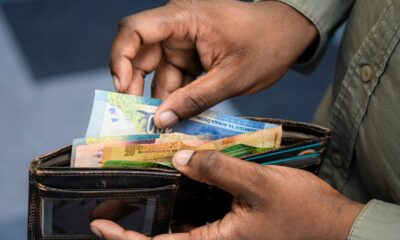
From midnight on 1 April, households across the country are facing a double hit: rising fuel prices at the pump and higher electricity tariffs at home. And for many, it’s not just inconvenient it’s overwhelming.
A double blow lands overnight
The increases didn’t arrive quietly.
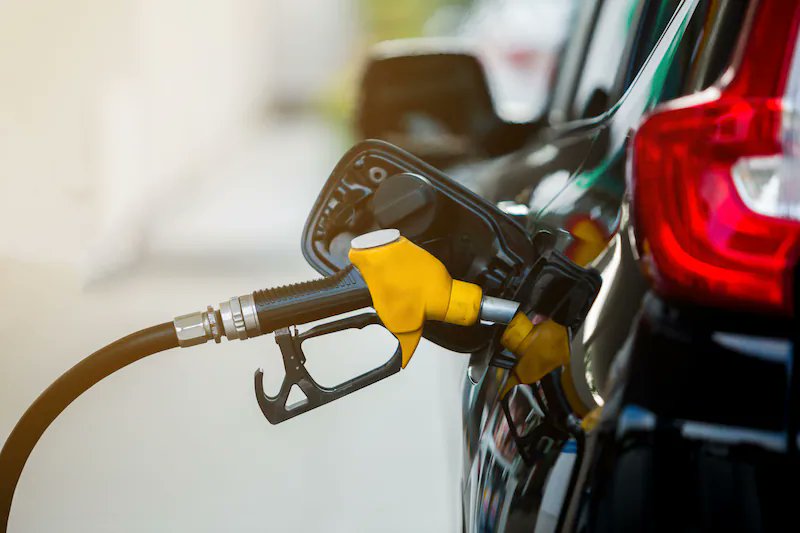
Fuel prices jumped sharply, forcing motorists to rethink daily travel costs almost instantly. At the same time, Eskom implemented an 8.76% tariff increase for customers who buy electricity directly from the utility.
The decision, approved by National Energy Regulator of South Africa, forms part of Eskom’s pricing plan for the 2026/27 financial year.
Put simply: it now costs more to move and more to live.
Why electricity is getting more expensive
The latest hike follows a revised tariff determination by Nersa, which corrected earlier calculations that had initially suggested a lower increase.
But this isn’t a once-off.
Another increase even higher is already on the horizon for 2027, as part of a phased approach tied to additional funding granted to Eskom.
For consumers, that means this isn’t the peak it’s part of a longer climb.
Municipal bills are next
If you don’t buy electricity directly from Eskom, the impact is still coming.
Municipalities across South Africa are expected to implement their own tariff increases averaging just over 9% from July, in line with the Municipal Finance Management Act.
So whether you’re prepaid or billed through your municipality, higher electricity costs are unavoidable.
The real impact: households under pressure
For many South Africans, budgets were already stretched before April arrived.
Now, the combination of rising fuel and electricity costs is forcing difficult trade-offs.
The Motor Industry Staff Association has warned that workers are being squeezed from both sides with transport and energy costs eating into already tight incomes.
And in everyday terms, that translates into tough decisions:
- Do you fill up the tank or buy groceries?
- Do you keep the lights on or cut back elsewhere?
It’s not theoretical it’s happening in real time.
“Electricity is a right”, the growing debate
The increases have also reignited a broader conversation about access and affordability.
Roxaan Vorster has argued that electricity should be treated as a basic right, not a profit-driven commodity especially for lower-income households.
It’s a sentiment that resonates widely in a country where inequality remains stark and access to reliable, affordable energy is still uneven.
Social media reaction: frustration, fatigue, and dark humour
Online, the reaction has been immediate and deeply relatable.
Some South Africans are venting frustration at what feels like a never-ending cycle of price hikes. Others are turning to humour, joking that April Fool’s came early this year.
But beneath the memes is a clear message: people are tired.
Tired of rising costs. Tired of adjusting budgets. And tired of feeling like the pressure keeps building with no real relief in sight.
A familiar pattern with deeper roots
This moment didn’t come out of nowhere.
South Africa has seen years of electricity tariff increases, driven by Eskom’s financial challenges, infrastructure needs, and rising operational costs. Previous hikes including a near 13% increase in 2023 have already set the tone.
At the same time, fuel prices remain tied to global oil markets and the rand’s performance, leaving the country vulnerable to international shocks.
In other words, the current squeeze is the result of both local and global pressures colliding.
The bigger picture: a cost-of-living tipping point?
What makes this moment different is the timing.
Fuel, electricity, food, and transport costs are all rising together creating a cumulative effect that’s harder to absorb.
Economists often talk about inflation in percentages. But for ordinary South Africans, it’s simpler than that: life is getting more expensive, faster than incomes are growing.
This April may not come with jokes, but it does come with a clear message.
South Africans are entering a period where managing monthly expenses will require even more careful planning, trade-offs, and resilience.
And while policymakers and regulators debate long-term solutions, the immediate reality is already here, showing up in petrol receipts, electricity units, and household budgets across the country.
For now, one thing is certain: this is no April Fool’s joke.
{Source: The Citizen}
Follow Joburg ETC on Facebook, Twitter , TikTok and Instagram
For more News in Johannesburg, visit joburgetc.com