News
Pressure mounts on Ramaphosa to act as McKenzie faces explosive cartel claims
Pressure mounts on Ramaphosa to act as McKenzie faces explosive cartel claims
In South African politics, controversy is nothing new, but every now and then, a story lands that cuts deeper than the usual noise. This is one of those moments.
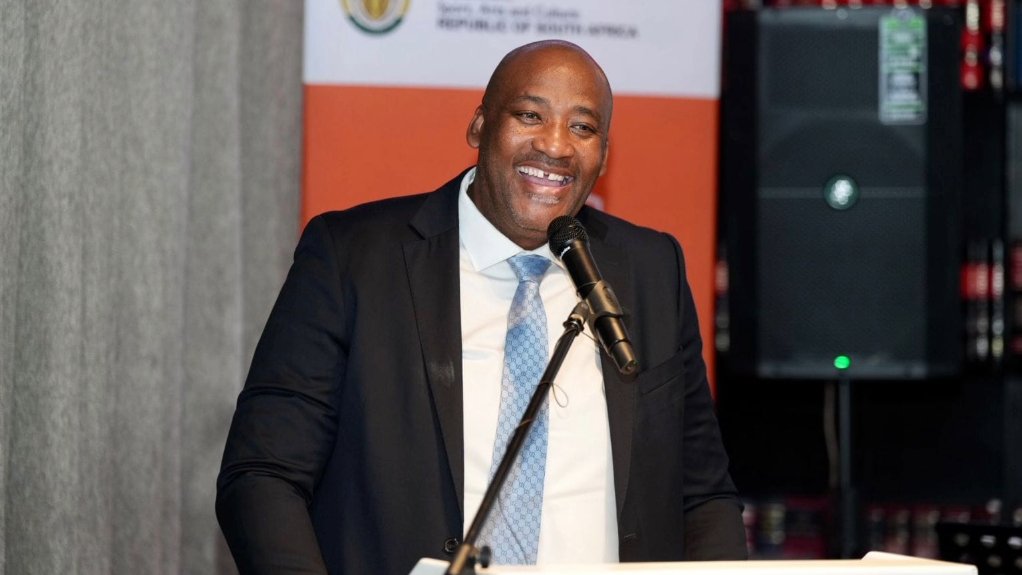
Calls are growing louder for Cyril Ramaphosa to take decisive action against Sports, Arts and Culture Minister Gayton McKenzie following a wave of serious allegations linking him to organised crime networks in Cape Town.
At the centre of it all? Claims that, if proven true, could shake public trust in government to its core.
The allegations shaking the political landscape
The controversy stems from claims made by alleged gang leader and convicted fraudster Jermaine Prim, who has accused McKenzie of being connected to so-called “Big 5” drug cartels operating in the Western Cape.
Prim alleges that McKenzie was actively involved in drug-related activities including the sale of Mandrax while serving in Parliament. He also claims to have interacted with McKenzie over several years, including receiving mobile phones from him while in prison.
Even more explosively, Prim alleges he holds recordings that could link the minister to illicit money, and that efforts were made to silence him.
These claims remain unproven, but they’ve been enough to trigger political pressure at the highest level.
Political parties demand immediate action
Both the African Transformation Movement (ATM) and Vuka SA have formally called on the president to place McKenzie on precautionary suspension while an investigation is carried out.
ATM leader Vuyo Zungula didn’t mince his words, arguing that the situation goes beyond politics and speaks directly to public safety and national integrity.
There are also calls for parliamentary processes to kick into gear including summoning witnesses and expanding the scope of ongoing inquiries to examine the allegations in full.
Ramaphosa’s office: “Not aware” for now
Despite the growing noise, the presidency appears at least publicly to be taking a cautious stance.
Presidential spokesperson Vincent Magwenya indicated that Ramaphosa may not yet have been formally briefed on the request, as his focus has been elsewhere, including economic priorities like the investment conference.
That response has sparked mixed reactions online, with some questioning whether the issue is being taken seriously enough, while others argue that due process must come first.
McKenzie’s response: defiant but conditional
For his part, McKenzie has dismissed the allegations as baseless and lacking evidence.
However, he has also struck a notable tone:
If the president decides to suspend him, he says he would step down emphasising that he serves at the president’s discretion, not political pressure.
It’s a response that walks a fine line between defiance and accountability.
A pattern of controversy?
This isn’t the first time McKenzie has faced scrutiny.
Over the past year, several incidents have kept his name in the headlines:
- The South African Human Rights Commission found prima facie evidence of a violation of the Equality Act linked to a racial slur
- The Public Protector launched an investigation into alleged misuse of public funds during an overseas trip
- A separate intimidation case was opened by an MP who claimed she felt threatened during a public broadcast
Individually, each issue raised eyebrows. Together, they paint a picture that critics say cannot be ignored.
The bigger issue: drugs and communities under pressure
Beyond politics, the allegations tap into a much deeper national crisis.
South Africa has seen a sharp rise in drug use over the past two decades, with studies showing a significant increase in substance abuse particularly among young people.
In provinces like the Western Cape, communities have long spoken about the devastating impact of drugs:
families breaking down, youth caught in cycles of addiction, and neighbourhoods living under the shadow of gang activity.
That’s why these allegations hit differently. They’re not just about one politician they touch on a lived reality for thousands of South Africans.
Social media reaction: anger, scepticism, and fatigue
Online, the reaction has been intense but also telling.
Some South Africans are calling for immediate suspension, arguing that leaders must be held to the highest standards. Others are urging caution, warning against trial by social media without evidence.
But perhaps the most common sentiment is frustration.
A sense that scandals keep coming, while accountability often lags behind.
What happens next?
There are now several possible paths forward:
- A formal investigation could be launched
- Parliament may call witnesses to testify under oath
- The president could decide to suspend or not based on available information
Each option carries political and public consequences.
Because in a country where trust in institutions is already under strain, how this is handled matters just as much as the outcome itself.
This moment is about more than allegations it’s about credibility.
For Cyril Ramaphosa, the pressure is now on to balance fairness with accountability.
For Gayton McKenzie, it’s a test of both reputation and resilience.
And for South Africans watching closely, it’s another reminder that leadership isn’t just about power it’s about trust.
Right now, that trust is being tested.
{Source: IOL}
Follow Joburg ETC on Facebook, Twitter , TikTok and Instagram
For more News in Johannesburg, visit joburgetc.com