Arts & Culture
Johannesburg art and film scene 2026: Must-see spots and events
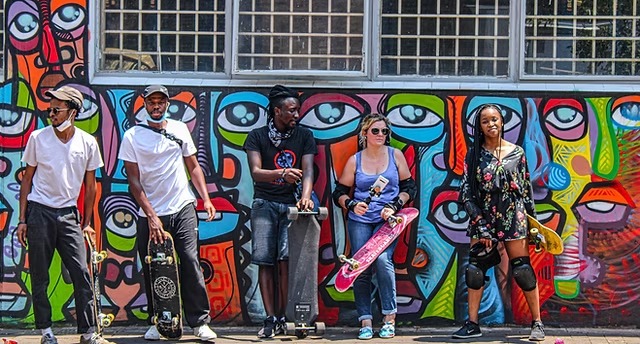
There is something quietly electric about Johannesburg right now. You feel it in the alleyways painted with bold murals, in the polished white walls of Rosebank galleries, and in the hum of people moving between studios, screenings, and street markets.
In 2026, Joburg is not just showing art. It is living it.
Also read: Johannesburg winter 2026: The best events and experiences to explore
Where the city’s creative pulse begins
If you want to understand how far the city has come, start in Rosebank at Keyes Art Mile. It is the kind of place where art, architecture, and food blend seamlessly. You can walk from one serious contemporary exhibition to another, then settle in for lunch at Marble without ever leaving the precinct.
Just a few minutes away, Goodman Gallery continues to carry its reputation as one of the continent’s most important spaces. The work here does not shy away from tough conversations. It leans into them, reflecting South Africa’s past and present in ways that feel both confronting and necessary.
For something more intimate, Gallery MOMO offers a quieter, curated experience that focuses on artists from across Africa and the diaspora. It is the kind of space where you slow down, rather than rush through.
From factories to creative playgrounds
Not all of Joburg’s art lives in polished spaces. Some of its most exciting energy comes from places that were never meant to be galleries at all.
Victoria Yards in Lorentzville is a perfect example. Once industrial and overlooked, it has become one of the city’s most welcoming creative hubs. Studios sit next to urban gardens, artisans work in open spaces, and visitors are encouraged to engage, not just observe. On First Sundays, the place comes alive with markets and open studios that feel more like a community gathering than a formal art event.
Then there is 44 Stanley, where old industrial buildings have been softened into a mix of design stores, small galleries, and cafés. It is quieter than most hotspots, which makes it ideal for a slower, more thoughtful afternoon.
Inner-city creativity that refuses to fade
Head into the inner city, and the tone shifts again.
Maboneng remains one of Joburg’s most recognisable creative districts. It is loud, colourful, and constantly evolving. Street art spills across walls, rooftop bars fill up by sunset, and Arts on Main continues to anchor the area with working studios and exhibition spaces.
Nearby, Newtown still holds its place as the city’s cultural heart. The Market Theatre has long been a home for powerful storytelling, while Museum Africa and the surrounding public art keep history and creativity closely intertwined.
Museums that tell bigger stories
Art in Johannesburg is not only about aesthetics. It is also about memory and meaning.
The Wits Art Museum stands out for its vast collection of African art, offering a journey from historical pieces to contemporary work under one roof.
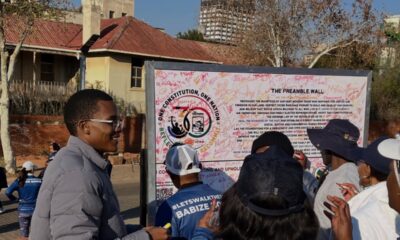
A visit to the Apartheid Museum or Constitution Hill shifts the experience entirely. Here, film, photography, and installation are used to tell stories that shaped the country. These are not casual stops. They are moments that stay with you long after you leave.
Film, photography, and performance spaces
The city’s film scene is just as layered.
The Bioscope has built a loyal following for its focus on independent and African cinema at 44 Stanley. It is small, but that is part of the charm. Screenings feel personal, often followed by conversations that continue long after the credits roll.
For theatre, the Market Theatre Laboratory is where new voices are developed. It is raw, experimental, and often where the next generation of performers begins to take shape.
Photography lovers will find something different at the Inside Out Centre and the Roger Ballen Centre, dedicated spaces in Forest Town that host exhibitions and special programming focused on thought-provoking visual storytelling.
The events that define the year
If there is one thing Joburg does well, it is turning art into an experience.
The Joburg Film Festival returns in early 2026 with its focus on the craft of filmmaking, bringing together local and international stories across multiple venues.
By May, the RMB Latitudes Art Fair transforms Shepstone Gardens into a vibrant showcase of contemporary African work, with a noticeable spotlight on artists from across the continent.
September belongs to FNB Art Joburg, still the longest-running fair of its kind in Africa, drawing collectors, curators, and curious visitors into one space.
And then there are the smaller moments that locals swear by. First Thursdays sees galleries across parts of the city stay open late for evening exhibitions and events, while initiatives like Contra. Joburg opens selected studios to the public when hosted.
A city constantly reinventing itself
What makes Johannesburg’s art and film scene in 2026 so compelling is not just the variety. It is the way the city keeps reshaping itself.
Old industrial spaces become creative hubs. Galleries challenge social norms. Street art turns everyday corners into conversation starters.
Even outside the city centre, places like NIROX Sculpture Park offer a completely different perspective, where art meets nature in the Cradle of Humankind. Meanwhile, spaces like The Wilds in Houghton feature public art installations within a restored green reserve, making creativity part of everyday walks and skyline views.
How to explore it all
Getting around can feel overwhelming, especially for first-time visitors. The City Sightseeing Red Bus makes it easier, linking major cultural landmarks like Constitution Hill and the Apartheid Museum in a single route.
For a more local approach, many residents suggest starting in Rosebank, moving through Parkwood, and then heading into the inner city for a full day that captures the contrast of Joburg’s art world. For specialised spaces such as the Joburg Contemporary Art Foundation, visits are exhibition-dependent and may require advance booking.
The bigger picture
There is no single way to experience Johannesburg’s art scene. That is exactly the point.
It is layered, sometimes chaotic, often brilliant, and always evolving. Whether you are stepping into a gallery, walking through a studio, or catching an indie film, you are not just seeing art. You are seeing a city that refuses to stand still.
Also read: Johannesburg’s luxury experiences you can’t miss in 2026
Follow Joburg ETC on Facebook, Twitter, TikT
For more News in Johannesburg, visit joburgetc.com
Featured Image: Honest Travel Experience