News
Oil rises as fragile ceasefire faces new pressure in Middle East
Oil rises as fragile ceasefire faces new pressure in Middle East
Markets breathe, but not too easily
There’s a cautious sense of relief in global markets right now the kind that comes with a deep breath, not a celebration.
Stocks ticked upward on Friday as investors clung to hopes that a recently announced ceasefire between the United States and Iran might hold, at least long enough to prevent a wider regional crisis. But beneath that optimism, oil prices are telling a more anxious story.
Crude is creeping higher again, reflecting a reality traders know well: peace in the Middle East is rarely straightforward.
The Strait of Hormuz: a global pressure point
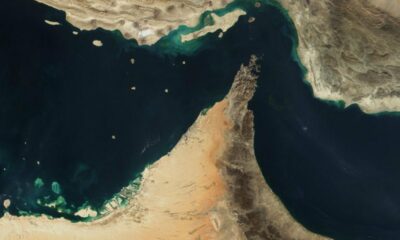
At the centre of it all is the Strait of Hormuz a narrow but critical waterway through which roughly a fifth of the world’s oil and gas supply flows.
When Washington and Tehran agreed earlier this week to a temporary truce and the reopening of the strait, markets reacted instantly. Oil eased, stocks rebounded, and there was a sense that the worst might be over.
But that optimism is already being tested.
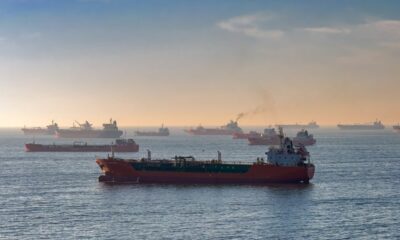
Disagreements over how the ceasefire should work and who controls access to the strait have slowed progress. Shipping traffic remains minimal, with only a handful of vessels passing through since the agreement.
For global supply chains, that’s a warning sign.
Tensions spill beyond Iran and the US
While the ceasefire focuses on Washington and Tehran, the broader region remains volatile.
Israel’s continued military operations in Lebanon are raising fresh concerns that the fragile pause could unravel.
Tehran has accused Israel of undermining the agreement by continuing strikes in Lebanese territory, where the Iran-backed group Hezbollah is active.
Israel, however, maintains that its operations in Lebanon are separate from the ceasefire.
That distinction may be technically correct but in geopolitical terms, everything is connected.
Trump weighs in as shipping dispute grows
Adding another layer to the tension, Donald Trump has publicly warned Iran against introducing tolls for ships passing through the Strait of Hormuz.
His comments underscore a deeper concern: control of the waterway.
Any attempt to restrict or monetise access could have ripple effects across the global economy, pushing oil prices higher and increasing costs for consumers worldwide including here in South Africa, where fuel prices are tightly linked to international crude.
Oil edges higher and may stay there
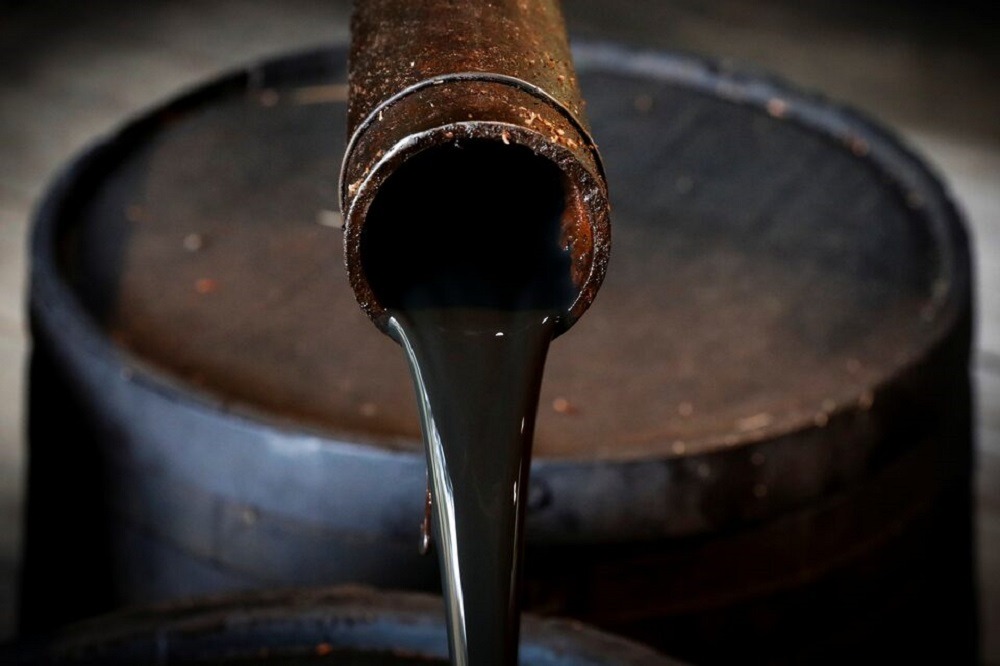
Despite the partial reopening of the strait, oil prices have continued to climb, hovering just below the psychologically important $100-a-barrel mark.
Analysts say that even if the ceasefire holds, supply disruptions won’t disappear overnight.
Backlogs in shipping, logistical bottlenecks, and lingering uncertainty mean that oil is unlikely to return to pre-war levels anytime soon.
For ordinary South Africans, that could translate into continued pressure at the petrol pump something motorists are already feeling after months of volatility.
A region still on edge
On the ground, the situation remains tense.
Air raid sirens have sounded across parts of Israel, including Tel Aviv and Ashdod, following rocket fire from Lebanon. While no casualties were immediately reported, the incidents highlight how quickly the situation can escalate.
Meanwhile, Israel has warned residents in parts of Beirut to evacuate ahead of potential strikes a move that has drawn concern from the World Health Organization due to the presence of hospitals in the targeted area.
The human cost of the conflict continues to mount, even as diplomats push for calm.
Talks, threats, and uncertainty
Diplomatic efforts are ongoing.
US and Iranian officials are expected to meet in Pakistan for further negotiations, while separate talks between Israel and Lebanon are reportedly planned in Washington.
Leaders including Keir Starmer have called for a “practical plan” to fully reopen shipping routes and stabilise the region.
But the gaps between the different sides remain wide.
Iran’s leadership, now under Mojtaba Khamenei, has signalled it does not seek war while also insisting it will defend its national interests and regional alliances.
At the same time, Israeli Prime Minister Benjamin Netanyahu has made it clear that military operations against Hezbollah will continue.
The bigger picture: why it matters here at home
For many South Africans, the Middle East can feel distant. But its impact is immediate.
Fuel prices, food costs, and inflation are all tied, directly or indirectly to global oil markets. When crude rises, the effects ripple quickly through the local economy.
That’s why even a “temporary” ceasefire matters.
Right now, the world is watching a delicate balancing act: diplomacy trying to hold the line while conflict simmers just beneath the surface.
And as long as that tension remains, oil prices and global nerves are likely to stay on edge.
{Source: IOL}
Follow Joburg ETC on Facebook, Twitter , TikTok and Instagram
For more News in Johannesburg, visit joburgetc.com