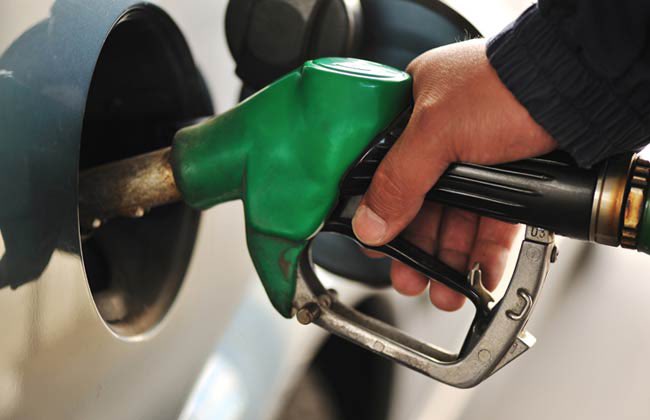

South Africans could soon learn whether the brief relief at the pumps will continue, with Finance Minister Enoch Godongwana expected to announce a decision on the R3 fuel levy reduction next week.
The temporary cut, introduced at the start of April, was meant to ease pressure on households grappling with rising living costs. But with global tensions in the Middle East continuing to influence oil prices, the question now is whether government can afford to keep that relief in place.
Godongwana has confirmed that the matter is under active consideration, with a final call expected on Tuesday, April 28.
Calls For Relief Grow Louder
During a recent parliamentary debate, Build One South Africa leader Mmusi Maimane urged Treasury to extend the measure, arguing that ordinary South Africans are feeling the strain.
He pointed to strong revenue collection by the South African Revenue Service, noting that the tax authority has surpassed R2 trillion. In his view, this should create room for government to cushion consumers.
But the numbers, as Godongwana explained, tell a more complicated story.
The Fiscal Reality Behind The Decision
While revenue collection has improved, government spending currently sits at around R2.43 trillion. That leaves a gap of roughly R400 billion, before even accounting for debt servicing costs, which add another heavy burden.
In practical terms, this means South Africa still needs to borrow hundreds of billions to meet its obligations. Extending fuel relief, while popular, comes with a direct cost to the fiscus.
Godongwana acknowledged the pressure but made it clear that any decision must balance immediate relief with long-term financial sustainability.
What Happens Next
The minister has committed to reviewing the situation at the end of the month, in consultation with Mineral and Petroleum Resources Minister Gwede Mantashe. That process will determine whether the fuel levy reduction continues beyond its current deadline.
At the same time, government is working on broader plans to address fuel pricing and support households over the medium term. These measures are expected to form part of a wider strategy to manage the impact of global energy shocks on the local economy.
Why This Matters For South Africans
For many households, fuel prices are not just about what it costs to fill up. They influence transport fares, food prices, and the overall cost of living. A R3 difference at the pump can ripple through the economy in ways that are felt far beyond the forecourt.
As the country waits for next week’s announcement, the decision will signal more than just short-term relief. It will reveal how government plans to navigate the tightrope between easing pressure on citizens and managing an already stretched budget.
{Source:IOL}
Follow Joburg ETC on Facebook, Twitter , TikTok and Instagram
For more News in Johannesburg, visit joburgetc.com