ANC pushes back on SACP election split claims as alliance tensions simmer
South Africa’s political landscape is quietly shifting and at the centre of it is a relationship that has defined the country’s democracy for decades.
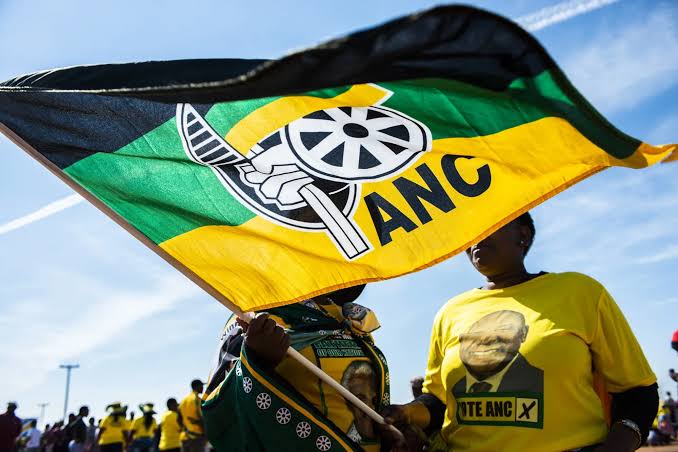
The African National Congress (ANC) has moved to calm the waters after reports suggested its leadership had already taken a firm stance on the South African Communist Party’s decision to contest elections independently.
But according to the ANC, those reports are premature and, more importantly, unofficial.
A denial and a warning about “leaks”
ANC spokesperson Mahlengi Bhengu didn’t mince her words. She described circulating reports about a special National Executive Committee (NEC) meeting as speculative, warning against relying on anonymous sources.
Instead, she emphasised that the party is still engaged in structured, internal discussions, not just with the SACP, but with broader alliance partners.
In ANC language, that signals something important: no final decision has been made yet.
The moment that shook the alliance
To understand the tension, you have to go back to December 2024.
That’s when the SACP took a bold step resolving to contest elections outside the ANC-led umbrella for the first time in democratic South Africa. The announcement, later reinforced by general secretary Solly Mapaila, sent shockwaves through the political establishment.
It wasn’t just a tactical move. It was a statement.
The SACP accused the ANC of drifting away from its traditional pro-poor stance, arguing that the governing party had embraced policies it views as too market-driven.
Why this matters: the alliance that built modern SA
For decades, the ANC, SACP and Congress of South African Trade Unions have formed the backbone of the Tripartite Alliance a political partnership that helped shape post-apartheid South Africa.
This alliance wasn’t just symbolic. It was strategic:
- The ANC held political power
- Cosatu mobilised workers
- The SACP shaped ideological direction
Together, they created a united front that dominated elections for years.
Now, that unity is being tested.
Behind closed doors: what the ANC is really doing
While public statements may sound cautious, the ANC has confirmed that its NEC has already deliberated on the SACP’s decision.
But instead of rushing to a public confrontation, the party is taking a slower, more controlled route:
- Engaging directly with SACP leadership
- Consulting other alliance partners
- Briefing internal ANC structures nationwide
This approach, Bhengu says, is about maintaining coherence and unity even as differences emerge.
A full, official position will only be released once those consultations are complete.
Public reaction: curiosity, concern and a bit of déjà vu
On social media, South Africans are watching closely and reading between the lines.
Some see the SACP’s move as long overdue, arguing that it could revive ideological debate in a political system many feel has grown stagnant.
Others worry it could fracture the ruling alliance, potentially reshaping electoral dynamics ahead of future polls.
There’s also a sense of déjà vu. The alliance has faced tensions before but rarely has the possibility of contesting against each other at the ballot box felt this real.
A turning point or political posturing?
Here’s the bigger question: Is this a genuine split, or a negotiating tactic?
Some analysts believe the SACP’s election move could be a way to pressure the ANC internally, forcing policy shifts rather than triggering a full break.
Others argue the cracks are deeper reflecting long-standing frustrations over governance, inequality, and economic direction.
Either way, the stakes are high.
What comes next?
For now, the ANC is keeping its cards close to its chest.
What’s clear is that any decision will not be made in isolation. The party is leaning heavily on consultation a hallmark of alliance politics, but also a sign of how delicate the situation has become.
South Africa may be witnessing the early stages of a political realignment.
If the SACP follows through on its election plans, it could mark the most significant shift in alliance politics since 1994. But if negotiations succeed, this moment might instead become another chapter in the alliance’s long history of internal bargaining.
Either way, one thing is certain: the balance of power within the alliance is no longer as settled as it once was.