News
South Africans are quietly ditching bank cards as digital wallets take over everyday payments
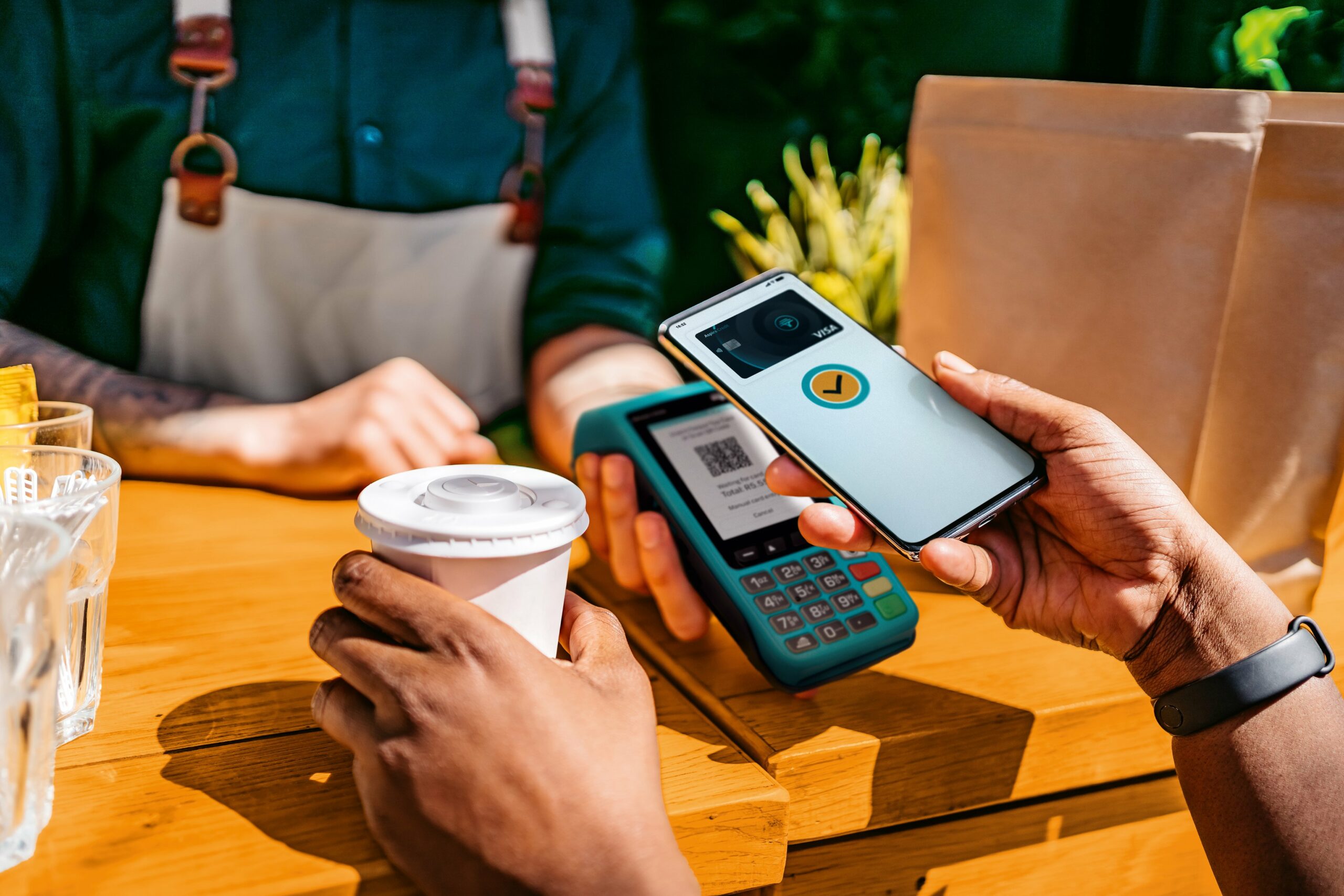
A quiet shift happening in your pocket
It’s happening without much noise at the till.
Across South Africa, fewer people are reaching for physical bank cards. Instead, they’re tapping phones, smartwatches, and digital wallets and the shift is accelerating faster than many expected.
At least four major South African banks are reporting strong and consistent growth in the use of digital wallets and virtual cards, signalling a slow but steady move away from traditional plastic cards.
From grocery stores to online subscriptions, the way South Africans pay is changing and it’s becoming increasingly digital-first.
What’s replacing the bank card? Your phone
Digital wallets allow users to link their bank card, physical or virtual to platforms like:
- Apple Wallet
- Google Wallet
- Samsung Wallet
Once linked, payments happen using near-field communication (NFC) technology the same system that powers tap-to-pay cards. The difference is that now, your phone or smartwatch does the tapping.
But it’s not just about convenience.
Digital wallets often require biometric authentication or PIN verification, adding an extra layer of security compared to traditional cards, where small transactions can sometimes be processed without a PIN.
That security advantage is becoming one of the biggest drivers behind the shift.
Banks are seeing a clear behavioural change
South Africa’s biggest banks are already seeing how quickly customers are adapting.
Standard Bank: rapid acceleration in 2026
Standard Bank reports a sharp rise in digital wallet usage:
- 56% year-on-year growth in digital wallet spending (Jan–March 2026)
- Digital wallets now account for over 13% of card point-of-sale spending
- Up from under 7% just two years ago
- Over 25% of credit card customers have activated virtual cards since mid-2025
The bank says this growth is not just replacing physical card use it’s actually outpacing total card transaction growth, showing a deeper behavioural shift toward mobile payments.
Customers, it says, are drawn by both convenience and improved fraud protection.
Nedbank: digital spending jumps sharply
Nedbank has also recorded strong movement:
- 71% increase in digital wallet transaction value in 2025
- Digital wallets now represent just over 22% of all card spending
- Up from around 13% the previous year
- E-commerce spending grew 20%, while in-store card transactions grew 6%
The bank points to stronger fraud protection systems and secure digital infrastructure as key reasons customers are moving away from physical cards.
FNB: steady, long-term adoption
FNB says the trend started early and continues to build:
- Strong initial adoption of digital wallets and virtual cards
- Growth has stabilised but remains consistently upward
- Increased transaction volumes year-on-year
According to FNB, digital payments are no longer experimental they are now a routine part of everyday spending habits.
Discovery Bank: digital-first behaviour becoming the norm
Discovery Bank reports similar momentum:
- Strong year-on-year growth in digital wallet and virtual card use
- Increasing preference for virtual cards in subscriptions, online shopping, and daily spending
- Contactless payments becoming the default in many urban areas
Its research, through the SpendTrend25 report, shows that:
- 45% of South Africans already use virtual cards
- Fraud incidents on digital wallets are six times lower than on physical cards
That security gap is one of the most powerful motivators behind adoption.
Why South Africans are making the switch
While convenience is a major factor, security is driving the emotional shift.
People are increasingly aware of risks linked to physical card use especially where tap-to-pay limits can allow transactions without PIN verification.
Digital wallets, by contrast, typically require fingerprint, face ID, or PIN authentication for every transaction.
That small difference is reshaping trust in how people pay.
There’s also a lifestyle shift happening: more subscriptions, more online shopping, and more mobile-first banking habits especially in urban centres where smartphones are already central to daily life.
From plastic cards to invisible payments
The change is also cultural.
Bank cards once a symbol of financial access are slowly becoming secondary tools. In many cases, they are now just a backup for digital wallets stored on phones.
For younger consumers especially, carrying a physical card is starting to feel unnecessary.
Instead, payments are becoming:
- Faster
- Contactless
- App-based
- Biometrically secured
In short, payments are becoming invisible.
What this shift really means for South Africa
This is not just a banking trend it’s a broader financial transformation.
Digital wallets are reshaping how South Africans interact with money, from everyday purchases to long-term financial behaviour. Banks say customers are now more engaged with:
- Real-time spending alerts
- Category tracking
- Instant transaction visibility
These tools are also encouraging more conscious spending habits, something banks see as part of a wider “smart banking” evolution.
South Africa isn’t completely saying goodbye to bank cards yet but their role is clearly shrinking.
What’s replacing them isn’t just a new piece of technology. It’s a new way of thinking about money: mobile, secure, and always within reach.
And as banks continue to invest in digital infrastructure, the question is no longer if digital wallets will dominate but how fast the final shift away from plastic will happen.
{Source: My Broad Band}
Follow Joburg ETC on Facebook, Twitter , TikTok and Instagram
For more News in Johannesburg, visit joburgetc.com