News
Joburg’s budget crisis becomes a political battleground
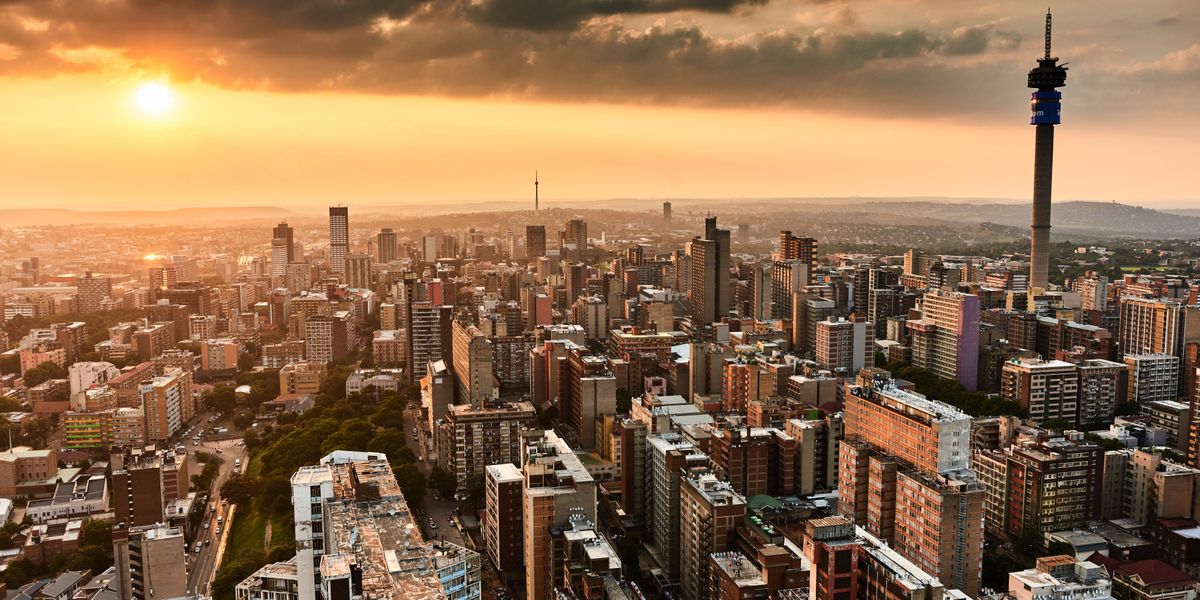
Johannesburg is a city that lives loudly. When traffic lights fail, roads flood, or basic infrastructure starts buckling, residents do not need a formal briefing to know something is wrong. They feel it in the school run, the commute to work, and the daily frustration of trying to live around systems that should be working better.
Now, one official budget figure has pushed that frustration back into the political spotlight.
By 31 December 2025, the City of Johannesburg had spent 26.1% of its approved 2025/26 capital budget. In a city constantly talking about roads, stormwater systems, public infrastructure, and service delivery, that number has quickly become more than just a finance update. It has become part of a much bigger argument about whether Joburg is keeping up with its own needs.
Why this matters beyond the numbers
Capital spending is not the same as the city’s routine day-to-day costs. This is the money meant for long-term investment. It is the budget linked to major projects, infrastructure upgrades, and the kind of visible improvements residents expect in a metro of Johannesburg’s size and importance.
So when spending is low partway through the financial year, it raises difficult questions. Is the city moving too slowly? Are projects delayed? Is planning not translating into delivery on the ground?
In Johannesburg, those questions land hard because people are already living with the consequences of infrastructure strain. Every summer downpour, every burst pipe and every complaint about basic upkeep adds more weight to this debate.
A figure that arrived at the right political moment
The timing of this has given opposition parties a ready-made pressure point.
The Democratic Alliance has used the issue as part of its Believe in Joburg campaign, tying budget performance to the wider frustrations many residents already have about the state of the city. With Helen Zille’s Johannesburg mayoral push adding fresh energy to that message, the spending figure has become a symbol of a broader campaign argument: that Joburg needs a government that can turn plans into visible results.
That is why this debate has travelled beyond municipal documents and into campaign messaging. In Joburg, infrastructure is not an abstract issue. It is deeply personal. It affects safety, mobility, business activity, and the basic dignity of everyday life.
The mood in the city is easy to read
Johannesburg has always had a complicated relationship with hope. People complain about the city endlessly, but they also fight for it, defend it, and believe it can still work better than it does now.
That is what gives this story its sting.
For many residents, the budget figure does not feel like a technical update. It feels like confirmation of something they have been sensing for years: that the city often struggles to match ambition with delivery. In a place that carries so much of South Africa’s economic energy, that gap becomes harder to ignore.
What can be said clearly
What is clear is that official figures show low capital spending by the end of December 2025 relative to the full approved budget for the year.
What is not clear, and should not be stated as fact without proof, is that unspent money was stolen. That is a different claim entirely. Slow spending can point to weak implementation, delayed procurement, project bottlenecks, or broader governance problems. Those are serious issues on their own, and they are enough to drive public concern without overstating the evidence.
Why voters will care
Budget debates rarely become street-level conversations unless people can connect them to daily life. In Johannesburg, that connection is easy.
When infrastructure feels fragile, any sign of weak delivery quickly becomes political. That is why this number matters. It is not only about accounting. It is about trust. It is about whether residents believe the city is capable of building, fixing, and maintaining the systems they rely on.
And in an election climate, that may be the real story. Not just how much was budgeted, but whether Johannesburg’s leaders can convince the public that the city is still able to get things done.
Follow Joburg ETC on Facebook, Twitter, TikT
For more News in Johannesburg, visit joburgetc.com
Source: Facebook/Helen Zille
Featured Image: Waldo Swiegers / Bloomberg via Getty Images