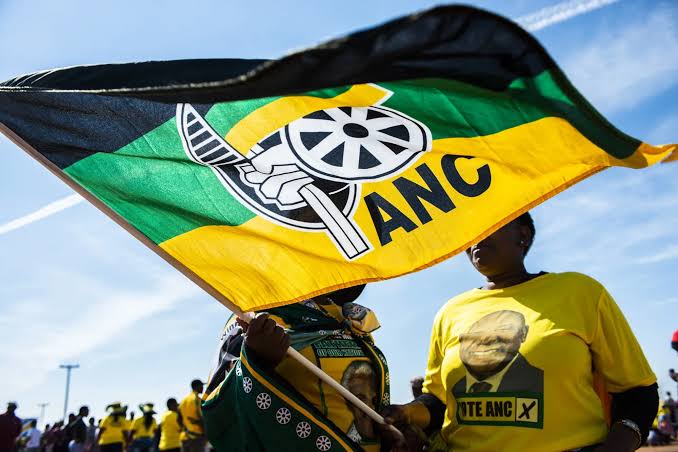
South Africa’s political landscape could be on the brink of a major shake-up, as tensions between the African National Congress (ANC) and the South African Communist Party (SACP) continue to escalate ahead of the 2026 local government elections.
What was once one of the country’s most enduring political partnerships is now facing its toughest test yet.
A Line In The Sand From The ANC
The ANC’s National Executive Committee has taken a firm stance against the SACP’s decision to contest elections independently.
At the heart of the matter is a clear warning. Any ANC member who campaigns for or votes for the SACP risks losing their membership. The party is leaning on its constitution, which prohibits members from supporting opposition parties.
In practical terms, that puts thousands of dual members in a difficult position. For decades, it has not been unusual for activists to wear both ANC and SACP hats. Now, they may be forced to choose.
Cracks In The Alliance Are Nothing New
The tension did not appear overnight. The ANC, SACP and COSATU have worked together since the days of the anti-apartheid struggle, forming what is known as the Tripartite Alliance.
Their shared history includes the adoption of the Freedom Charter in 1955 and a long-standing commitment to the National Democratic Revolution.
But in recent years, the relationship has grown increasingly strained. The SACP’s decision in December 2024 to contest elections independently marked a turning point. It came shortly after the ANC lost its parliamentary majority and entered a Government of National Unity alongside parties like the Democratic Alliance.
For many within the SACP, that move crossed an ideological line.
Internal Pushback Within The ANC
Not everyone inside the ANC agrees with the hardline approach.
Senior figures including Andile Lungisa, Lindiwe Sisulu and Mzwandile Masina have reportedly called for continued engagement with the SACP instead of confrontation. Their view reflects a broader concern that cutting ties too aggressively could fracture the broader support base of the liberation movement.
There are also voices within the party arguing that the SACP remains an independent organisation and should be treated as such, rather than being pushed out.
Why The SACP Is Going Solo
Political analysts say the SACP’s decision is rooted in long-standing frustration.
Professor Sipho Seepe believes the party feels sidelined, often called upon to mobilise support during elections but excluded when it comes to shaping policy. According to this view, contesting elections independently is less about rebellion and more about reclaiming political relevance.
Governance expert Sandile Swana goes further, linking the move to deeper socio-economic issues. With millions of South Africans facing unemployment and poverty, he argues that the working class has been left behind, and the SACP sees an opportunity to reposition itself as its true representative.
What This Means For 2026
As things stand, both parties are preparing to campaign separately.
That could fundamentally reshape local government elections in 2026, particularly in working-class communities where the SACP has historically drawn support through its alliance with the ANC.
The bigger question is whether this marks a temporary fallout or the beginning of a permanent political realignment.
For many South Africans, especially those who grew up with the ANC-led alliance as a unified force, this moment feels like the end of an era.
And as campaigning season approaches, one thing is clear. The battle for voters will no longer be confined to opposition parties. It may now play out within the very alliance that once defined South Africa’s political identity.