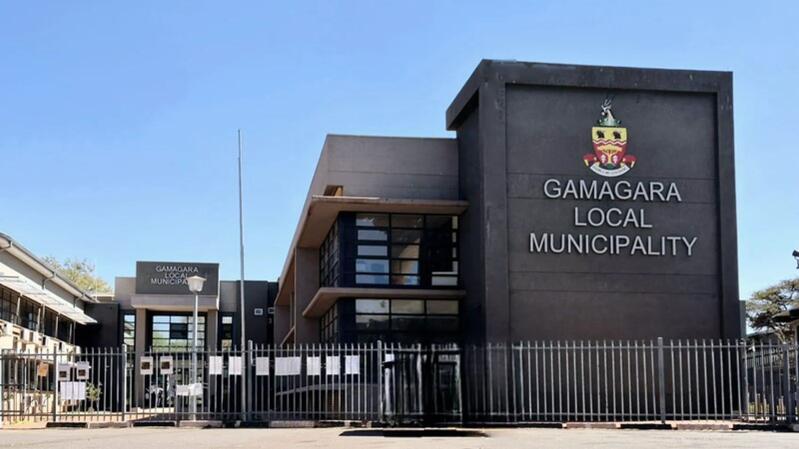
In a country where big cities usually dominate the wealth conversation, a small, dusty municipality in the Northern Cape is quietly rewriting the narrative.
Far from the skyscrapers of Johannesburg or the coastal buzz of Cape Town, Gamagara Local Municipality has emerged as the unlikely leader when it comes to average earnings in South Africa.
And the numbers are hard to ignore.
The Small Town With Big Paychecks
According to the latest data from South African Revenue Service, residents in Gamagara earn an average taxable income of just over R508,000 a year. That works out to roughly R42,000 per month.
To put that into perspective, this places the municipality ahead of economic heavyweights like Johannesburg, Cape Town, and even Stellenbosch.
For a relatively small and remote area, it is a striking contrast that challenges the idea that wealth is concentrated only in major metros.
Why Gamagara Is Punching Above Its Weight
The answer lies beneath the surface, quite literally.
Gamagara is home to Kathu, widely known as the iron ore capital of the Northern Cape. At the heart of it all is the massive Sishen Mine, operated by Kumba Iron Ore.
This mine is more than just a local employer. It is the economic engine of the entire region.
Highly skilled professionals, engineers, and technical specialists are drawn to the area for work opportunities that offer significantly higher salaries than many other sectors. With a relatively small population, these high-paying jobs have an outsized impact on the municipality’s average income.
Simply put, fewer people earning more money pushes the average up fast.
A Landscape Shaped By Mining And Nature
Stretching across a semi-desert region between Upington and Vryburg, Gamagara covers a vast area dotted with small towns and mining communities.
Alongside Kathu, places like Shesheng, Dibeng, Dingleton, and Olifantshoek make up the municipality. The latter is often described as a quieter escape at the foot of the Langeberg mountains, offering a slower pace of life compared to the mining hub.
Kathu itself has a unique identity. Often called the “town under the trees,” it sits within a rare camel thorn forest, giving it a distinctive look despite its rugged surroundings.
It is this blend of industry and isolation that defines life in the area.
What The Data Says About South Africa’s Economy
The figures come from SARS’ 2025 tax statistics, which provide a detailed look at how income is distributed across the country.
One key takeaway is just how concentrated South Africa’s tax base remains. A relatively small group of taxpayers contributes a large portion of total tax revenue, both from individuals and companies.
At a provincial level, Gauteng still leads with the highest average taxable income at around R414,000 per year, followed by the Western Cape at roughly R348,000.
However, smaller provinces like North West, Limpopo, and Mpumalanga are also climbing the ranks, largely due to mining activity paired with lower population sizes.
The Bigger Picture Behind The Numbers
Beyond highlighting wealthy pockets like Gamagara, the latest data also reflects broader economic shifts.
In the 2024 to 2025 financial year, growth in personal income tax collections was driven by wage increases in sectors such as finance, real estate, and business services. Additional revenue came from withdrawals linked to South Africa’s two-pot retirement system, which performed better than expected.
SARS also reported a major boost in its compliance programme, collecting R304 billion in additional revenue. That marks a significant jump from the previous year and underscores the importance of enforcement in maintaining the country’s tax base.
A Different Kind Of Wealth Story
Gamagara’s rise to the top of South Africa’s income rankings tells a very specific story.
It is not about big cities or diversified economies. Instead, it is about a single industry, mining, creating concentrated wealth in a small community.
While the rest of the country grapples with slow growth and rising living costs, this Northern Cape municipality offers a glimpse into how resource-driven economies can reshape local fortunes.
It may be remote, dry, and far from the usual spotlight, but right now, Gamagara is one of the richest places to live in South Africa, at least on paper.