There is a quiet but relentless trade happening on South Africa’s borders. It involves some of the country’s most sought-after vehicles, from double cab bakkies to luxury SUVs, disappearing locally and resurfacing far beyond our borders.
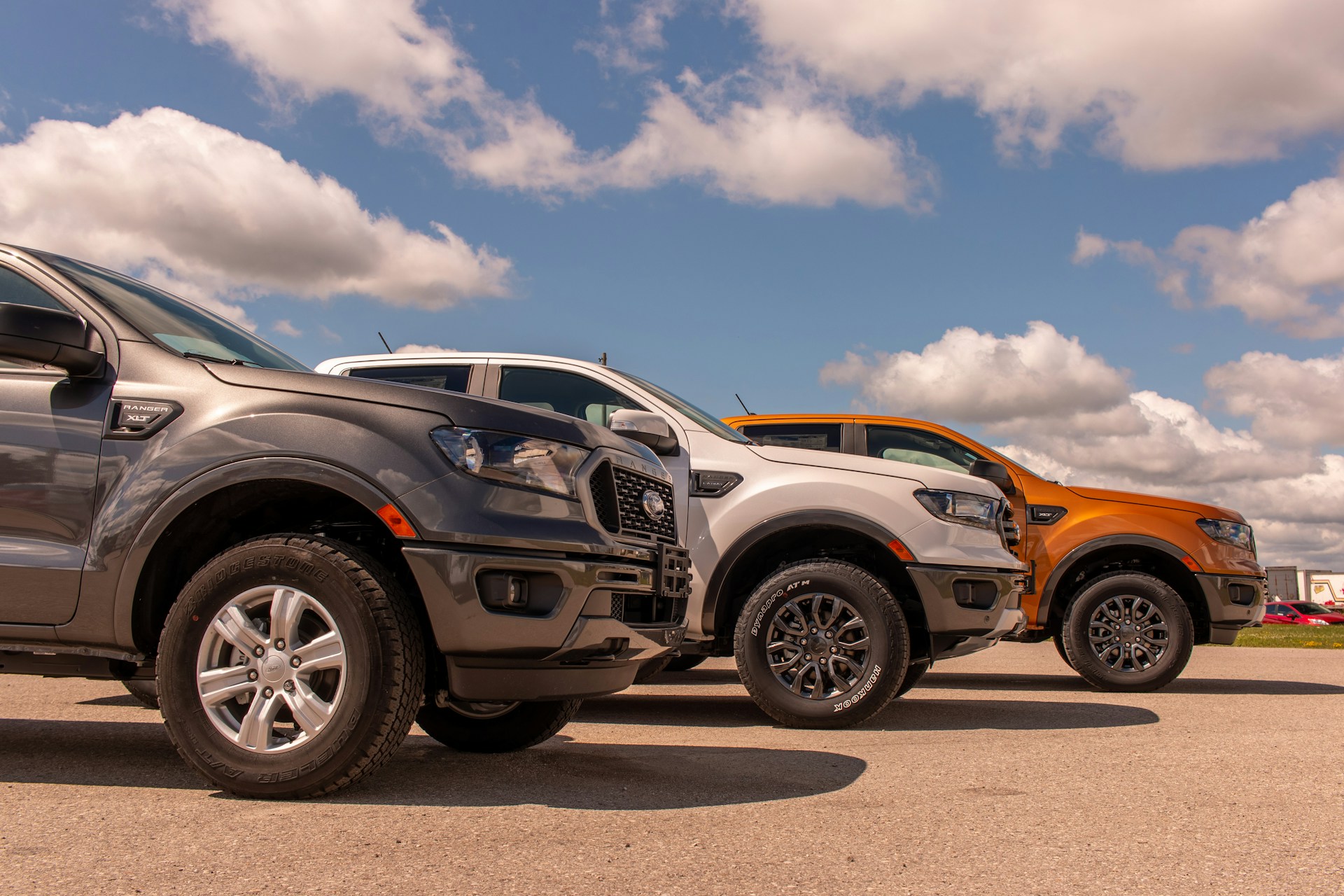
Recent recoveries near the Mozambique border paint a clear picture of how this system works. Soldiers from the SANDF intercepted three stolen vehicles, including a Toyota Fortuner GD-6, a Ford Ranger and a Mahindra bakkie. The drivers abandoned the vehicles and fled on foot, leaving behind more than just stolen goods. They exposed a much bigger network at play.
The Vehicles Everyone Wants
If you drive a popular 4×4 in South Africa, you are likely already aware of the risks. These are not random thefts. They are targeted.
Authorities recently confirmed that 36 stolen vehicles were recovered through international operations over a six-month period. The list reads like a catalogue of South Africa’s most popular and reliable vehicles.
Toyota dominates, with Fortuners and Hilux bakkies topping the charts. Ford Rangers are close behind, followed by models like the Nissan Navara, Isuzu D-Max and even high-end brands such as Mercedes-Benz and Range Rover.
These vehicles are not just stolen for local use. They are in demand across the region, especially in neighbouring countries where durability and off-road capability matter more than anything else.
A Cross-Border Business
Experts say vehicle theft in Southern Africa has evolved into a highly organised, cross-border operation. Up to 30 percent of vehicles stolen in South Africa are believed to be destined for international markets.
The main exit routes are through Zimbabwe and Mozambique, where porous borders and long rural stretches make enforcement difficult.
This is not opportunistic crime. Syndicates often place specific orders for certain vehicles. If there is demand for a particular model or year, that becomes the target. Theft then becomes a supply chain response to demand, rather than a random act.
It is a system that mirrors legitimate business, except it operates entirely outside the law.
Not Just Exported, Also Recycled
Not every stolen vehicle leaves the country. There is also a thriving internal market.
Some vehicles are stripped for parts and sold through illegal channels. Others are cloned. This involves copying the identity of a legitimate vehicle, including registration and engine numbers, to create a duplicate.
The Nissan Almera has become a common target for this practice due to its reliability and widespread use. In some cases, two identical vehicles can exist on the system, both appearing legitimate on paper.
For unsuspecting buyers, this creates a serious risk. A legally purchased vehicle could have a twin operating elsewhere under the same identity.
Why Bakkies And SUVs Are Targeted
There is a reason models like the Toyota Hilux and Ford Ranger keep appearing in theft statistics. They are durable, easy to maintain and perform well in tough terrain.
Across the region, these qualities make them ideal for both personal use and commercial purposes. That demand fuels the theft.
Luxury vehicles are also part of the mix, although they tend to move through more specialised networks.
Breaking The Chain
Law enforcement has made progress in recent months. Joint operations involving the police, Border Management Authority and the military have led to more recoveries and arrests.
But experts argue that stopping drivers at the border is not enough.
The real targets should be the organisers behind the scenes. The so-called kingpins who coordinate orders, manage logistics and control the networks.
Intelligence Is The Missing Piece
Disrupting these syndicates comes down to intelligence.
Tracking stolen vehicles using technology, analysing data from tollgates and city surveillance systems, and connecting the dots between cases could significantly improve outcomes.
The goal is to move beyond reacting to theft and start dismantling the networks responsible for it.
Until then, South Africa’s most popular vehicles will remain high-value targets, not just on our roads, but across the region.