News
Ramaphosa Buys Time as Impeachment Clock Winds On
How the Phala Phala matter resurfaced
The dispute dates back to an incident in February 2020. In December 2022 the National Assembly voted against accepting the Section 89 panel report led by former Chief Justice Sandile Ngcobo, a move that at the time appeared to close the matter. That parliamentary vote was overturned by the Constitutional Court on May 8, 2026, which found that the National Assembly erred when it rejected the panel’s report.
Legal vindication and unresolved questions
The Court’s decision effectively criticised parliament’s handling of the report and concluded that parliamentary Rule 129(i) was unconstitutional. The ruling also had the effect of vindicating former Public Protector Busisiwe Mkhwebane’s earlier determination to probe the Phala Phala matter, an inquiry that preceded her removal from office.
The scope of the Court’s ruling
The Constitutional Court did not pronounce on President Ramaphosa’s innocence or guilt. The Court noted that the applicants the Economic Freedom Fighters and the African Transformation Movement had asked the Court to rule on parliament’s process, not on the substantive findings about the president. The Court said the report remains subject to review “unless and until the report is set aside on review”.
Ramaphosa’s response: legal strategy, moral debate
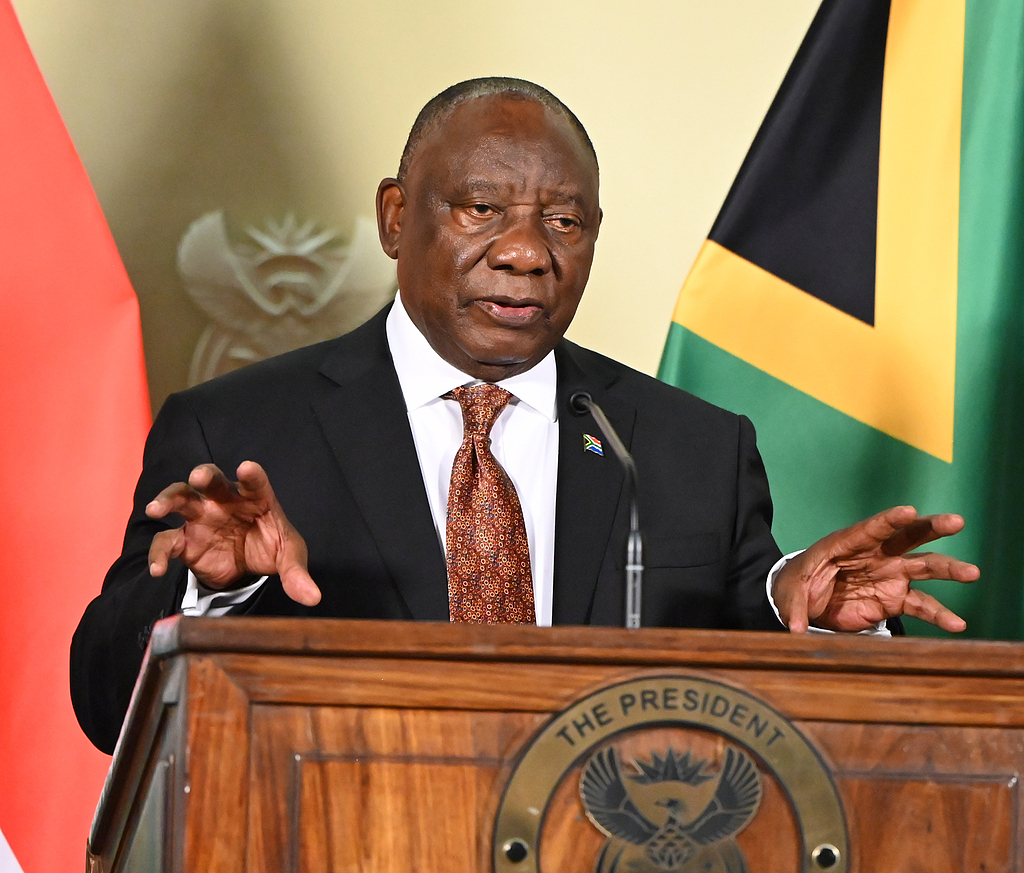
In his address the president said,
“I therefore respectfully want to make it clear that I will not resign.”
He defended himself as having consistently said he did nothing wrong, insisted he had not violated the Constitution and framed the Constitutional Court’s finding as a rebuke to parliament rather than a judgement on him.
He also said he would resume a legal challenge to the Ngcobo-led report, describing it as having “grave flaws”. While the decision to return to the courts may be legally sound, the tone of his remarks prompted debate over whether his aim is to establish legal innocence or to avoid answering questions in parliament.
Political and moral questions linger
The president argued that resigning now would hand victory to those who seek to reverse institutional renewal and the prosecution of corruption. Critics say the argument risks portraying him as indispensable to national reform. Questions were also raised about whether the Phala Phala saga was handled in the national interest and whether leaving office would derail anti-corruption efforts points Ramaphosa addressed directly in his pledge to “remain in your service” and act in the country’s interests.
What happens next
With the Constitutional Court having set aside parliament’s earlier vote on procedural grounds, the matter returns to the political arena. Parliament must now confront the report again, and an impeachment committee is expected to consider the substance of the Ngcobo panel’s findings. The question of Ramaphosa’s culpability will be determined through that parliamentary process and any pending judicial reviews.
The Phala Phala saga has therefore been revived: legally unsettled, politically charged and far from resolved.
Follow Joburg ETC on Facebook, Twitter, TikTok and Instagram
For more News in Johannesburg, visit joburgetc.com
Source: iol.co.za